

Charles Schwab mistakenly transferred over $1.2 million to the account of a woman who then kept the money. Did she have a moral obligation to return it? An expert says the answer is not that simple.
Articles on Medical care
Displaying 21 - 40 of 42 articles

Few trans kids in the early 20th century had access to information about trans life. That they still faced down the judgment of parents and doctors is a testament to the truth of their dysphoria.

Hospitals have a lot of room to reduce, reuse and recycle supplies – as many were forced to discover during the pandemic.

When a celebrity, politician or other influential person checks in, a health care team can feel pressured to give in to a VIP’s wishes.
COVID-19 has shown the flaws of a reactive health-care system designed to care for people who are already sick. A preventive approach would be more equitable, less expensive and keep us healthier.
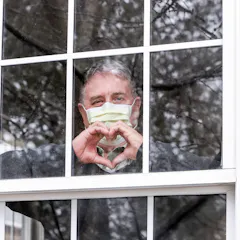
Many people who shielding during the coronavirus pandemic will need help to step forward and reclaim life.
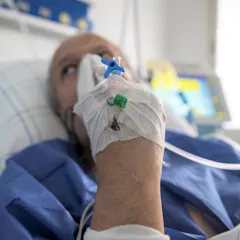
COVID-19 patients are spending weeks in intensive care units, isolated and alone, knowing they have a disease that doctors don’t fully understand. It’s a recipe for post-traumatic stress disorder.
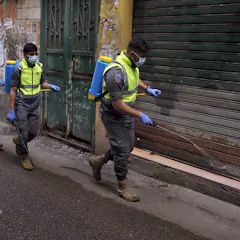
Criminal gangs, insurgents and terrorist groups seek to protect the people in the areas they govern, when a central government’s power is weak or nonexistent.

The debate over Mr. Vincent Lambert’s decision to discontinue his care overshadowed equally important judicial and ethical issues. A look back at a complex situation that will set a precedent.

New research shows women receive sub-optimal care after they have a heart attack and are twice as likely than men to die six months after the attack.

The strengths of blockchain technologies could help address the weaknesses of health care systems to store and secure medical records.

Creative appointment scheduling minimizes in-office waiting for physicians and patients.

Parents need support from early childhood educators to build capacity to claim for NDIS services.
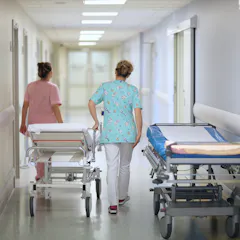
Nurses and midwives are among society’s most highly valued professionals. But a disturbing national picture is emerging of escalating levels of over-work and burnout.
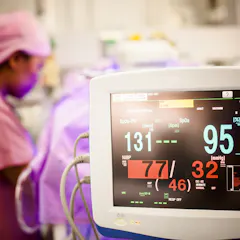
Rudeness causes medical teams to perform worse, and ultimately this could have huge costs for patients.

The health service has a long history both of abuse and the failure to do anything about it.

The first minutes of a medical emergency can be crucial for a patient’s chances of recovery, but what if that emergency happens in a rural setting, far away from help? Scottish ambulance crews respond…
Patients are less likely to look around for the best price when seeking medical treatment, a study has found. Instead people…
Data released today by the National Health Performance Authority (NHPA) shows just 54% of major metropolitan hospitals and 63% of major regional hospitals are treating or admitting patients within the…
Researchers who analysed more than 5,000 complaints resolved by the medical board have found that international medical graduates…
Top contributors
-

Professor of Operations Management, Brock University
-
Doctoral Student, University of Florida
-
Lecturer in Human Resource Management and Management, RMIT University
-
Chair in Computing Science, University of Aberdeen
-
Professor of Operations Research, Brock University
-
Research Fellow, University of Aberdeen
-
Research Fellow, University of Aberdeen
-
Associate Professor of Operations Management, Brock University
-
Anaesthetist and researcher, SA Health
-
Policy Head, Research Assets, Sax Institute; Co-Director, Australian Primary Health Care Research Institute, Australian National University
-
Honorary Fellow, Early Childhood Education., Charles Darwin University
-
Associate Professor, Queensland University of Technology
-
Head of Coronary Care, Concord Hospital, Sydney and Professor of Cardiology, University of Sydney
-
Director of Centre for Rural Health, University of Aberdeen
-
Professor of Law, Villanova University