

You may not know anyone with an infectious disease covered by the immunizations on the 2017 list of recommended vaccines. Here’s why that doesn’t matter, and why children still need to be protected.
Articles on Measles
Displaying 141 - 160 of 170 articles
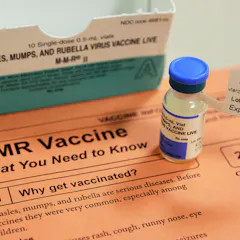
Running an effective mass immunisation campaign, vaccinating children in Nigeria against measles is a logistical nightmare.

We can’t keep blaming the MMR-autism scare – there are other forces at play.
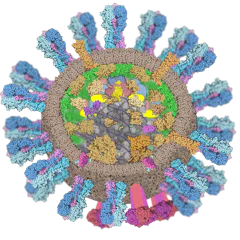
Understanding how the flu virus copies itself could open a way to killing it.
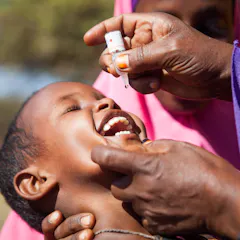
Every year hundreds of thousands of children die from vaccine-preventable diseases. Africa leaders could change this if they improved vaccination efforts.

Overall rates of vaccine objection have remained largely unchanged since 2001.
Despite Nigeria’s success in eradicating polio, it is struggling to get a grip on mother and child vaccinations.
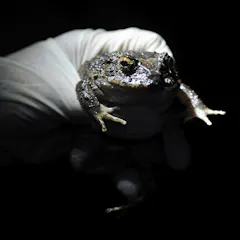
As much as animals may pass on viruses to humans, humans pass on viruses which are sometimes lethal to the animal world as well.
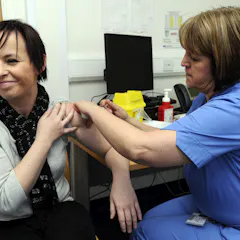
In light of the newly ignited political debate about vaccines, here in one article are some of the highlights of our vaccines coverage.
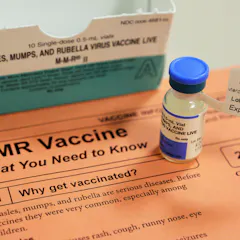
The anti-vaccination movement is not the cause of falling vaccination rates. It is a symptom of the public’s growing distrust in the government and the medical profession.

Viruses cause all kinds of infections from relatively mild cases of the flu to deadly outbreaks of Ebola. Clearly, not all viruses are equal and one of these differences is when you can infect others.
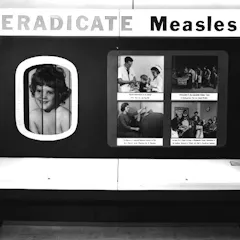
When the measles vaccine was introduced, it was associated with reductions in more childhood disease deaths than were actually caused by the measles. How does that work?
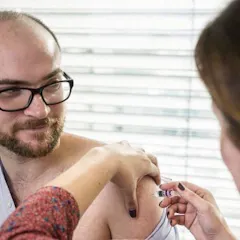
Tucked away in the budget papers is an intitiative worthy of applause – the establishment of an adult immunisation register and the expansion of the childhood register to include adolescents.

Australia is unique in using parental financial incentives for immunisation.
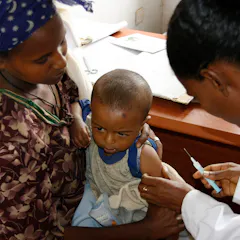
Immunisation programmes have taken a back seat because of Ebola and it leaves countries vulnerable to other outbreaks.
Immunisation in Australia isn’t compulsory – and doesn’t need to be controversial. Most Australians recognise the incredible benefits that vaccination provides to prevent serious disease.
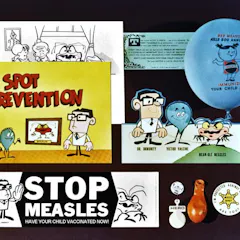
Before the vaccine, we thought measles was a ‘mild’ illness. This is because vaccines drive down the number of people getting the disease while increasing our awareness of the risks.

As of January 30, 102 people in 14 states were reported to have measles, and most of these cases are tied to the outbreak that began at Disneyland in December. Public health officials are citing an increase…
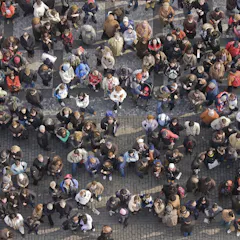
The measles outbreak traced back to Disneyland has spread to eight states, with as many as 95 cases reported by January 28. Media outlets are highlighting the rise of anti-vaccination sentiments. Scientists…
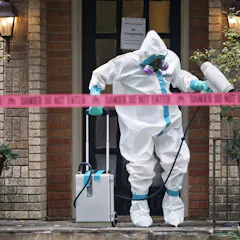
News that a doctor in New York City tested positive for Ebola sparked mandatory quarantine orders for heath workers returning from West Africa in New York and New Jersey last week. The outbreak has killed…
Top contributors
-

Professor, Discipline of Paediatrics and Child Health, University of Sydney
-
Associate Professor of Biology, Penn State
-
Professor of Neurology, Medicine (Infectious Diseases), and Epidemiology, University of Colorado Anschutz
-
Professor of Health Studies, University of Richmond
-
Endowed Professor of Health Policy and Associate Dean, George Washington University
-
Research Officer / EIDM Specialist, University of Cape Town
-
Senior research fellow, The Peter Doherty Institute for Infection and Immunity
-
Professor of Infectious Diseases, Monash University
-
Associate Professor, Computing & Information Systems; Director, Melbourne Data Analytics Platform, The University of Melbourne
-
Associate Professor, University of Oxford
-
Assistant Professor of Philosophy & Disability Studies, Georgetown University
-
Clinical Associate Professor of Infectious Diseases, Stanford University
-
Senior Research Officer & Co-Director, Vaccines For Africa Initiative, Faculty of Health Sciences, University of Cape Town
-
Professor, The Children's Hospital at Westmead Clinical School and Sydney Infectious Diseases Institute, University of Sydney
-
Professor of Global Health, Danish Institute for Advanced Study, University of Southern Denmark