
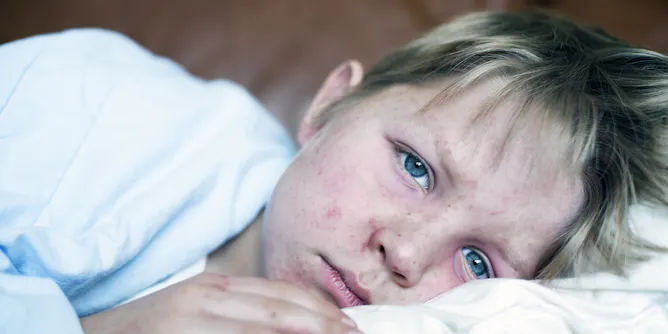
A pediatrician and preventive medicine physician explains how measles vaccines became victims of their own success and the risk that rising outbreaks pose to everyone.
Articles on Measles
Displaying 61 - 80 of 170 articles

On the fourth anniversary of New Zealand’s first COVID case it’s clear this is not a normal pandemic. Despite fatigue and indifference, New Zealand must heed the evidence and improve its response.
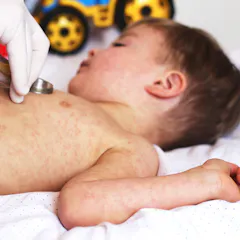
Though the outbreaks overseas are bigger, a number of cases have also been detected in Australia so far this year.

Herd immunity to measles is waning due to vaccine hesitancy over MMR. Adult MMR is one way to help get it back up again.
Seven children at a nursery in Stoke-on-Trent have caught measles. But other parts of the UK are at risk too.
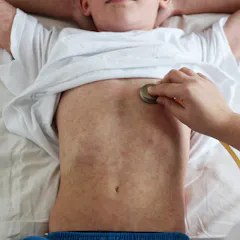
Projections from the UKHSA suggest London could see a measles outbreak totalling 40,000 to 160,000 cases at current vaccination levels.

Over the last two years, routine immunisation services and coverage of essential childhood vaccines have been disrupted.

This whirlwind tour of social history describes how infectious diseases have shaped humanity at every stage. It suggests reducing inequality will give us our best chance of surviving future plagues.
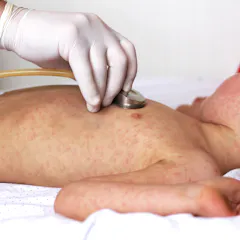
Measles is an extremely contagious disease but, thanks to immunisation, is now rare in Australia.
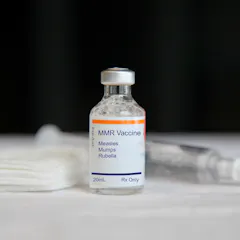
Many children have missed a measles vaccine dose since the start of the COVID pandemic.
The pandemic has disrupted national immunisation programmes. As a result, the African continent is seeing more outbreaks of vaccine preventable diseases.

Authorities have been warned about five virus families that could cause future pandemics. Here are snapshots of the diseases each can cause and why we should be worried.
The risk of serious disease outbreaks among NZ children is now very real. Some childhood immunisation rates have dropped from about 80% in early 2020 to 67% by June 2022, and as low as 45% for Māori.
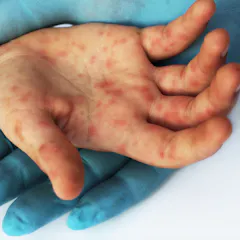
The latest report from the WHO and Unicef found cases have increased nearly 80% worldwide.

Public health experts know that schools are likely sites for the spread of disease, and laws tying school attendance to vaccination go back to the 1800s.
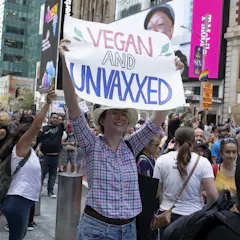
A growing body of research shows that nutrition, sleep, exercise and a host of other lifestyle choices can help optimize the immune system. But they are no substitute for life-saving vaccines.

A critical care doctor brings a frontlines perspective to the frustration of dealing firsthand with vaccine hesitancy and discusses the limitations of science and medicine.
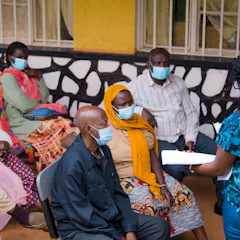
In Africa, it’s more rational to prioritise vaccine access, rapid rollout and community engagement, than pushing the narrative of vaccine-induced population immunity.

America’s founders accepted the reality of human selfishness. But, they also said people were capable of thinking for the good of the whole, which is necessary for a free society.
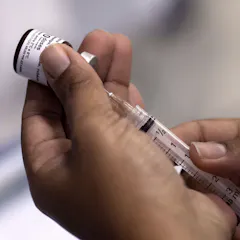
The effects of Ontario’s compulsory school immunization show there are advantages and disadvantages of requiring vaccination.
Top contributors
-

Professor, Discipline of Paediatrics and Child Health, University of Sydney
-
Associate Professor of Biology, Penn State
-
Professor of Neurology, Medicine (Infectious Diseases), and Epidemiology, University of Colorado Anschutz
-
Professor of Health Studies, University of Richmond
-
Endowed Professor of Health Policy and Associate Dean, George Washington University
-
Research Officer / EIDM Specialist, University of Cape Town
-
Senior research fellow, The Peter Doherty Institute for Infection and Immunity
-
Professor of Infectious Diseases, Monash University
-
Associate Professor, Computing & Information Systems; Director, Melbourne Data Analytics Platform, The University of Melbourne
-
Associate Professor, University of Oxford
-
Assistant Professor of Philosophy & Disability Studies, Georgetown University
-
Clinical Associate Professor of Infectious Diseases, Stanford University
-
Senior Research Officer & Co-Director, Vaccines For Africa Initiative, Faculty of Health Sciences, University of Cape Town
-
Professor, The Children's Hospital at Westmead Clinical School and Sydney Infectious Diseases Institute, University of Sydney
-
Professor of Global Health, Danish Institute for Advanced Study, University of Southern Denmark