

Half of all GP practices in New Zealand have closed their books to new patients. This means people are going on emergency departments for care – with deadly outcomes when it comes to lung cancer.
Articles on Maori
Displaying 21 - 40 of 98 articles

A new mathematical model shows the numbers able to speak te reo Māori will likely keep growing – as long as the right government policies and public support are maintained.
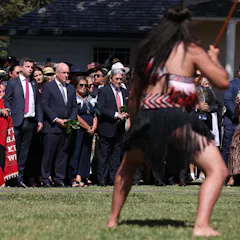
With debate raging around the Treaty Principles Bill. It’s important to recognise a dispute between Māori and the Crown is not the same as a breakdown in relations between Māori and Pākehā in general.

While telehealth doctor appointments can increase the accessibility of health care, online medicine misses a key element to improve health outcomes in rural communities: continuity of care.

Civil law can help communities who feel their traditional knowledge and cultural expressions have been misappropriated. Here’s how.
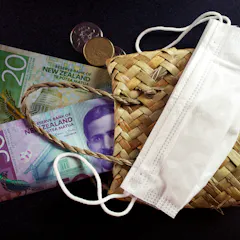
David Seymour’s expectation that drug-buying policy be based on need rather than ethnicity misses the point: the Treaty of Waitangi is already about equality, and can help guide good decisions.

The latest census figures are released this week, but the long-term trends are already clear: we will soon be more Māori and more Asian, fertility rates are dropping, and more citizens are leaving.
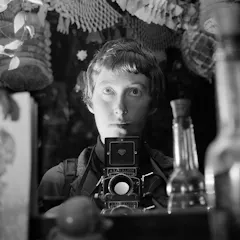
The author of a new biography of renowned New Zealand photographer Ans Westra explains how she and her art were in many ways inseparable.
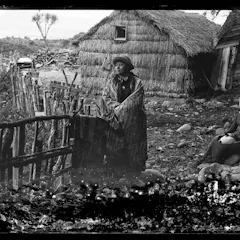
A major new exhibition and book showcase Aotearoa New Zealand’s earliest photography, and how the new technology was integral to the colonial project.
A major new report identifies how a ‘trauma-informed’ justice system would acknowledge and act on the deprivation and mental health problems experienced by so many offenders.

The indigenous languages of Taiwan are struggling in the face of Chinese dominance. The answer to language revitalisation could lie in grassroots efforts rather than government legislation.

There is no express right to health in New Zealand law. But international agreements protecting Indigenous rights to health and wellbeing set the standard New Zealand should follow.

If Māori did not explicitly cede sovereignty in 1840, neither did they fully retain it. If sovereignty is already being shared, where does Te Tiriti o Waitangi sit within our unwritten constitution?
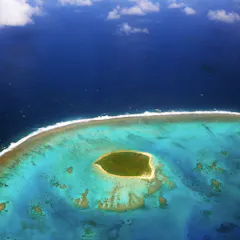
The author of a major new essay collection reflects on the shifting cultural and political realities in the Pacific, and why it remains an ‘unequal ocean’.

More than half of Māori identified as having ‘no religion’ in the latest census. Our new research examines what could be behind the sharp rise in Māori atheism.
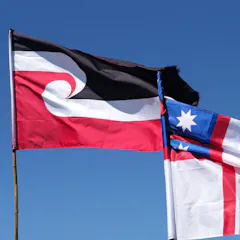
The ACT Party claims revisiting the principles of the Treaty of Waitangi is about political equality. But removing a Māori cultural dimension to New Zealand’s democracy would have an opposite effect.

Allowing whānau to be more engaged in the coronial investigation into a suicide would help provide answers for family – and help mental health services improve preventative measures.

We use space to understand the passage of time, but don’t assume everyone thinks of the future as in front and the past as behind.

A new generation of Māori politicians is rising. Young and self-assured, they are the children of a movement that began 40 years ago.

This winter’s bumper snowfall notwithstanding, the future of Ruapehu’s famous ski fields is highly uncertain. But the mountain itself will remain important in other ways.
Top contributors
-

Adjunct Professor, Stout Research Centre, Victoria University of Wellington and Auckland University of Technology, Professor of Political Science, Charles Sturt University
-
Professor of Law, University of Waikato
-
Professor of History, University of Otago
-
Senior Lecturer in Māori Language Revitalisation, Auckland University of Technology
-
Associate Professor in Law, Auckland University of Technology
-
Associate Professor, School of Health Sciences, University of Canterbury
-
Senior Researcher in Maori Studies, Te Kunenga ki Pūrehuroa – Massey University
-
Senior Lecturer and Programme Director - Comparative Tribal Constitutionalism Research Programme, The University of Melbourne
-
Professor of Race Relations, Health and Wellbeing, Te Kunenga ki Pūrehuroa – Massey University
-
Professor of Law, University of Waikato
-
Professor of Politics and Policy, University of Auckland, Waipapa Taumata Rau
-
Professor of Political Science, Te Herenga Waka — Victoria University of Wellington
-
Lecturer in Social Sciences, University of Auckland, Waipapa Taumata Rau
-
Lecturer in Māori Studies, Te Herenga Waka — Victoria University of Wellington
-
Associate Professor of Politics, Te Herenga Waka — Victoria University of Wellington