
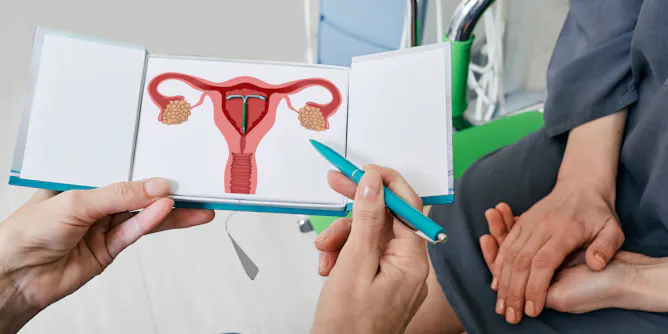
The contraceptive pill is responsible for preventing more cancers than it contributes to. Long-acting contraceptives seem to be as safe when it comes to cancer risk.
Articles on Long acting reversible contraceptive
Displaying all articles

Fewer than one in 100 people who use IUDs and contraceptive implants become pregnant each year, making them the most effective contraceptives. But they can be difficult to access. Here’s why.
More women are using long acting reversible contraceptives. However some worry about pain on insertion.

When does supporting women who use drugs so they can avoid unplanned pregnancies turn into something more coercive?

Women of all walks of life have abortions: married, single, child-free, and mothers. New research shows what’s happening in their life when they do.

Long-acting reversible contraceptives are more reliable than other methods of contraception and most women are happy with them.
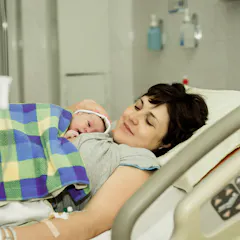
One of the key times women need reliable contraception is soon after they give birth. But they often have a hard time getting long-acting reversible methods, like IUDs and contraceptive implants.

In May, the White House clarified the guidelines for contraceptive coverage, ending cost containment practices that made it hard for some women to access the method of their choice.
Top contributors
-

Professor of Practice, Sydney Medical School, Faculty of Medicine and Health, University of Sydney
-
Adjunct Senior Lecturer, Obstetrics & Gynaecology, Monash University
-
Adjunct Professor, La Trobe University
-
Associate Professor, University of Michigan
-
Angela Taft is a Friend of The Conversation.
Emeritus Professor, Judith Lumley Centre (JLC) of Mother, Infant and Family Health, La Trobe University
-
Fellow, Family Planning, University of Michigan
-
Associate Professor of Family Medicine, University of Michigan
-
Professor of Substance Use and Inclusion Health, University of Stirling
-
Lecturer in Criminology, University of Stirling
-
Postdoctoral Research Fellow, School of Public Health, The University of Queensland
-
Distinguished Scientist, Gynaecological Cancers Group, QIMR Berghofer
-
Professor Speciality of Obstetrics, Gynaecology and Neonatology, University of Sydney
-
Professor of Epidemiology, The University of Queensland
-
Assistant Professor of Obstetrics and Gynecology, University of Michigan