

The countries make an interesting comparison because they both have a strong drinking culture, but their problems look slightly different.
Articles on Liver disease
Displaying 1 - 20 of 27 articles

Liver harm caused by alcohol is a public health problem. Collectively, we need to take better care of our livers by taking steps to reduce alcohol consumption in the population.
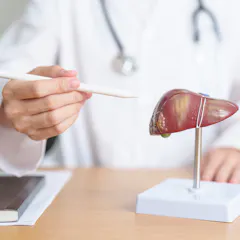
Scientists test new drugs to fight silent liver damage.
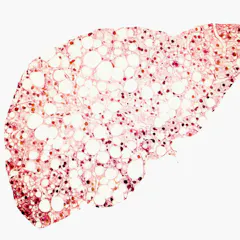
Though a leading cause of liver transplants and an increasing number of young people being diagnosed with the disease, few people have heard of MASLD.

Alcohol is responsible for more deaths than overdoses from opioids and all other substances combined, yet less than 10% of people with alcohol use disorder receive treatment.
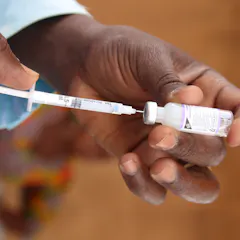
Hepatitis E is a global health problem with about 20 million cases occurring annually, three million symptomatic cases, and 60,000 deaths.

One in six people diagnosed late with alcohol use disorder die on their first admission to hospital.

The liver has remarkable self-healing powers. But it has limits, so don’t abuse it.

Non-alcoholic steatohepatitis affects around 2% of adults worldwide.

Machine learning can spot patterns in patient data and help detect hepatitis B earlier, which could save lives.
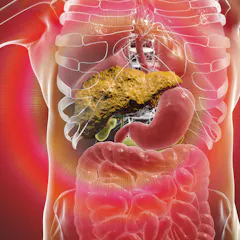
Vinyl chloride dilutes fairly quickly in outside air and water. One concern for lingering exposure from the derailment involves private wells.

Nearly 10,000 people died from alcohol in 2021.

This drug could essentially close the door to the virus, preventing it from getting into our cells.
Liver transplant waitlists can range from 30 days to over five years. Developing treatments that spur liver regeneration could help reduce demand for scarce organs.

The annual number of paracetamol poisoning cases in Australia has increased by 44% over the last decade. To tackle this problem, we need tighter regulation around the way paracetamol is sold.

A new test which capitalises on existing knowledge and technology will increase diagnoses, speed up the process and save the NHS millions of pounds.

Brief exposure to a family of chemicals used as flame retardants early in life can permanently alter fat levels in the blood and liver, raising the risk of liver cancer and heart disease.

In the hierarchy of diseases, those suffering from ‘high prestige’ diseases benefit from strong community and clinical support, while others are left in the dark.

A new analysis shows that coffee is associated with a host of positive health effects.

Hepatitis B rates in Indigenous communities are ten times higher than the rest of Australia. Eliminating the infection from Indigenous Australia can make a significant contribution to closing the gap.
Top contributors
-

Associate Professor of Hepatology, University of Plymouth
-
Director of POCHE Centre for Indigenous Health, The University of Queensland
-
Honorary research fellow, Department of Cardiovascular Sciences, University of Leicester
-
Professor, National Centre for Epidemiology and Population Health, Australian National University
-
Associate Professor, The Peter Doherty Institute for Infection and Immunity
-
Professor of Public Health/Director, Tobacco Control Research Group, University of Bath
-
PhD researcher and Specialist Registrar in Public Health, University of Southampton
-
Professor in Criminology, University of Bristol
-
Head, Metabolic and Vascular Physiology NHMRC, Senior Principal Research Fellow, Baker Heart and Diabetes Institute
-
Postdoctural Research Fellow in Nutritional Biochemistry, Baker Heart and Diabetes Institute
-
Postdoctoral Fellow, EPFL – École Polytechnique Fédérale de Lausanne – Swiss Federal Institute of Technology in Lausanne
-
Professor of General Practice, Adelaide University
-
University of California, San Francisco
-
Director, WHO Collaborating Centre for Viral Hepatitis, The Peter Doherty Institute for Infection and Immunity
-
Infectious Diseases Physician, St Vincent's Hospital, Sydney; Scientia Professor, Kirby Institute, UNSW