
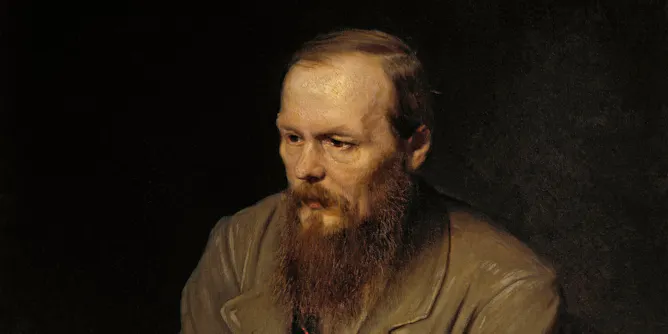
Dostoevsky’s sudden recovery from his gambling mania is an example of how a chance happening can change everything
Articles on Literature
Displaying 261 - 280 of 1002 articles
Bard Hedd Wyn was killed in action in France in 1917.

Research suggests the act of creative writing can have therapeutic benefits.
Swahili readers who have not encountered Abdulrazak Gurnah’s work in other languages are in for a great treat.
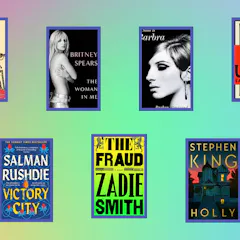
These books had our academics gripped until their final pages.
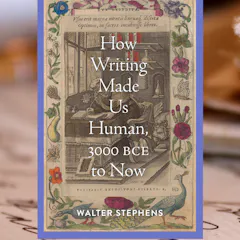
Evidence suggests that writing was probably invented in southern Iraq sometime before 3000BC. But what happened next?
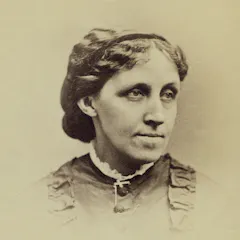
By disguising her name, Alcott could publish in less prestigious venues without worrying about tarnishing her literary reputation.
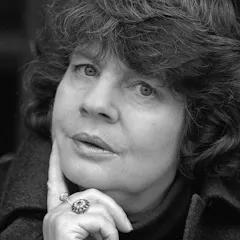
In Byatt’s fiction, northern locations become emblems of the climate crisis and of how human actions have detrimental effects on the whole planet.
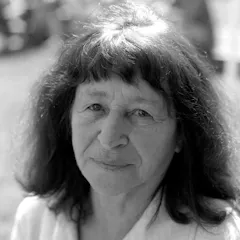
Bernice Rubens won the 1970 Booker prize for her novel, The Elected Member, and is the only Welsh person to have ever won the prize.
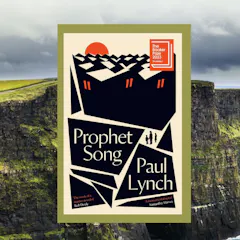
Irish writers have benefited from structural factors in recent years. However, ask them in person and Irish writers are more likely to highlight impediments to producing work.
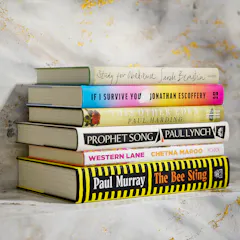
From a longlist of 12, six novels have been shortlisted for the 2023 Booker prize.
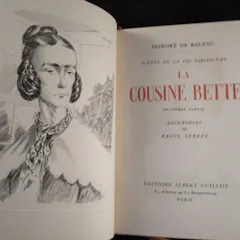
In his collection of stories, “The Human Comedy”, the French 19th-century writer Honoré de Balzac turned the shaming of single women into an art.
Men in the 1700s penned vehement letters about the way women dressed, slut-shaming them as “cork-rumped devils”.
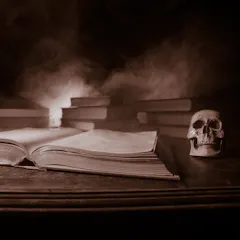
These five works of Welsh gothic literature will not only help you explore Wales through the macabre but are likely to give you a good scare too.
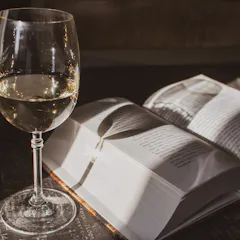
This course beckons students to examine how alcoholic beverages are portrayed in books by American authors.
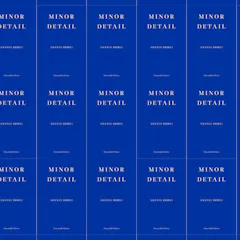
Adania Shibli’s Minor Detail is a sparse but searing novel that shows how the horrors of the past continue to shape Palestinian life today

In The Idealist, the machinations of the Australian government become a sinister backdrop to what seems to be a story of liberation.
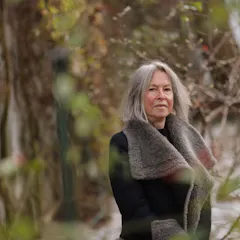
A celebrated poet and Nobel laureate, Louise Glück wrote about mortality, broken families and human frailty with devastating wryness and quiet beauty.

Advanced artificial intelligence is new, but a similar idea has been around for hundreds of years: the power of a just-right sequence of numbers, letters or elements to animate matter.
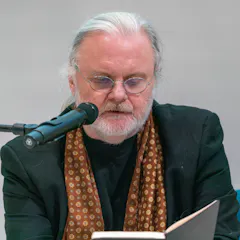
The prize has gone to a Norwegian playwright and novelist whose work examines the lives of ordinary people on the outer reaches of society.
Top contributors
-

Associate Professor in Literary Studies, Monash University
-
Professor in Politics and Journalism, University of Notre Dame Australia
-
Distinguished Professor Emerita of Creative Practice, Faculty of Arts and Design, University of Canberra
-
Associate Professor of Postcolonial and Global Literatures, Nottingham Trent University
-
Professor, Chair of Australian Literature, The University of Western Australia
-
Professor of English, Institute for Humanities and Social Sciences, ACU, Australian Catholic University
-
Associate Professor, Creative Writing and Literary Studies, Victoria University
-
Lecturer, School of Design, University of Technology Sydney
-
Visiting Fellow, Centre for Cultural and Creative Research, University of Canberra, University of Canberra
-
Honorary Fellow of the School of Languages and Linguistics, The University of Melbourne
-
Postdoctoral Fellow, Contemporary English Literature and Critical Theory, University College Dublin
-
Professor, School of Culture and Communication, The University of Melbourne
-
Honorary Associate in Creative Writing, The Open University
-
Lecturer in Contemporary Literature, La Trobe University
-
Professor of English Literature, Anglia Ruskin University