
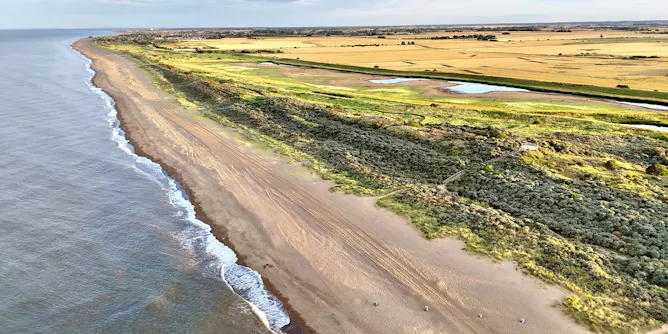
The places most exposed to saltwater flooding, especially the low-lying Fenlands, are also some of the most productive farmland in the UK.
Articles on Landscapes
Displaying 1 - 20 of 32 articles
This exhibition is not about British, or even English landscapes, but about how a broad range of British artists responded to the landscapes they chose to depict.
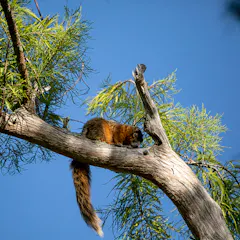
The Big Cypress fox squirrel is losing its habitat to urban and suburban development. But a few design changes could help to save this and other species.
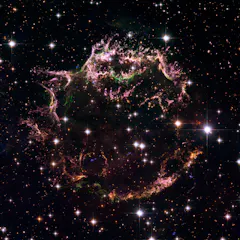
Vaporising crystals with a laser allows us to look deep into Earth’s past.

Photography possesses a certain built-in bluntness that can lend itself to images that are destabilizing and dryly funny.
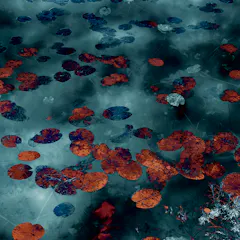
This Scottish exhibition is an ethereal, hypnotic showcase of artists who share a commitment to pursuing a more compassionate way of looking and being in a place.
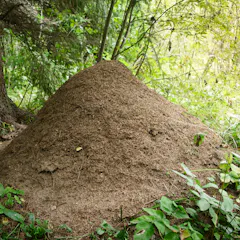
Many animals change landscapes by acting as ‘ecosystem engineers’. Protecting and restoring nature can help us become more climate resilient.

Rewilding is about finding ways to let nature thrive and regenerate. Around the world, cities and community projects are doing just that.
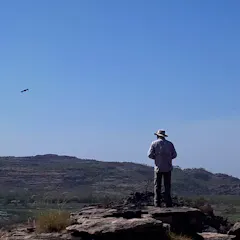
Rock art directly represents how our ancestors saw the world. A new approach involving the history of the landscape brings fresh meaning to Arnhem Land rock art.
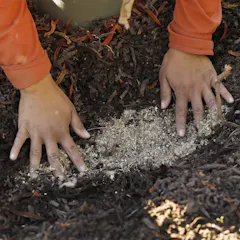
Native plants help damaged landscapes by stabilizing soil, fighting invasive species and sheltering pollinators. Two horticulture experts explain what they’re doing to help develop new seed sources.

Images of the 2011 tsunami did not look as I had expected, and pointed to the sublime, when experience exceeds our frameworks of understanding. My exhibit ‘Salients’ treats this theme.
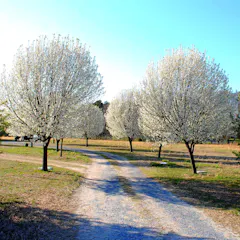
They’re beautiful in bloom, but Callery pear trees crowd out native plants and turn productive open land into woody thickets.
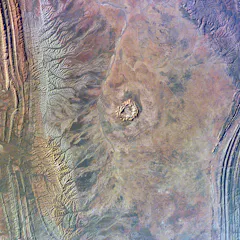
Meteor impacts are an inevitable part of being a rocky planet in space. The craters they leave behind are a window into the tumultuous history of Earth.
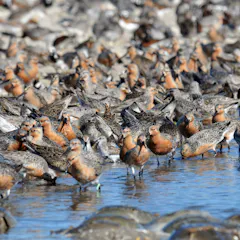
Governments, scientists and conservation groups are working to protect 30% of Earth’s land and water for nature by 2030. Two scientists explain why scale matters for reaching that goal.
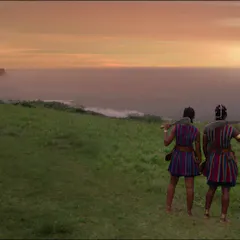
Hollywood undermines Africa’s struggles, creating a false impression of the continent to please western viewers.
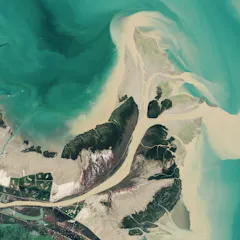
With decades of images and data from the same locations, these satellites can show changes over time, including deforestation, changes in waterways and how loss of trees corresponds to urban heat.
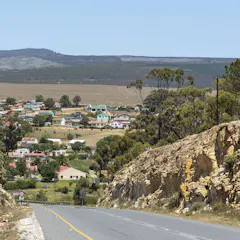
While many people rely on written signage to find their way around, oral language plays a significant role in giving directions in rural areas.
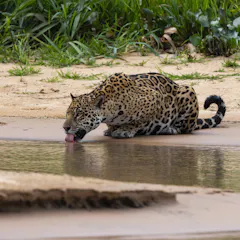
Keeping landscapes connected can help protect wild animals and plants. In the US Southwest, border wall construction is closing off corridors that jaguars and other at-risk species use.

Repeat photography has been used to document vegetation change in Africa since the 1950s; in the last 30 years there’s been an explosion of interest.

When forester Benton MacKaye proposed building an Appalachian Trail 100 years ago, he was really thinking about preserving a larger region as a haven from industrial life.
Top contributors
-

Professor, Landscape Architecture, History, and Evans School of Public Policy and Governance, University of Washington
-
Professor of Landscape Architecture, University of Oregon
-
Lecturer in Cultural History, Lancaster University
-
Honorary Associate, School of Geosciences, University of Sydney
-
Senior Research Associate, Geospatial Innovation in the Digital Humanities, Lancaster University
-
Ph.D. Candidate in Wildlife Conservation and Management, University of Arizona
-
Associate Lecturer, Flinders University
-
PhD Student in Fisheries & Wildlife and Ecology, Evolutionary Biology & Behavior, Michigan State University
-
Professor of Archaeological Science, Flinders University
-
Honorary Associate Professor, Forest Measurement and Management, Fenner School of Environment and Society, Australian National University
-
DSI/NRF SARChI Chair in Visual History & Theory, University of the Western Cape
-
Associate Professor of Visual Studies, Stellenbosch University
-
Postdoctoral Researcher in Mycology, West Virginia University
-
Senior research fellow, Flinders University
-
Professor of Modern British History, King's College London