
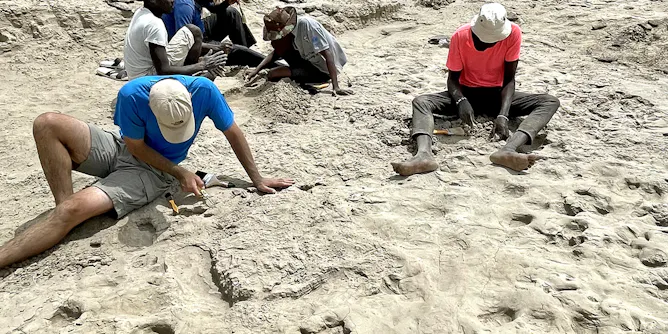
Ancient fossil footprints are the first evidence of two different hominin species − Homo erectus and Paranthropus boisei − living in the same place at the same time.
Articles on Lake Turkana
Displaying all articles
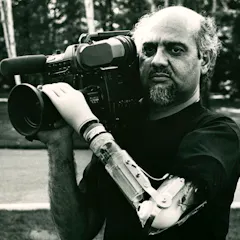
His photos and videos depicting postcolonialism and everyday life in Africa have been overlooked.
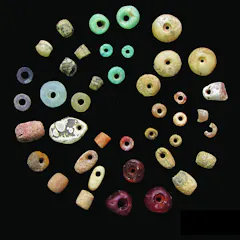
Mineralogical analysis of 5,000-year-old stone beads from Turkana, Kenya suggest a novel mortuary tradition by early pastoralists.
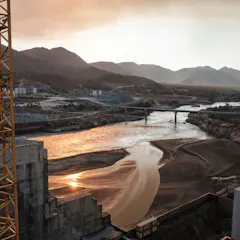
Hundreds of rivers are shared between two or more countries – this could be a source of cooperation or conflict.
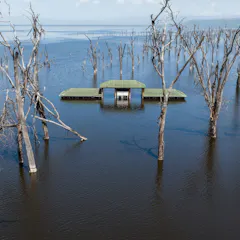
Several reasons have been advanced for rising levels in Kenya’s Rift Valley lakes. New evidence points to the most significant cause: higher rainfall.
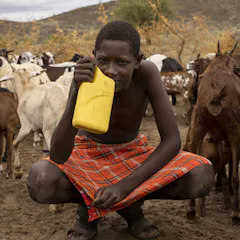
Uncertainty must be embraced and harnessed for the better because stability never lasts long.
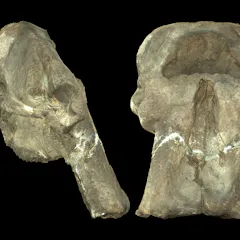
The anatomy of the teeth in the cranium and its bones show that it belongs to an extinct cousin of the living African savanna and forest elephants.
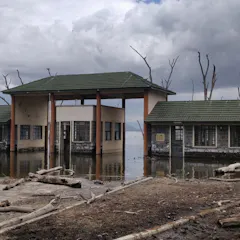
Because the forecast for rainfall in the Rift Valley basin is a rising trend, the lake levels look set to rise even more in the future.

When the Aral Sea dried up, it was called the “world’s worst environmental disaster”. We’re witnessing its equivalent in Africa.
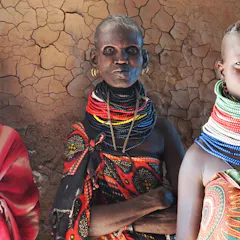
Turkana women weren’t properly represented in decisions made between the oil company and community.
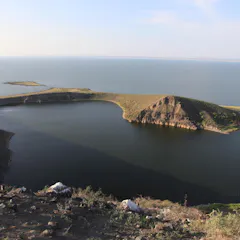
Lake Turkana’s status as a World Heritage Site hasn’t protected it from environmental threats.
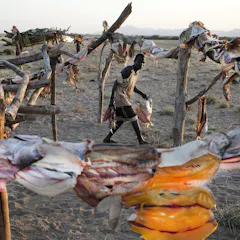
Ethiopia’s GIBE III dam has been labelled the world’s most controversial dam due to environmental and social impacts and the displacement of indigenous people.
Top contributors
-

Consultant in Hydrology and Water Resources, Kenya citizen, Visiting Research Fellow, King's College London
-
Associate Professor, International Relations, United States International University
-
Chingiz Gutseriev Fellow, University of Oxford
-
Lecturer at Journalism and Global Communication, Universidad Complutense de Madrid
-
Junior Research Fellow in Anthropology, University of Oxford
-
Researcher in Environmental Change, Vrije Universiteit Amsterdam
-
Senior Scientist, Institute of Hydrology and Water Management, University of Natural Resources and Life Science (BOKU)
-
Chief Vertebrate Preparator and Associate Research Scientist in the Museum of Paleontology and Department of Anthropology, University of Michigan
-
Research Assistant Professor, Center for Advanced Spatial Technologies, University of Arkansas
-
PhD Candidate in Journalism, Universidad Complutense de Madrid
-
Associate Professor of Biology, Chatham University
-
Chief Research Scientist in Archaeology and Heritage, National Museums of Kenya
-
Senior Research Geologist and Curator of Vertebrate Paleontology, Smithsonian Institution