
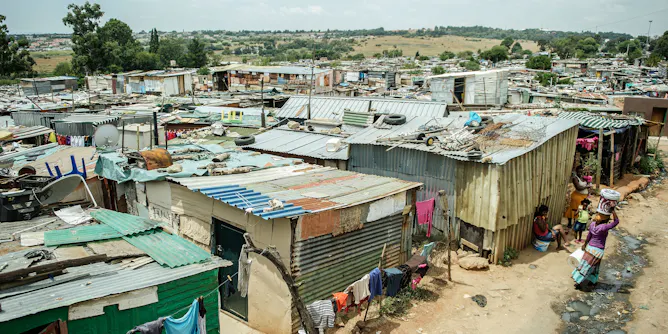
Rejecting precarious work signals dissatisfaction with a labour market where wage employment rarely offers security or social mobility.
Articles on Labour exploitation
Displaying 1 - 20 of 22 articles

Data labellers are the lifeblood of the AI industry. Yet they are often paid very low wages, work in unsafe environments and lack basic workplace protections.
Video game companies often time the release of their most popular titles for the holiday season. Now is the time to reflect on the political economy of video games and which games we buy.
With immigration soaring, warnings about its impact on population distribution, housing and business innovation have gone largely undiscussed during the election campaign.
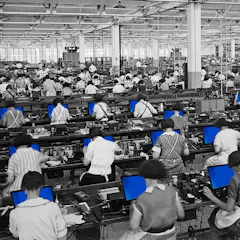
Language model AIs seem smart because of how they string words together, but in reality they can’t do anything without many people guiding them every step of the way.

Most farmworkers were not even aware that the farm they worked on was Fairtrade certified.
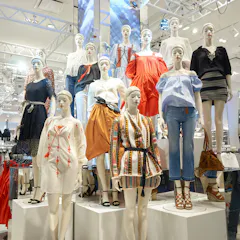
A psychological mechanism called ‘motivated reasoning’ helps us justify the ethical burden away.

Lawmakers and courts in Ghana must strengthen protections for drivers of ride hailing companies
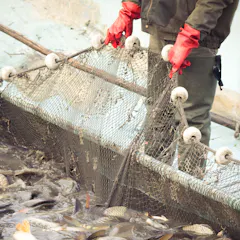
One in six fishers in the Gulf of Thailand have been coerced or deceived into working against their will.

During California’s deadliest wildfire season, 2,000 prison inmates fought the flames on USD$1 a day.
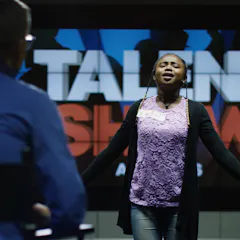
South African actors are lobbying government to demand better working conditions and labour protection.

Associating all bridging visas with ‘scammers’ and ‘illegal migrants’ misses the bigger picture of the role bridging visas play in our changing immigration regime.

Most hand car wash workers are subject to some form of labour exploitation, says new report

Our ‘Tony Stark’ image of tech moguls is obscuring the talent and toil of ordinary workers, and inflating the egos of the bosses.
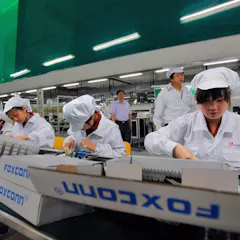
The company’s value exceeds the GDP of many countries, but Apple has human rights, ethical and environmental problems to match in its vast supply chain.
There are other ways of exploiting victims in the ‘business model’ of modern slavery.
While the fashion industry may want to address worker exploitation in their supply chains, it would open them up to tremendous legal liability. This needs to change.

Slavery is a local issue – and stopping it requires a local approach.
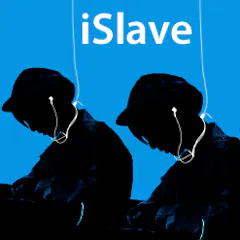
The first ten years of the iPhone has been a bloody decade of labour abuse, especially in Chinese factories such as those run by Foxconn, the world’s largest electronics manufacturer.

Australia needs to empower migrant workers to report abuse, and more effectively punish employers that do the wrong thing.
Top contributors
-

ARC Future Fellow and Professor of Criminology, The University of Melbourne
-
Research Assistant, University of Newcastle
-
Professor of Business and Society, University of Bath
-
Visiting Fellow in Antislavery Business, University of Nottingham
-
Research Fellow for Slavery-Free Communities, University of Nottingham
-
Lecturer, Monash University
-
Professor of Organisation Studies, University of Bristol
-
Senior Lecturer in Law and Anthropologist, University of Newcastle
-
Assistant researcher, University of Sydney
-
Professor, School of Journalism and Communication, Chinese University of Hong Kong
-
Associate Professor, University of Sydney Business School, University of Sydney
-
Professor of Political Theory, University of Southampton
-
Reader in Geopolitical Ecology, Queen Mary University of London
-
PhD Candidate in the Department of Political and International Studies, Rhodes University, Rhodes University
-
Senior Research Associate, University of Oxford