
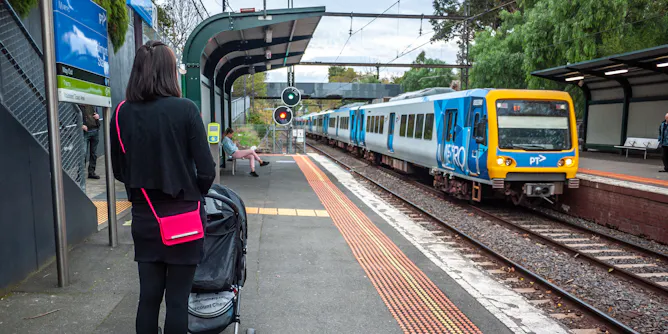
The layouts of our cities and their transport systems were not planned with women in mind. Inflexible services and inconveniently located schools, childcare and workplaces pose daily challenges.
Articles on Labor Federal Budget 2022
Displaying all articles

There were mixed results for the Albanese government from polls take in the wake of its first budget.
The budget forecast steep NDIS costs, but also allocated funds to review and support the scheme in sustainable ways that could contribute positively to the economy.

Australia has by far the highest domestic gas prices of any gas-exporting country. Threating to withhold export licences would bring prices down
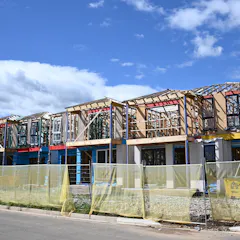
Targets of 50,000 new homes for rent at below-market rates and 1 million homes to improve affordability in general are positive steps, but the budget neglects the need to reform an ailing system.

Behind the planning process sits an opaque system of automated decision-making. It rests on a generated plan, called a ‘typical support package’.
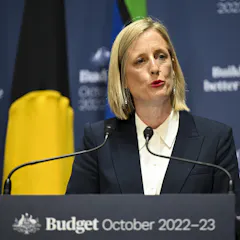
The inclusion of an evidence-based women’s budget statement shows a greater awareness of the systemic challenges to women’s economic security.
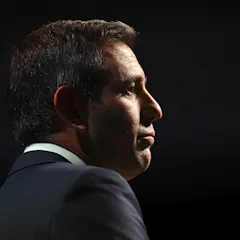
The Albanese government’s first budget contains many measures that may contribute to wellbeing, but that’s not the same as being a wellbeing budget.
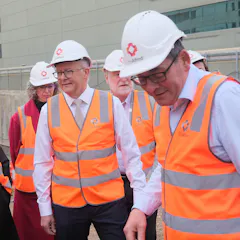
It’s easy to spot the similarities in how this first Labor budget and its Coalition predecessors approached transport projects. Their eye-watering spending isn’t supported by proper assessments.

Arts Minister Tony Burke says the government is waiting for its new cultural policy. But artists are struggling now.
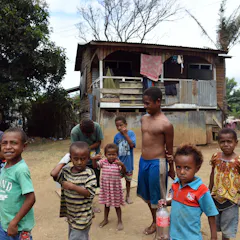
The latest budget shows we’re starting to cement the view that an adequate development budget is non-negotiable if Australia wants to have influence in the region.

The budget gets on with the job of implementing the health policies already promised. But there’s still more to do to get the new government’s policy settings right.
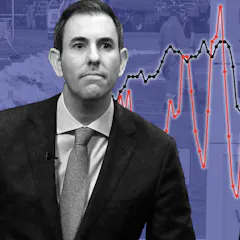
We sifted through the budget papers so you don’t have to. Here are the main takeaways at a glance.

Frightened by the prospect of an inflation rate approaching 8%, Chalmers has pumped very little into the economy, funding most of their extra spending by cutting Coalition programs.
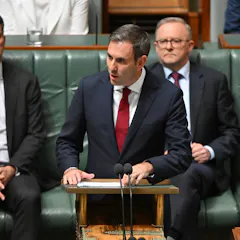
Chalmers promised the budget would be “workmanlike”, not “flashy”, and he’s kept his word. Almost all of it had been pre-issued by the government, including measures and numbers.
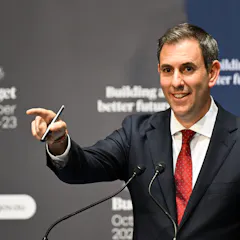
It’s not just the numbers that have changed in Jim Chalmers’ first budget. There is an emphasis on climate change and wellbeing, too.
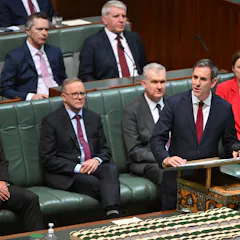
Jim Chalmers’ first budget has kept spending tight, but it contains alarming news for households.
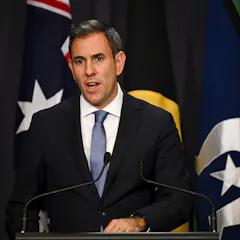
With cost blow-outs and global economic strife looming, the economic challenge for the Albanese government is great.
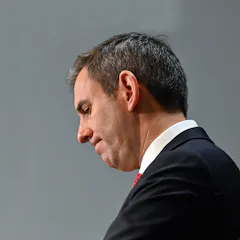
Chalmers was careful during the campaign to reject the idea of a tax-to-GDP cap. He is going to have to raise much more tax, and start a conversation about how – beginning with next week’s budget.
Top contributors
-

Professorial Fellow, University of Canberra
-
Visiting Fellow, Crawford School of Public Policy, Australian National University
-
Associate Professor in Urban Planning, The University of Queensland
-
Enterprise Professor, Melbourne Institute of Applied Economic and Social Research, The University of Melbourne
-
Associate Professor and Principal Fellow (Hon), School of Culture and Communication, The University of Melbourne
-
Senior Lecturer in Public Policy and Politics, UNSW
-
Professor of Bioethics, Director of the Disability Innovation Institute UNSW, UNSW
-
Honorary Fellow, School of Social and Political Sciences, The University of Melbourne
-
Canada Excellence Research Chair in Health Equity and Community Wellbeing; Professor, School of Disability Studies, Toronto Metropolitan University
-
Professor of Health Economics, Centre for Health Economics, Monash University
-
Emeritus Professor of Housing, UNSW
-
Senior lecturer, Canberra School of Government, University of Canberra
-
Professor, Public Service Research, UNSW
-
Adjunct Professor, Curtin Law School and Curtin Business School, Curtin University
-
Honorary Fellow, Asia Institute, The University of Melbourne