
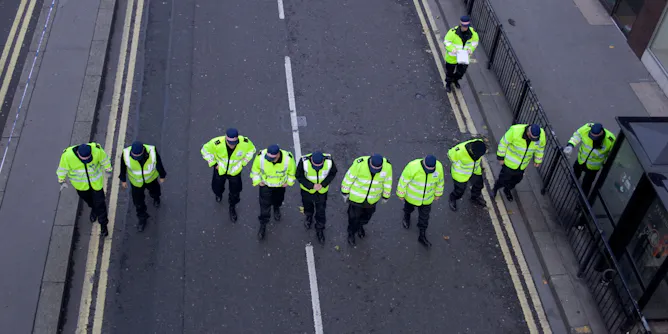
How big policy areas like crime, education, transport and energy have changed.
Articles on knife crime
Displaying 1 - 20 of 55 articles
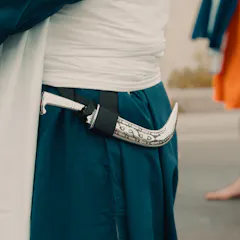
There is a widespread misunderstanding that all Sikhs are required to wear a kirpan.

Trying to outflank Reform UK won’t work – and could just make tensions worse.

Tougher knife laws make people feel safer but don’t address the real reasons knives are carried in the first place.

Around half of all assaults and homicides that involve weapons happen in domestic settings, yet new laws overwhelmingly focus on public knife offences.
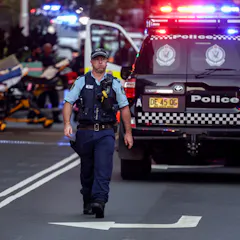
Crime stats show how Australia’s efforts to restrict weapon use has been largely successful. But more can be done.

Sometimes it seems as if Australia is grappling with an unprecedented violent crime crisis. Crime stats paint a different picture, however.

Jack’s Law has been expanded in Queensland despite evidence showing there was no reduction in violence as a result of the use of the hand-held scanners.

Using robots to simulate stabbings can enhance forensic accuracy – and the pursuit of justice.
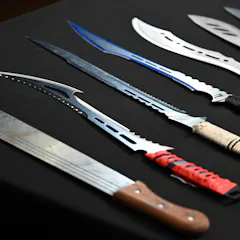
A Victorian machete ban raises several questions, including whether there will be exemptions and what other states and territories are doing.

Phasing out pointed-tip kitchen knives in favour of round-tip knives is a natural extension of the UK’s progress on weapons control.
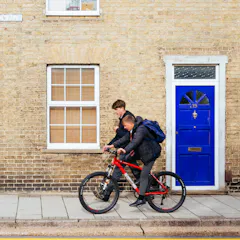
The more we talk about knife crime, the scarier it can seem, and the more young people feel the need to protect themselves by carrying a weapon.

Several recent stabbings in Australia have left many people nervous. But what does the data say about knife crime here?
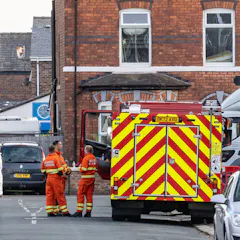
Poverty, serious mental health issues and online radicalisation are all part of the prevalence of knife crime.
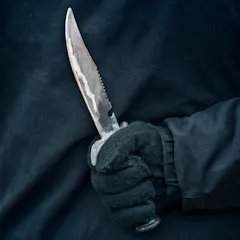
The necessary ingredient for all knife crime is knives. Reducing their availability is the most direct form of prevention.
Teachers described themselves as acting as ‘security guards’ and ‘police officers’.

Until government addresses the link between cuts to funding public services and the rise in knife crime, the violence children and young people are facing will continue.
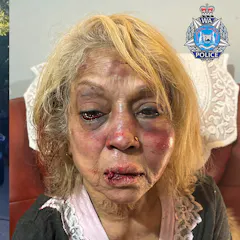
A significant number of the former detainees have run foul of the law since their release. After the matter was reported, the ministers did a single interview each as they tried to dodge the spotlight.
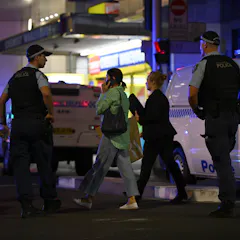
The “zero responders” – bystanders who proactively assist – play a pivotal role in the immediate response to crisis. They can be key players in preventing, reporting and containing a violent incident.
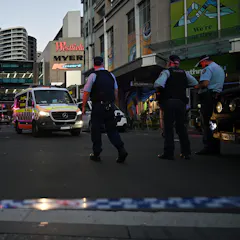
Social support is particularly important to help process these traumatic events and promote recovery.
Top contributors
-

Professor of Crime Science, University of Leeds
-
Associate Professor in Criminal Justice Data Analytics, University of Leeds
-
Lecturer in Policing Studies, School of Justice Studies., Liverpool John Moores University
-
Lecturer in Criminology (police & policing). School of International Studies, Macquarie University
-
Professor, Griffith Criminology Institute, Griffith University
-
Professor In Criminology, University of Staffordshire
-
Principal Research Fellow, Griffith University
-
Senior Lecturer in Criminology, Edge Hill University
-
Professor of Criminology, University of Hull
-
Senior Lecturer in Criminology and Criminal Justice, University of Manchester
-
Senior Lecturer in Criminology, University of Kent
-
Associate Professor in Criminology, Macquarie University
-
Senior Lecturer in Criminology, University of Brighton
-
PhD Candidate, Rutgers University
-
Leverhulme Early Career Fellow, Queen's University Belfast