

Lifting the licensing ban is expected to strengthen banks and, possibly, competition.
Articles on Kenya economy
Displaying all articles

A 2010 constitution offered Kenyans economic and social rights that have faded in the face of mounting national debt.

There is a real prospect of the government missing its tax revenue target.

Kenya’s slow economic growth, large educated youth population and limited job opportunities are some of the factors that gave rise to the protests.

Kenya wants to keep the shilling’s value artificially high, but it will soon realise that foreign currency reserves, used for intervention, are not limitless

Significant numbers of young people remain unemployed or underemployed, despite being educated.

The negative investor sentiment and massive capital flight could be reversed by improved governance and accountability.

Ruto’s administration continues to borrow, just like the previous regime.

William Ruto is determined to reduce public debt by collecting more taxes to pay for what the country needs.
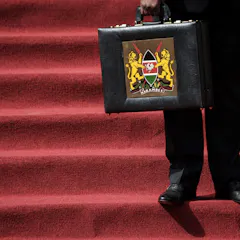
Njuguna Ndung'u has the experience that suits Ruto’s bottom-up economics but lacks the political gravitas to appease voters.
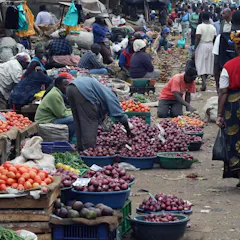
In spite of public disapproval, food prices are likely to remain high this year unless the government intervenes to cushion farmers from rising costs.

The US-Africa trade pact has had a significant impact on stimulating export trade – but African countries have not realised its full potential.

A major constraint that prevents Kenyans from benefiting from the oil sector includes the lack of specialised training or technical skills
Top contributors
-

Professor, Faculty of Business and Management Sciences, University of Nairobi
-
Associate professor, Finance, University of the Witwatersrand
-
Research Fellow, Tegemeo Institute, Egerton University
-
Senior Project Manager, Cambridge Institute of Sustainability Leadership, University of Cambridge
-
Director and Lecturer, Extractives Baraza, Strathmore University
-
Professor of Geography, Bowling Green State University
-
Professor, School of International Service, American University
-
Associate Professor of Business Research Methods and Director of Quality Assurance, KCA University
-
Professor and the Chair of the Department of Community and Regional Planning, Iowa State University
-
Professor of Sustainable Business and Development, University of Nottingham