

Public debt interest payments are the fastest growing area of federal government spending. See what changed, and why, from 1990 to today.
Articles on Public debt
Displaying 1 - 20 of 35 articles
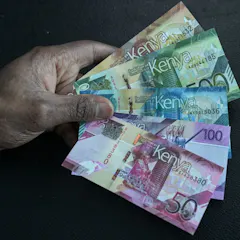
Unless Kenya secures a write-off or other debt-reducing deal, it will almost certainly default.
The negative investor sentiment and massive capital flight could be reversed by improved governance and accountability.

Ruto’s administration continues to borrow, just like the previous regime.

Used wisely, public debt could be a way to improve things for our children and grandchildren.
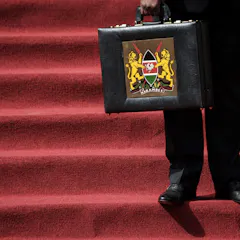
Njuguna Ndung'u has the experience that suits Ruto’s bottom-up economics but lacks the political gravitas to appease voters.
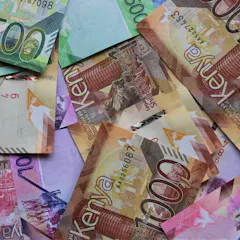
There’s a gap between Kenya’s public spending and its revenue. If the country owes more than it can repay, citizens will suffer.
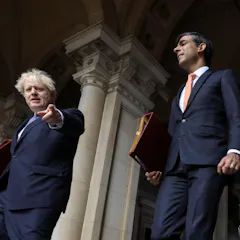
Energy prices, unemployment, inflation – it’s all looking a bit 1978. And that’s without COVID.

With an ageing population, pandemic recovery and climate emergency in the in-tray, social care is not the only thing the chancellor has to finance.

Were he still alive, former prime minister Robert Muldoon might have warned the Labour government about the trouble a wage freeze can get you into.

While necessary during the crisis, government borrowing isn’t costless. Longer term, it might depress living standards.

Creating lots of new money is supposed to produce runaway inflation. The longer that it doesn’t happen, the more this branch of economics appears to have a point.

With government debt soaring following moves to combat the coronavirus pandemic, now is the ideal moment to change how states borrow money.

The Trump administration is asking for US$850 billion in stimulus spending. Given the debt’s already at record levels, can the US afford it?

A significant change in political mentality is required to shore up one of Africa’s leading lights.

The concept of Universal Credit reveals something wider about the UK’s current political fixation on debt.
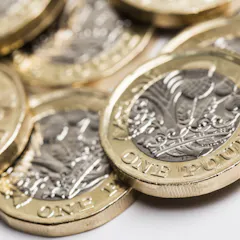
Could the ‘magic money tree’ have been right under our nose this whole time?
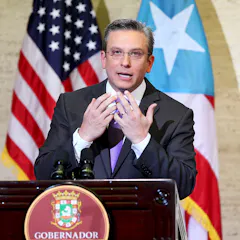
The island, which missed a debt payment earlier this month, faces ‘disastrous’ consequences if a solution to its spiraling crisis isn’t found soon.
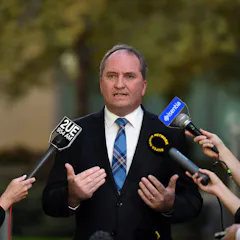
Deputy Prime Minister Barnaby Joyce said that when the Coalition lost government in 2007, Australia was owed billions by the world – but that when the Coalition regained power in 2013, Australia was in debt. Is that right?
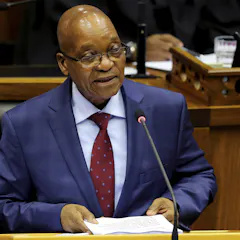
The general loss of faith in the economy is the most important issue President Zuma must address. More radical social and economic transformation, with emphasis on land reform will be most critical.
Top contributors
-

Associate professor, Finance, University of the Witwatersrand
-
Professor of Economics, University of Georgia
-
Honorary Research Fellow, City Political Economy Research Centre, City St George's, University of London
-
Dean of Business School, University of Southern Queensland
-
Scientia Professor of Economics, UNSW
-
Professor, Faculty of Business and Management Sciences, University of Nairobi
-
Senior Lecturer in Economics, The Open University
-
Visiting Fellow, QUT Business School, Economics and Finance, Queensland University of Technology
-
Professorial Fellow, University of Canberra
-
Director, Latin American Business Environment program, University of Florida
-
Professor of Economics, University of Sydney
-
Professor, University of the Western Cape
-
Emeritus Professor, Department of Political Economy, University of Sydney
-
Visiting Professorial Fellow, UNSW
-
Research Fellow, Tegemeo Institute, Egerton University