
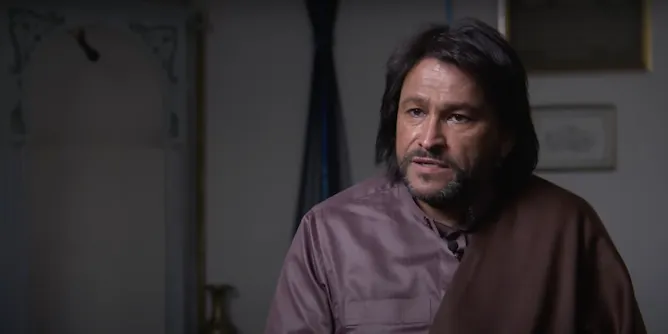
Gunned down on Saturday morning, the man dubbed the world’s first openly gay Imam was as loved as he was controversial. A friend and scholar reflects.
Articles on Jihad
Displaying 1 - 20 of 62 articles
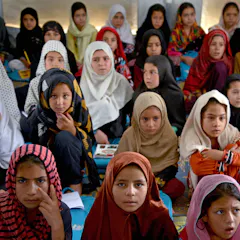
The Taliban are increasing religious education and removing lessons about the arts, culture and human rights – moves that will shape the future for millions of Afghan students
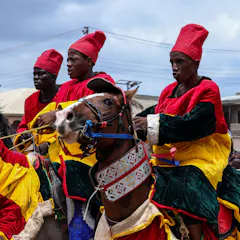
New research on Ilorin in Nigeria provides insights into regional socio-political developments prior to the 19th century.
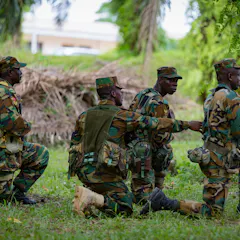
The terrorism discourse in Ghana shows how flawed views of the war on terror continue to shape thinking about security.
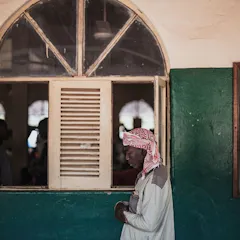
The overwhelming majority of Muslims in Mozambique reject the violence of the insurgents and their quest for a caliphate.
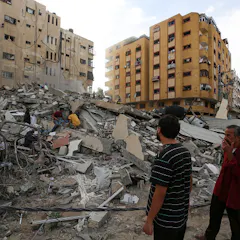
Support for the Palestinian cause has remained a steadfast element of South African foreign policy since the ANC came into power in 1994.
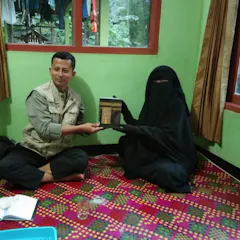
The US gives money to help Indonesia and other countries fight terrorism. But research shows that this money might not be effective, unless it directly reaches former extremists.
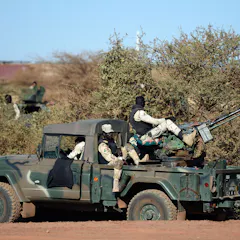
A new wave of military coups could put the dividends of democracy out of reach in a region troubled by the effects of jihadism.

The Taliban say they won’t allow jihadi groups to flourish under their rule. But there is good reason to believe that al-Qaida, IS and other regional groups will benefit from the takeover.
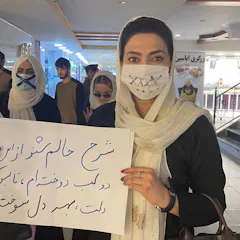
Two Afghan women scholars write about how Afghan women’s groups have been fighting for human rights, both now and historically.
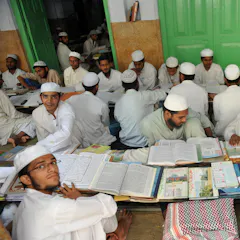
Deobandi Islam, the religious school that the Taliban draw their ideology from, was set up in 19th century India to educate Muslim youth.

Bin Laden’s extremist group had less than a hundred members in September 2001. Today it’s a transnational terror organization with 40,000 fighters across the Middle East, Africa and beyond.
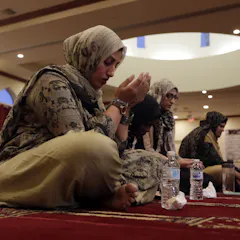
Violent radicals are often described as jihadists. A scholar explains what the word means and why those using the word to justify terrorism are often misrepresenting their sources.
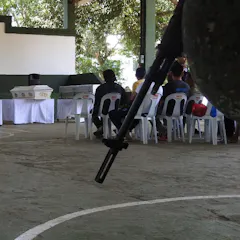
After a civil conflict, within five years the majority of modern peace agreements fail. What is causing these negotiated settlements to fall apart?

Many of the men and women who left homes in the West to join ISIS or similar terrorist organizations in Syria and Iraq as fighters or supporters now want to come home. Should they be allowed back?
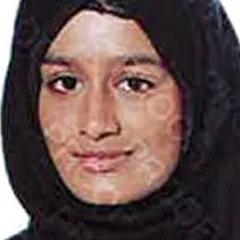
A schoolgirl who left Bethnal Green to join Islamic State in Syria is now in a refugee camp and wants to return to the UK.
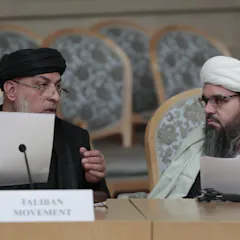
A Taliban perspective on recent peace talks for Afghanistan.
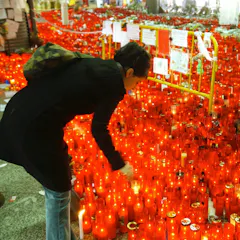
There is a common misconception in the West that leaders of al-Qaida and ISIS are recruiting and brainwashing people into giving up their lives for the Jihad. This is an incorrect model.

An unprecedented onslaught from the US hasn’t destroyed the terrorist organization. What is the secret of its resilience?
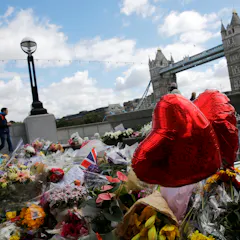
The latest wave of terrorism aims to kill as many people as possible, as horrifically as possible, with new tools and methods. That makes fighting back more difficult.
Top contributors
-

Professor of Sociology and Head of the Department of Criminology and Sociology, Middlesex University
-
Professor of Middle-Eastern and Islamic Studies, Université Toulouse – Jean Jaurès
-
Associate Professor in Modern History, Political Violence and Terrorism, Royal Holloway, University of London
-
Professor, Coventry University
-
Visiting Research Professor, The Senator George J. Mitchell Institute for Global Peace Security and Justice, Queen's University Belfast
-
Former researcher at the Global Terrorism Research Centre, Monash University
-
Visiting Fellow, Brookings Doha Center and Professor of Politics, Queen's University Belfast
-
Professor of International Security, University of Birmingham
-
Forensic Psychologist and Senior Lecturer in Forensic Psychology, Cardiff Metropolitan University
-
Professor of Politics, University of Birmingham
-
Directrice de recherche, Sciences Po
-
Emeritus Professor of Political Psychology, Bournemouth University
-
PhD researcher, Université Libre de Bruxelles (ULB)
-
Professor of Peace Studies, University of Bradford
-
Professor of International Relations, Lancaster University