
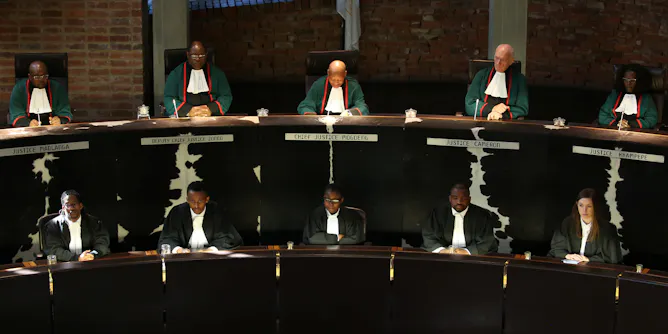
A motion of no confidence - secret or open - in South Africa’s president will be destabilising. There’s value in ensuring that such a hefty decision is made openly and with courage of conviction.
Articles on Jacob Zuma
Displaying 301 - 320 of 490 articles
The public protector’s proposal to change the mandate of South Africa’s Reserve Bank goes well beyond changing individual rules to overturning their very foundation, anchored in the Constitution.
South Africa’s democracy is in trouble. But the challenge is less about who should control state institutions, and more about how they can be refashioned to deliver to the poor.
South Africa needs to start thinking about life after President Jacob Zuma. Given the damage that he’s done, serious thought should be given to forming a government of national unity.

When given leaked information journalists should check the information, consider alternative explanations, consider the political context and allow the people implicated a proper chance to respond.
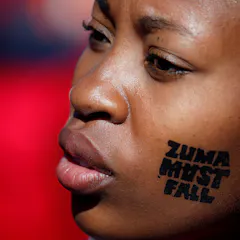
The misfortunes experienced by Brian Molefe, the CEO of South Africa’s power utility Eskom, shows that the battle for the country’s public purse is not a one way bet.
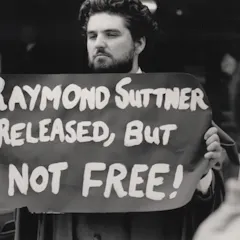
In the new introduction to his prison memoir South African anti-apartheid stalwart Raymond Suttner uses the word ‘betrayal’ to explain his break from the ANC.
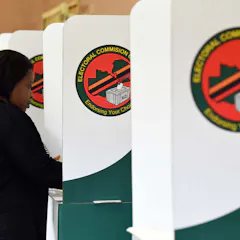
Democracy is in a parlous state in many countries in southern Africa. Autocrats hold onto power, while electorates have little to choose from at the polls.
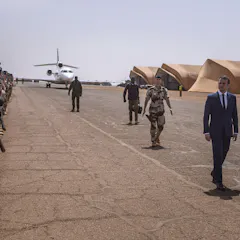
The state of democracy isn’t looking good in southern Africa – but these countries’ Western ‘partners’ don’t really seem to care.
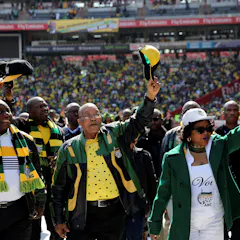
The internal processes of South Africa’s ruling ANC for electing the president is distorted by money, patronage, factionalism and vote-rigging. It negates the democratic legitimacy the party claims.

Organisational psychopathy, generally known as toxic leadership, is common in the private sector. It’s emerging more often in the public space too.

South Africa’s Constitutional Court has the difficult task of deciding whether MPs can have the protection of a secret ballot when voting whether to fire President Zuma or not.
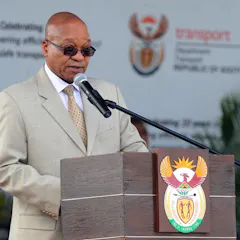
President Jacob Zuma’s grounds for appeal are surreal. He invokes the meaning of a rule set by the apartheid context he ferociously fought against, to justify his executive action in a democracy.
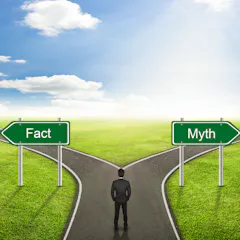
Populist movements are on the rise. Their supporters distrust the establishment, elites, authority and official sources. The post-truth world is a post-expert world.
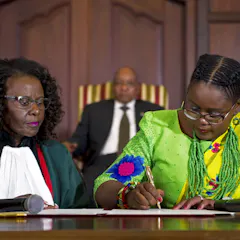
The South African government is not giving up on its push for a controversial nuclear power plan. But it’s chances of succeeding have been greatly reduced.
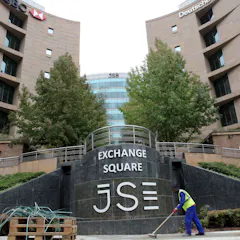
The debate about white monopoly capital in post-apartheid South Africa is good for the country’s politics but it tends to come with bad sociology.
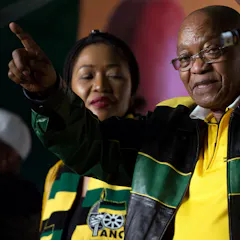
The populism politics adopted by South Africa’s ruling party, African National Congress, mask a strategy to deflect attention from the party’s policy failures and to hide its many scandals.
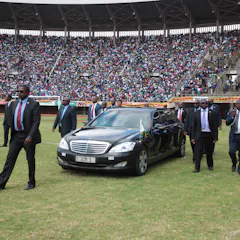
Three democracies once considered beacons of hope are in varying states of disarray.
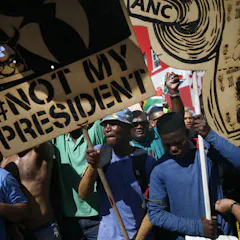
A ruling by a South African court makes it unlikely that the country will see any nuclear development in the foreseeable future.
The Cape High Court ruling which declared South Africa’s nuclear energy plan as illegal may have put paid President Jacob Zuma’s ambitions of clinching the deal while he is still in office.
Top contributors
-

Professor of Sociology, University of the Witwatersrand
-
Professor of Political Studies, University of Johannesburg
-
Emeritus Associate Professor in Public Law, UCT. Visiting Adjunct Professor, WITS School of Governance; Director, Africa Programme, University of Cambridge Institute for Sustainability Leadership, University of Cambridge
-
Political Scientist, University of the Western Cape
-
Professor in Political Science, University of South Africa
-
Professor of Public Affairs, Tshwane University of Technology
-
Professor of World Politics, SOAS, University of London
-
Visiting Professor at the Business School, University of the Witwatersrand
-
Professor of Urban Governance, University of the Witwatersrand
-
Visiting Professor and Professor Emeritus, University of the Witwatersrand
-
Senior Research Associate, University of Johannesburg
-
Professor of Physics, University of Johannesburg
-
Head: Wits School of Governance, University of the Witwatersrand
-
Professor of Digital Society, University of Glasgow
-
Associate Professor in Public Law, University of Cape Town