
A child born now is likely to suffer, on average, three to four times as many climate extreme events in their lifetime as their grandparents did.
Articles on IPCC reports
Displaying 21 - 40 of 45 articles
Fear and Wonder is a new climate podcast, brought to you by The Conversation, and sponsored by the Climate Council.
As the world waits with bated breath for the release of the latest UN climate report, let’s take a fresh look at the IPCC. What can we expect from the Synthesis Report on Monday evening?
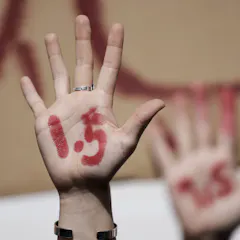
A leading climate scientist explains why going over 1.5 degrees Celsius puts the world in a danger zone.

The lack of a clear formula to distinguish between donors’ adaptation and mitigation funds is hurting Africa’s climate response.
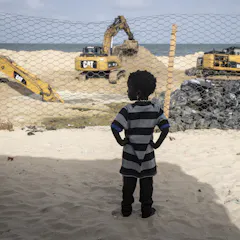
The promise of US$100 billion a year for North-South solidarity is now a source of frustration for developing countries.
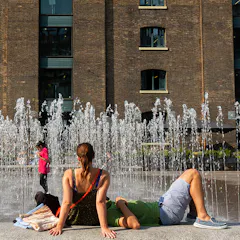
After living one of the hottest summers in European history, we have to look to the population suffering these temperatures. How does heat affect our physical and mental health?
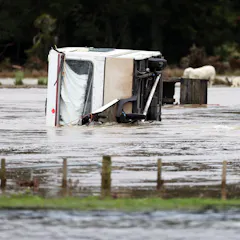
The people hardest hit by climate change are invariably those who are more vulnerable. We need to pay more attention to the root causes of vulnerability and address poverty and inequity.
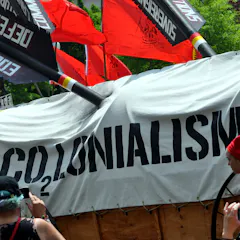
The IPCC’s latest climate report discusses how colonialism has shaped climate, a breakthrough for the climate justice movement.
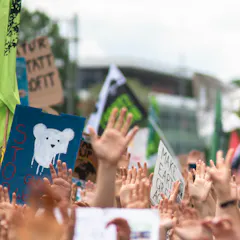
The outlook for potential emissions reduction is far better than in earlier assessments, thanks to the plunging costs of clean energy technologies.
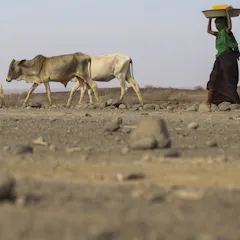
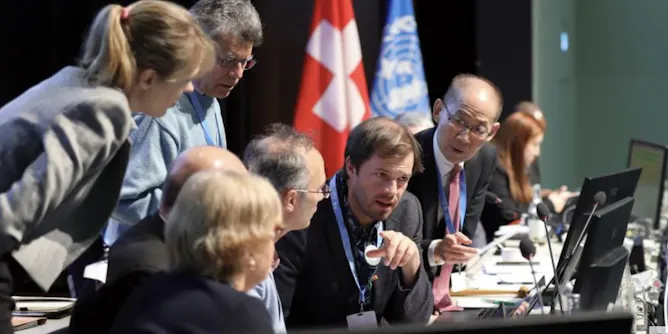
The IPCC is the global authority on climate change. Their new report paints a worrying picture of climate impacts already affecting billions of people, economies and the environment.
University of Canberra Professorial Fellow Michelle Grattan and University of Canberra Associate Professor Caroline Fisher discuss the week in politics.
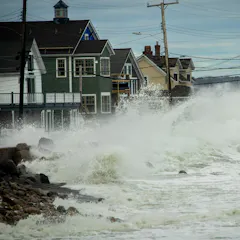
The IPCC report has laid out some alarming sea level projections for the future. But the relationship between sea level rise and real-world risk is complex.
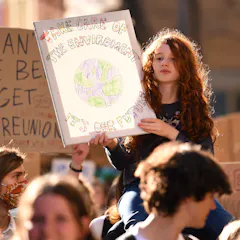
With climate action more crucial than ever, the IPCC needs to communicate clearly and strongly to as many people as possible. So how is it going so far?
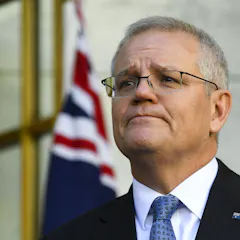
The world faces a galloping climate emergency. Yet Australia has carved out a name for itself as a global laggard.

Some of the climate changes will be irreversible for millennia. But some can be slowed and even stopped if countries quickly reduce their greenhouse gas emissions, including from burning fossil fuels.
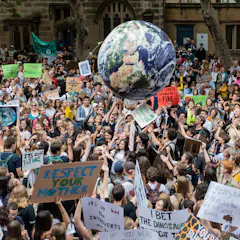
Can new language change the way the public and politicians perceive the hazards of the Earth’s changing climate?
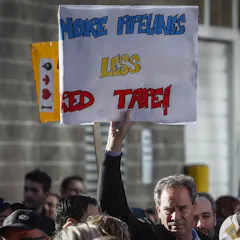
Canada has joined the international community in calling for a transition away from fossil fuels. There is no reason to wait for more painful disruption before planning for that transition.
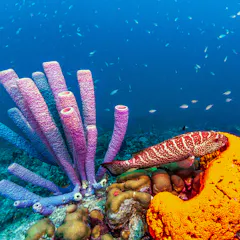
Marine sponges are ancient organisms that have survived mass extinctions. Many are more tolerant of climate change and may dominate over corals in future reef systems.
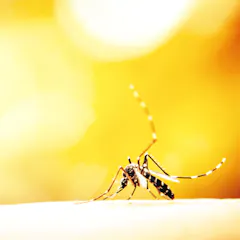
Is our changing climate making regions of the US more suitable for ticks and mosquitoes that spread diseases? Or is the climate changing human physiology making us more vulnerable?
Top contributors
-

British Academy Global Professor, Future of Food, Oxford Martin School, University of Oxford
-
Professor, Crawford School of Public Policy and Director, Centre for Climate and Energy Policy, Australian National University
-
Professor and Climate Scientist, Department of Geography, Planning and Environment, Concordia University
-
Director, ANU Institute for Climate, Energy & Disaster Solutions, Australian National University
-
Chief Scientist, Australian Antarctic Division and Professor of Climate Science, Australian National University
-
Implementation Manager, Indiana University
-
Professor, Universiti Kebangsaan Malaysia (National University of Malaysia)
-
Professor & Director, Global Ecological Change & Sustainability Laboratory, University of Guelph
-
Directeur de recherche CNRS, Expert for Conservation Biology, Axa Chair for Functional Mountain Ecology at the École Nationale Supérieure Agronomique de Toulouse, Centre national de la recherche scientifique (CNRS)
-
Professor and Director, International Development, Community, and Environment, Clark University
-
Conjoint NHMRC Early Career Fellow, The University of Queensland
-
Professor of Law, The University of Melbourne
-
Associate Professor, and Associate Investigator for the ARC Centre of Excellence for Climate Extremes, Monash University
-
Researcher, The University of Queensland
-
Assistant Research Scientist and Faculty Fellow, Indiana University