

What do popular ‘settler’ Australian stories like The Castle and Trent Dalton’s books say about who we are? What do they evade? Jeanine Leane investigates the state of post-Mabo Australian literature.
Articles on Intersectionality
Displaying 21 - 40 of 60 articles

Pauli Murray, the first Black woman to be ordained by the Episcopal Church, was an advocate for women’s rights and racial justice.

Widows in Nigeria are still exposed to harmful practices.

This is not a drastic approach or a political agenda, but a call to open up spaces for conversations about racism, about whiteness, about race with white people listening and not centring themselves.
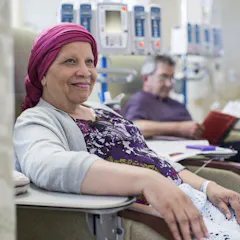
Belonging to one or more groups with long-standing social and economic disadvantages increases the risk of cancer diagnoses and death.
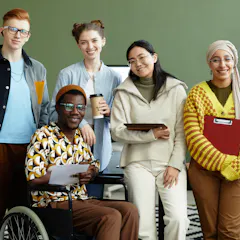
Diversity terms often involve decades of scholarship being reduced to a single word. Understanding them – and knowing how to explain them – is crucial.

Euphoria tackles the status quo head on with an esthetic that transgresses the codes of television, while criticizing several taboos and social issues.
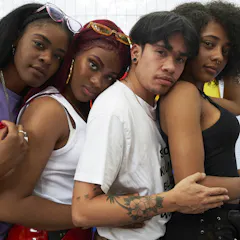
Being both trans and a person of color comes with a unique set of challenges. Collectively working toward overcoming these barriers is one way this community fights for survival.

Helping transform food systems so they serve people around the world starts with taking an active approach to addressing inequalities.

Many large employers must already report statistics on issues such as how many women they employ, their pay and their level of seniority. But that’s not enough; an intersectional approach is needed.
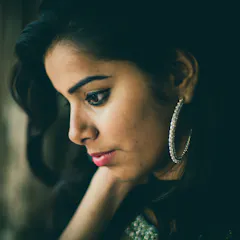
Islamophobia increased post-9/11. Twenty years later, American Muslims are still dealing with the mental health effects – and research barriers limit what is known about what puts them at risk.
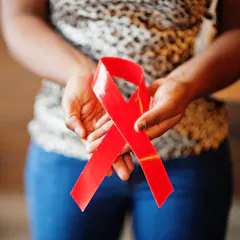
Microaggressions are more subtle than outright discrimination. But they can directly affect HIV treatment outcomes.

Who are the arbiters of contentious language? The answer, in the case of terms that refer to people, is the people to whom those terms refer.
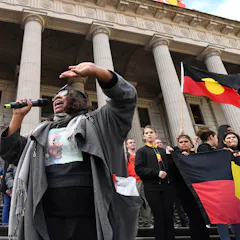
A documentary series aimed to spark national conversation about criminalising coercive control. However, it highlighted power imbalances in conversations between Indigenous and non-Indigenous women.
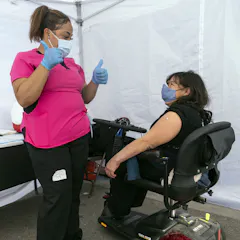
Using an intersectional approach will help bring visibility to diverse disability communities and provide the support they need to be safe, recover and rebuild their lives.
The widely contested report has caused outrage across the UK. But is it inaccurate?
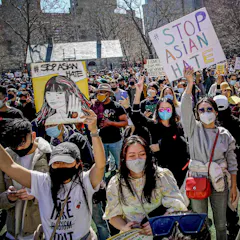
While the mobilization of mathematical literacy can be a powerful tool in the context of social movements, there is also dangers in numerating violence and pain.
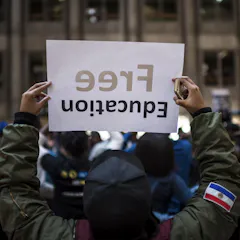
An African literature lecturer shares how embodied teaching can help students feel that their lives and stories matter.

High-density city living has been touted as a way to solve the problem of creating more sustainable, more liveable cities. But instead cities are only more liveable for a few.

Coronavirus is hitting some communities harder than others. But a lack of very basic data categorisation means it’s difficult for the UK government to tailor its response.
Top contributors
-

Assistant Director, UCL Grand Challenges, UCL
-
Ph.D. Candidate in Psychology, Northwestern University
-
Deputy Director of Public Policy, UCL
-
Assistant Professor, Teaching Stream, Black Health Lead, Dalla Lana School of Public Health, University of Toronto
-
Associate Professor, History, Macquarie University
-
Head of Urbanism and Associate Professor of Urban Studies, School of Architecture, Design and Planning, University of Sydney
-
Senior Project Advisor, Carumba Institute, Queensland University of Technology
-
Associate Professor of Health Care Ethics, Saint Louis University
-
Casual senior research fellow, Deakin University
-
Senior Research Fellow in Education, Deakin University
-
Lecturer in Criminology and Social Policy, The Open University
-
Professor of Organisational Behaviour, Brunel University of London
-
Assistant Professor in Law, University of Warwick
-
Indigenist Health Humanities Academic Director, Queensland University of Technology
-
Professor of Politics and Director of the Gender Research Centre, University of Bristol, University of Bristol