
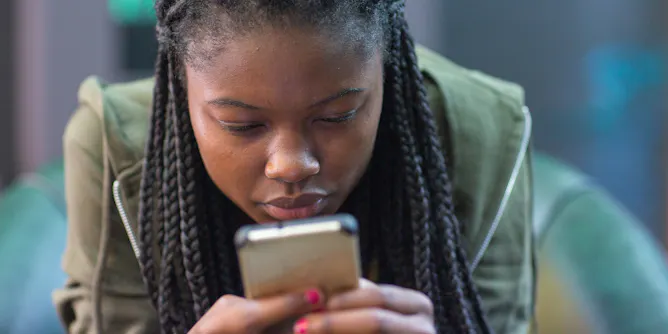
The high cost of data and inadequate digital skills prevent young people from accessing job opportunities.
Articles on Internet access
Displaying 21 - 40 of 73 articles

An expert predicts a rethink on technology access, reconnecting with the working class, and more.

Your mobile internet bandwidth is shared with others in your area. That’s why many people trying to access the iternet at the same time results in slower speeds.

Telstra and Optus have already made arrangements to support customers with extra, free data during the COVID-19 pandemic. But what is the NBN doing?

Accessing gambling and pornography sites may well get harder in Australia, if plans for mandatory age-verification go ahead. But there are already technical workarounds for determined web users.

Connecting every house to a fibre network is expensive and time-consuming.
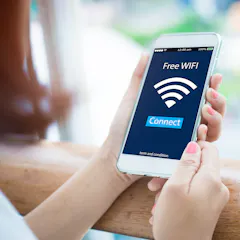
Guaranteed internet access is now crucial for everyone to equally exercise their political rights.

A recent federal court ruling lets big telecom companies censor the internet in ways that boost their own profits – but also allows local and state governments to outlaw censorship if they wish.

Remote Queensland farmers are among the least “digitally included” communities in Australia, according to a new report that documents the impacts of low access, affordability and digital ability for families and communites.

In just three decades we’ve gone from a very limited internet connection in Australia to now sharing our lives online.
Labor’s 2019 NBN election policy will disappoint those hoping for a fast-tracked return to that party’s 2009 vision of high-speed fibre for (almost) everyone.

Cuba will not legalize same-sex marriage, as gay activists hoped. But its new constitution adds greater protections for LGBTQ people and for women, and gives Cubans the right to own private property.

Private companies – many based in the US – are blocking access to their websites from particular countries around the world. It’s contributing to a splintering of the global internet.

Facebook retired its ‘Move fast and break things’ slogan – perhaps because, as new research from Brazil confirms, democracy is among the things left broken by online misinformation and fake news.
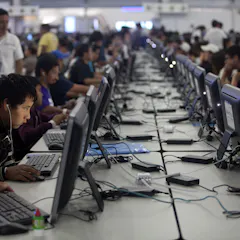
Mexico made internet connectivity a constitutional right in 2013, but most poor people still aren’t online. Research shows that internet access would give these residents more economic mobility.
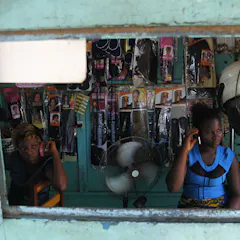
We don’t have the data in developing countries, and in global statistics to know if the digital divide is being closed.

Tasmania’s digital inclusion increased dramatically and more than the national average from 2017 to 2018. This change is underpinned by a doubling of access to NBN in Tasmania in that period.

Facebook is realizing it has broad obligations to society. Here’s how it could start meeting them.

The people who have the most to gain from the extraordinary resources of the internet are missing out, including those not employed, older Australians and migrants from non-English speaking countries.
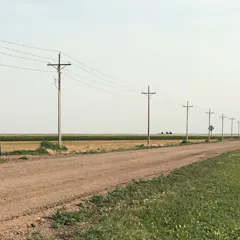
Many people in rural America don’t have access to fast, affordable internet access. How might those communities connect to the global exchange of goods, services and ideas?
Top contributors
-

Distinguished Professor of Media and Communications; Director, ARC Centre of Excellence for Automated Decision-Making and Society, RMIT University
-
Professor and Neustadt Chair, Department of Agricultural Economics, Oklahoma State University
-
Research Fellow, Cranfield University
-
Associate Professor, School of Engineering, RMIT University
-
Lecturer in Media and Communication, Director of Distance Learning, University of Leicester
-
Professor of Cyber Security Practice, Edith Cowan University
-
Associate Professor, Oxford Internet Institute, University of Oxford
-
Associate Professor of Public Affairs and Administration, Rutgers University - Newark
-
Research Fellow, Centre for Social Impact, Swinburne University of Technology
-
Director, Telecommunications and Information Policy Institute; Professor of Communication, The University of Texas at Austin
-
Lecturer in Government and International Relations, University of Sydney
-
Professor in Communications Engineering, University of Aberdeen
-
Assistant researcher, University of Sydney
-
Professor of Public Policy and Economics, University of Maryland, Baltimore County
-
Pioneers Chair in Telecommunications & Professor of Telecommunications, Penn State