

Demand would shift from luxuries to necessities.
Articles on Interdisciplinary thinking
Displaying 101 - 120 of 121 articles

The mix-up might be explained by the rush to remove sacred remains to Rome some 1,700 years ago.

Internet access should be a basic human right.
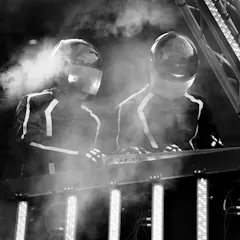
Daft Punk’s anonymity was really a stroke of genius.
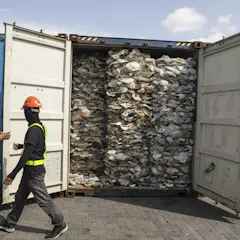
UK still ships huge amounts of plastic waste to places like Vietnam, Malaysia and Pakistan.

People who feel their work is a calling have more resilience against the negative effects of overwork and stress, but this comes at a cost.

Chile made a strong case for price reductions, cut deals with multiple providers and participated in trials for early access.

English and Welsh governments are consulting the public about whether they should revoke temporary abortion rules.

Coca is illegal – and there are harsh penalties for cultivating it. But farmers whose families face poverty say they have no choice.

An inevitable part of the internet age, some conspiracy theories appear and then fade, but in the US particularly, creationism seems firmly embedded in religion, education and pseudoscience.
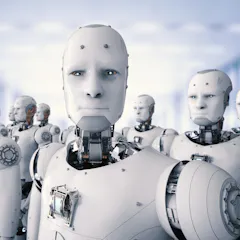
The revolution in AI harbours dangers for humanity – here’s why.

How will we record the pandemic and its effectson our lives? How will we look back at the significance of the present in the future?

If all of humanity was wiped out tomorrow, it’s estimated that the natural world would take at least five million years to recover from the damage humans have done to the world.
Research shows that when people feel insecure and anxious they become more concerned with identity values such as nationalism, status and success.

Out of the existing 29 million homes in the UK, only eight million meet the highest energy standards.

Picture this change: Through collaborative garden networks, teachers, schools, children, community partners and universities inspire real learning and transformation for a more sustainable world.

To protect the futures of today’s children and youth, schools and universities must go beyond Eurocentric approaches that dissect particulars yet miss the larger point.
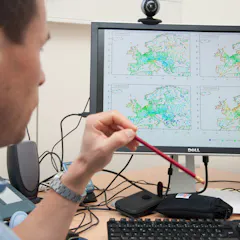
The climate emergency requires the full mobilisation of scientific institutions, but the persistent compartmentalization between disciplines and difficulties of adaptation hinder their action.

On the 500th anniversary Leonardo’s death and in appreciation of his rich and varied contributions, how can our educational systems inspire the same imaginative qualities in students today?
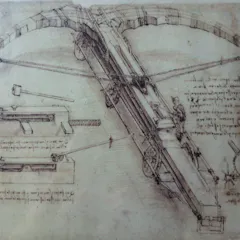
As Leonardo da Vinci found centuries ago, scholars of art, design, engineering and science can work together for mutual benefit.
Top contributors
-

Senior Lecturer in Psychology, Leeds Beckett University
-
Professor of Law, University College Cork; Independent Social Research Foundation
-
Professor of Technology Management and Circular Economy, Kingston University
-
Research Fellow in Applied Moral Philosophy, University of Oxford
-
Professor and Head of the Department of Psychology, University of Copenhagen
-
Principal Lecturer in Psychology, University of Brighton
-
Consultant Neonatologist and Professor of Ethics, University of Oxford
-
Chair of Public Health, University of Warwick
-
Mental Health Researcher, University of Southern Denmark
-
Senior Lecturer in Political Geography, Department of Geography, Newcastle University
-
Executive Director, Oxford Net Zero, University of Oxford
-
Professor of organisational theory & Director of the Centre for Social Ontology, Digital Chair., GEM; Independent Social Research Foundation
-
Professor of Physical Geography, University of Dundee
-
Visiting Fellow in Archaeology, Geography and Environmental Science, University of Reading
-
Associate Professor in Environmental and Spatial Equity, UCL