
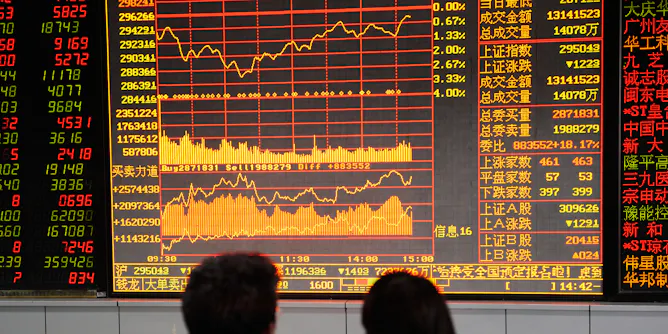
What does communism 2.0 mean for democracy?
Articles on Interdisciplinarity
Displaying 21 - 40 of 652 articles

Just like in real life, the idea that everyone in the game has a fair shot is quickly exposed as a fallacy.

Every infected person is assigned a local case officer who can personalise the support they receive.

Life-extension therapies may be coming sooner than you think.

How governments can ensure phasing out oil and gas won’t do more damage.
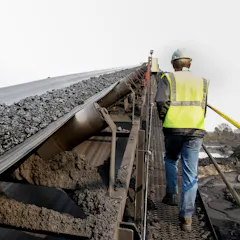
Listen to the third episode of a new series from The Anthill Podcast ahead of the COP26 climate change summit in Glasgow.

What research shows is important to win support for bold decarbonisation measures.
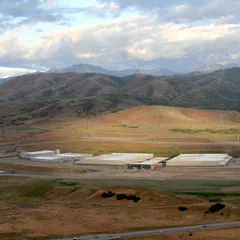
‘Hyperscale’ warehouses filled with computer servers use water for electricity and cooling.

People inevitably became less contented during the pandemic, but it’s part of a longer trend.

The vastly differing environment would need a whole new approach to disposing of dead bodies.

More ambitious plans for making the UK’s homes energy efficient could create 22,545 new full-time jobs.
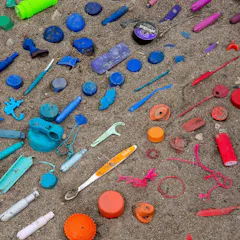
The problem of increasing plastic waste has been exacerbated by the pandemic, requiring better regulation and monitoring to solve.
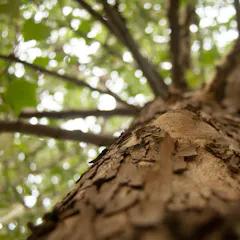
The world is a much better place for the extra carbon being absorbed by forests, but it can never entirely offset emissions.

Hooking trees up to internet-connected sensors provides a new way to study how they interact with the environment - and how the public interacts with their tweets.
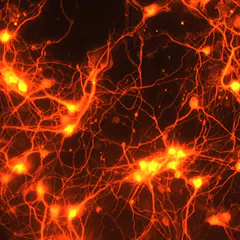
From robotic hands to brain-like computers, the Human Brain Project has produced some intriguing results.
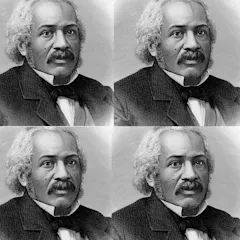
James McCune Smith was the first African American to receive a medical doctorate from a university. He dedicated his life to fighting injustice.
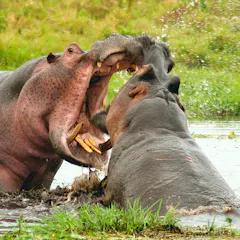
Data collected from thousands of hippos helped show that while males are only slightly bigger than females, they have much larger tusks.

Plus, how a team of musicologists and computer scientists completed Beethoven’s unfinished 10th Symphony using AI. Listen to The Conversation Weekly podcast.
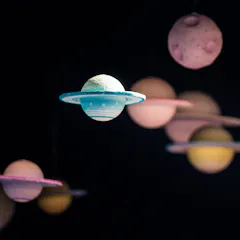
Attending, debating or simply following COP26? Here’s why you should be reading science fiction.
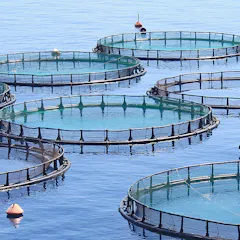
Ecolabelled seafood fetches higher prices in supermarkets, giving retailers and producers the incentive to up their sustainability game.
Top contributors
-

Principal Lecturer in Psychology, University of Brighton
-
Writer, University of Westminster
-
Professor of Natural Philosophy in the Department of Physics, University of York
-
Senior Lecturer in Psychology, Leeds Beckett University
-
Associate Professor in Marketing, Trinity College Dublin
-
Professor in Modern History and UKRI Future Leaders Fellow, King's College London
-
Senior Lecturer in Geography, University of Sheffield
-
Visiting Research Fellow in Philosophy, University of Hertfordshire
-
Assistant Director of the Global Systems Institute, University of Exeter
-
Lecturer in Peace Studies and International Development, University of Bradford
-
Professor of Ecology and Conservation, Newcastle University
-
Professor of Indian and Colonial History, University of Liverpool; Independent Social Research Foundation
-
Professor of Psychology, University of Leicester
-
Auguste Comte Chair in Social Epistemology, University of Warwick
-
Senior Lecturer in Global Health, The University of Western Australia