

For years, Queensland authorities have been broadscale baiting fire ants. But the infestation is too big – and the baits wipe out rival species
Articles on Integrated pest management
Displaying all articles
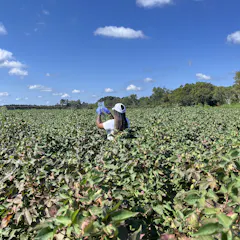
AI can help farmers be more effective and sustainable, but its use varies from state to state. A project in Georgia aims to bring the technology to the state’s cotton farmers.
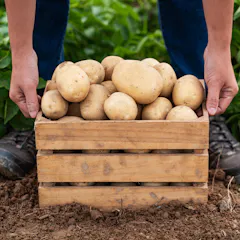
Dependence on a single crop is risky. When blight strikes vulnerable communities, the consequences can be devastating.

For students to learn in a safe, healthy environment, school administrators must deal with a myriad of potential environmental contaminants, from allergens to cockroaches.

Honey bees, wild and native bees face threats from parasites, pesticides and habitat loss. Shorter winters, more extreme weather and more habitat destruction won’t help.

Studies suggest that seeds coated with neonicotinoid insecticides may harm nontarget insects, mammals and birds. In response, states are starting to restrict use of these products.
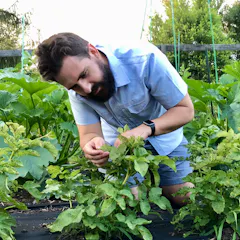
The COVID-19 pandemic has boosted interest in home gardening. Three scientists who garden explain some basic methods for controlling common insects and microbes that can spoil your crop.
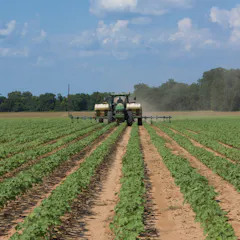
One way that farms can handle shortages of protective gear for workers is by switching to less-toxic pest control methods.

Climate change, globalization and concerns about rat poison soon could drive rat infestations to levels not seen in centuries. One way to curb them is getting humans to stop wasting food.

US farmers are planting more and more acres with seeds coated with neonicotinoid pesticides. An ecologist explains why this approach is overkill and may be doing more harm than good.
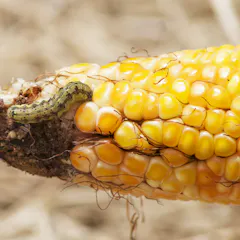
Farmers needs a way to manage harmful insects without destroying the ecological balance.
Top contributors
-

Professor of Entomology and Extension Specialist, Penn State
-
Associate Professor, Department of Entomology; African-American Studies, University of Illinois Urbana-Champaign
-
Associate Professor of Biological Sciences, Fordham University
-
Professor of Plant Pathology and Systematic Bacteriology, Penn State
-
Research Affiliate in Human Ecology, University of California, Davis
-
Postdoctoral Researcher in Mycology, West Virginia University
-
Visiting Research Scholar, Fordham University
-
Associate Professor of Mycology and Plant Pathology, West Virginia University
-
Lecturer in Integrated Crop Management, University of Neuchâtel
-
Extension Program Specialist, Texas A&M University
-
Professor of Entomology, Southern Cross University
-
Associate Professor, School of Chemical Sciences, Dublin City University
-
Senior Lecturer in Health Policy & Community Health, Georgia Southern University
-
Professor of Biostatistics, Epidemiology & Environmental Health Sciences, Georgia Southern University
-
Founding Director of the Partnership for Innovation (PIN), Georgia Institute of Technology