
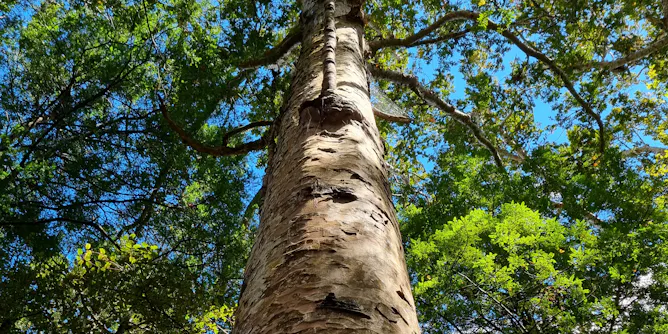
Warmer winters mean insect pests like wasps will likely spread further, while weedy plants and rats invade alpine zones, shrinking the refuge for endangered birds.
Articles on Insect pests
Displaying all articles
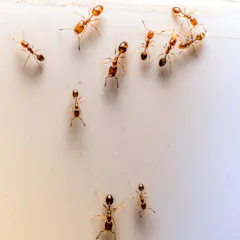
Ants outnumber humans by an almost unimaginable margin. There’s probably one near you right now.
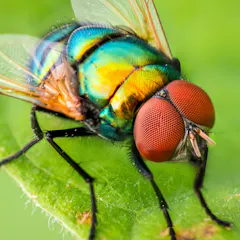
The number of insect species is mind-boggling – and they are a critical part of the environment.

Six fungi species were tested and three were found fast and effective at infecting and destroying woolly apple aphids.

Ferns have evolved a mutually beneficial relationship with ants, but this happened late in their evolution. A recent study shows that old dogs can learn new tricks.
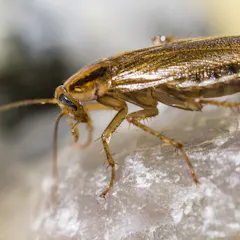
Using DNA sequencing, the origins of one of the world’s most common insects, the German cockroach, have been traced back to Asia. Learning more about this urban pest can help us fight it effectively.

Four types of nematodes occur in soil.
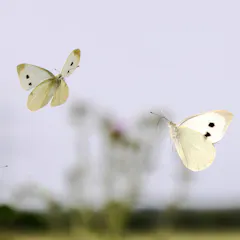
Conditions this year have been perfect for a cabbage white population boom, but you can do a few things to stop their caterpillars from shredding your plants.
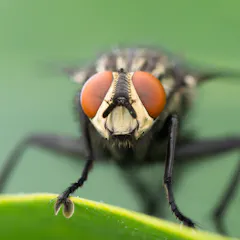
Early warm weather has triggered a bumper season for Australia’s 30,000 fly species.
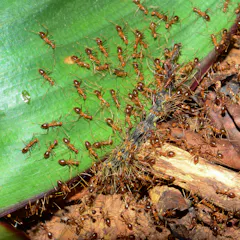
The two pest ant species have huge impacts on the areas they invade. The fire ants can even kill people. Unfortunately, these ants will be hard to eliminate.
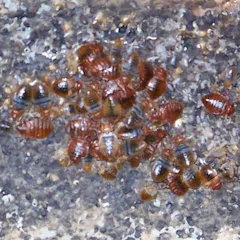
Bed bugs are pretty much universally reviled. But a public health entomologist explains how – while potentially traumatizing to deal with – they aren’t likely to make you sick.
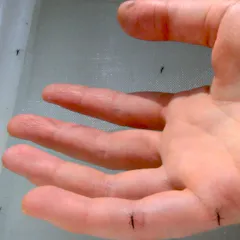
Male mosquitoes gather around humans, likely in an attempt to mate with blood-sucking females.

This year’s unprecedented fall armyworm invasion has laid waste to lawns, athletic fields and crops. Is it a fluke? When will it end?

Inserting electrodes into insects helps scientists understand what attracts these insects – and, stemming from that, how to trap them and protect crops.
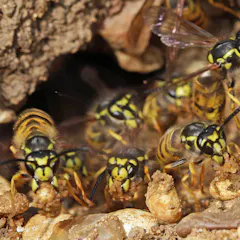
The invasive species was likely brought to Australia unintentionally by ship. Now found in every state and territory, the wasps are decimating our ecosystems.
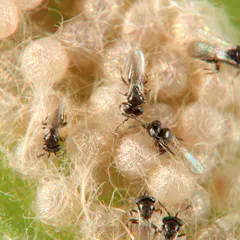
Biological control uses live organisms to kill or eat the pest insects.

Changing weather modifies insect traits and can have an impact on their food, natural enemies and predators.
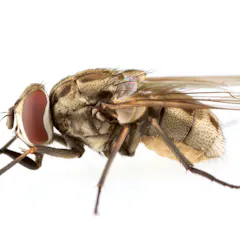
Savvy female stable flies prefer to lay their eggs on donkey and sheep dung. Knowing where they choose to do this will help us manage disease.

Been on a tropical holiday? You might have brought home more than just a new sarong and extra colour in your cheeks – perhaps a mosquito that spreads dengue, or another known as ‘the BBQ stopper’.
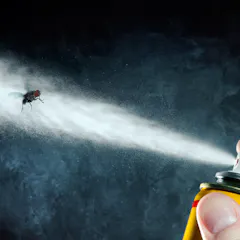
It’s easy to whip out the fly spray, but our fondness for pesticides can bring knock-on effects such as increased resistance, and harming beneficial insects in and around our homes.
Top contributors
-

Associate Professor in Entomology, University of Sydney
-
Researcher in Nematology, Parasitology, Systematics, Stellenbosch University
-
Associate Professor, Global Ecology, University of Sydney
-
Vice Chancellor's Research Fellow in Ecology and Entomology, Edith Cowan University
-
Associate Professor in Entomology, University of Pretoria
-
Lecturer, University of Sydney
-
Associate Professor, Department of Entomology; African-American Studies, University of Illinois Urbana-Champaign
-
Associate Professor, School of Life and Environmental Sciences, University of Sydney
-
Associate Professor of Applied Entomology, The University of Western Australia
-
Professor, School of BioSciences and Bio21 Institute, The University of Melbourne
-
Extension Professor of Biochemistry, Molecular Biology, Entomology and Plant Pathology, Mississippi State University
-
Senior research scientist, Institut de recherche pour le développement (IRD)
-
Ph.D. student, University of Sydney
-
PhD, Chemical & Visual Ecology, University of Pretoria
-
Postdoctoral research fellow, The University of Melbourne