
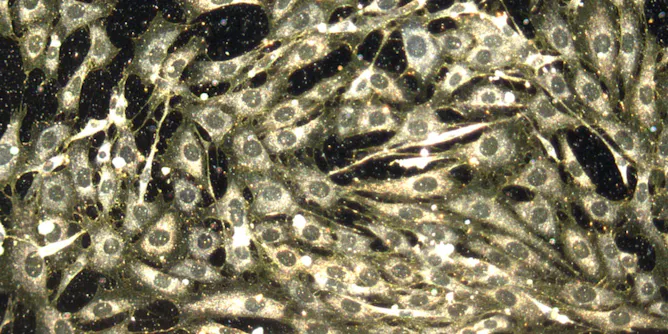
As it does with other pathogens, your immune system sees drugs as foreign invaders to be expelled from your body. But exploiting this process could reduce the side effects of chemotherapy.
Articles on Innate immune response
Displaying all articles
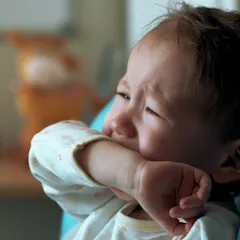
You can’t test for this little-known food allergy that usually affects infants – and the symptoms can be very worrying.
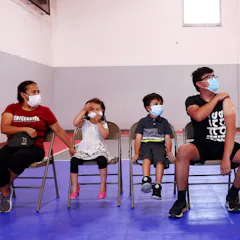
First CDC signed off on a COVID-19 vaccine for adults, then teens. Now US children ages 5 to 11 are officially eligible for shots. Here’s the science on why each group needs to be considered separately.
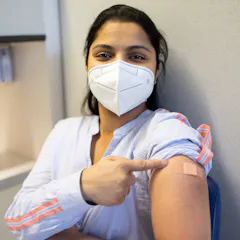
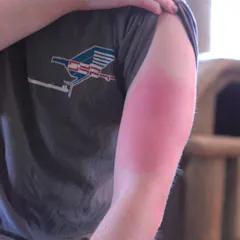
It’s normal for different people to mount stronger or weaker immune responses to a vaccine, but post-shot side effects won’t tell you which you are.

Children in the study seemed to display a very strong “innate” immune response.
Older coronavirus patients face grimmer outlooks. A virologist explains the aging-related changes in how immune systems work that are to blame.
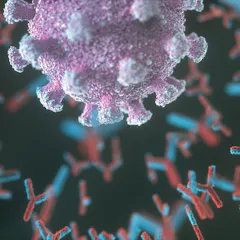
If antibody levels drop dramatically after an infection, what does that mean for immunity? An expert explains how B and T cells contribute to immunity and why antibodies don’t tell the full story.
Researchers discover clues to the origin of inflammatory bowel disease and a possible strategy for treatment.

Different demographics are more or less vulnerable to serious complications from the coronavirus. A virologist explains the aging-related changes in how immune systems work that are to blame.
We’ve all endured infections. Here’s how it works when our bodies are attacked by viruses, bacteria or parasites, and our innate immune system becomes the first line of defence.

The immune system does such a good job most of the time that we only really think about it when things go wrong. But to provide such excellent protection, it must constantly learn.
The immune system is critical for protecting against illness-causing organisms, such as viruses, bacteria and fungi, which are collectively known as pathogens. Without it, we would quickly become infected…
Top contributors
-

Project Manager; Centre for Advanced Training Systems, University of Newcastle
-
Associate Professor of Microbiology, Immunology & Pathology, Colorado State University
-
Professor of Veterinary Microbiology, University of Saskatchewan
-
Professor of Medicine, UMass Chan Medical School
-
Evidence and Translation Lead, National Allergy Centre of Excellence; Chief Investigator, Centre of Food Allergy Research; Associate Professor and Group Leader, Childhood Allergy & Epidemiology Group, Child Health Research Centre, The University of Queensland
-
Assistant Professor of Pediatric and Adult Allergy/Immunology, West Virginia University
-
Laboratory Head, WEHI (Walter and Eliza Hall Institute of Medical Research)
-
Professor of Medicine, University of California, San Diego
-
Department of Allergy & Immunology at the Children's Hospital at Westmead, University of Sydney
-
Professor, Child and Adolescent Health, Faculty of Medicine and Health,, University of Sydney
-
Professor of Immunology, Tufts University
-
Principal Scientist and Canada Research Chair in Zoonotic Virus and Animal Reservoirs at the Vaccine and Infectious Disease Organization and Co-Lead of One Health at the University of Saskatchewan, University of Saskatchewan
-
Professor of Pharmaceutical Sciences, University of Colorado Anschutz
-
Post-doctoral fellow, University of Newcastle