

A scholar who has reviewed the efforts of nations around the world to protect their citizens from foreign interference says there is no magic solution, but there’s plenty to learn and do.
Articles on Information warfare
Displaying 21 - 40 of 41 articles

Co-opting internet-connected devices could disrupt transportation systems on Election Day, stymie political campaigns, or help make information warfare more credible.

As the 2020 elections near and disinformation campaigns ramp up, an expert on media literacy offers advice you can use to develop habits to exert more conscious control over your news intake.
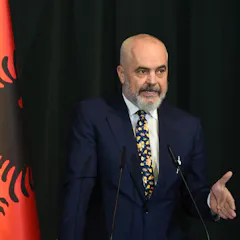
New laws in Albania show one approach to dealing with disinformation – and highlight some pitfalls of selective regulation.
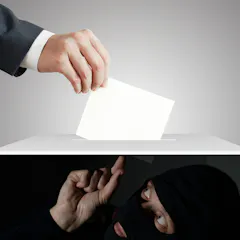
Information warfare has gone global. Here are some recent campaigns, and a couple of ideas about how to fight back.
Members of the research team that wrote the software that unmasked thousands of Twitter bots explain the next phase of their work: getting the public involved in the fight against disinformation.
The Russians won’t be alone in spreading disinformation in 2020. Their most likely imitator will be Iran. Also, Instagram could get even more infected with intentional misinformation than it has been.

Nuclear threats are serious – but officials, the media and the public keep a close eye on them. There’s less attention to the dangers of cyberattacks, which could cripple key utilities.

With the launch of the Libra cryptocurrency, Mark Zuckerberg reveals his dreams of building a new virtual country, perhaps inspired by the Roman Empire.
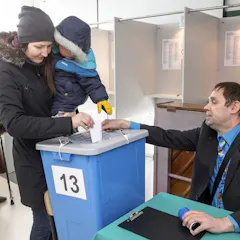
An Estonian cybersecurity leader explains how her country defends itself, its society and its elections from Russian interference.
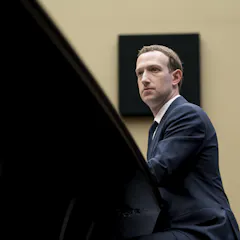
CEO Mark Zuckerberg’s claimed intent to focus on privacy will be hard to execute, will not happen soon and does not address major concerns about the company’s role in society.
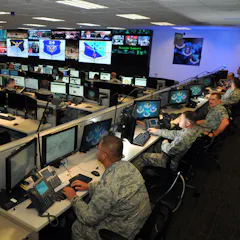
A new strategy for U.S. Cyber Command seeks to block enemies from achieving their objectives – but may not be successful, and could have unforeseen consequences.
Protect yourself from hackers, trolls, bots, social media executives and programmers in need of ethics training.
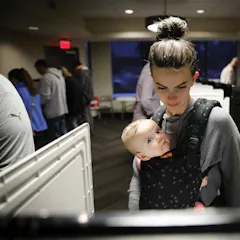
Protecting democracy requires more than just technical solutions. It includes education, critical thinking and members of society working together to agree on problems and find solutions.
Russian hackers are coupling old propaganda strategies with new technologies to attack and exploit not just computers and stored data, but how people think.

Cybersecurity experts in the US knew about Russian intelligence agencies’ activities, but may not have had any idea how comprehensive and integrated they were – until now.

My expert evidence to parliament shows how Cambridge Analytica and SCL secretly pushed their supposed notoriety in the dark arts in brazen ways.
Information warfare is a clear and present danger.
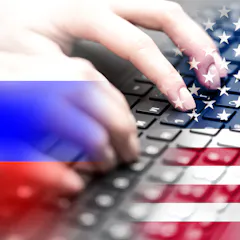
The FBI is warning of Russian cyberattackers probing American election systems. Information warfare scholars discuss Russia’s digital efforts to benefit its national interests.

Warfare is changing, and our approach to dealing with our adversaries must change too.
Top contributors
-

Associate Research Professor of Social Psychology, Louisiana State University
-
Professor of Electrical and Electronic Engineering and Director of Electronic Warfare Research, City St George's, University of London
-
Associate Professor of Communications (Social Media), Syracuse University
-
Teaching Professor of Computer Science and Electrical Engineering, and Associate Director, UMBC Cybersecurity Institute, University of Maryland, Baltimore County
-
Visiting Fellow in Political Science, Northeastern University
-
Senior Research Fellow, Melbourne School of Psychological Sciences, The University of Melbourne
-
Adjunct Instructor in Cybersecurity, Johns Hopkins University
-
Associate Professor (Adj), Griffith Asia Institute; and Fellow, Strategic and Defence Studies Centre, Australian National University
-
Adjunct professor, Carleton University
-
Associate Professor of Political Science, Clark University
-
Assistant Professor of Electrical and Computer Engineering, Boston University
-
Professor and Canada Research Chair in Data Mining for Cybersecurity, McGill University
-
Associate Professor of Communication, Wayne State University
-
Professor, Faculty of Science and Technology, Charles Darwin University
-
Executive Director, Arizona State University