
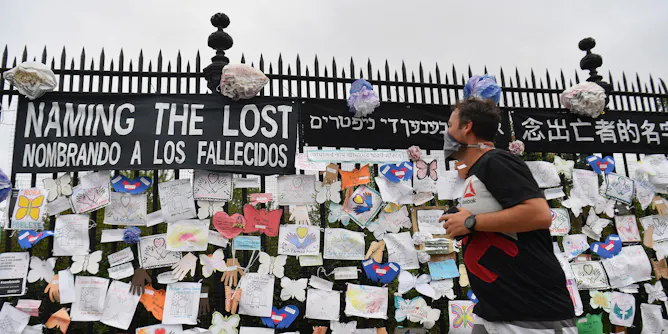
There’s no scientific definition for a wave of disease – and no evidence that the original onslaught of coronavirus in the US has receded much at all.
Articles on Influenza
Displaying 161 - 180 of 361 articles
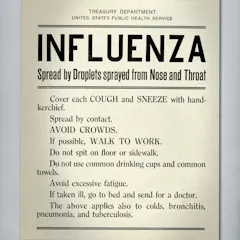
How politicians and the public in Denver, Colorado handled the 1918 flu epidemic is relevant to today.
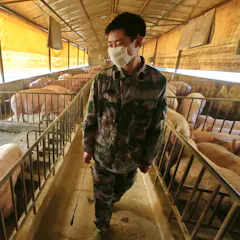
A new set of swine flu viruses have been discovered that are highly adapted to infecting humans – and they’re already spreading among farm workers in China.

It’s much more likely your child’s symptoms are caused by a common respiratory virus than COVID-19. But it’s important to follow testing guidelines and keep them home if they’re unwell.
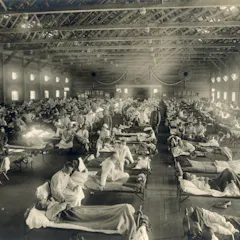
A century ago, the influenza pandemic killed about 50 million people. Today we are battling the coronavirus pandemic. Are we any better off? Two social scientists share five reasons we have to be optimistic.
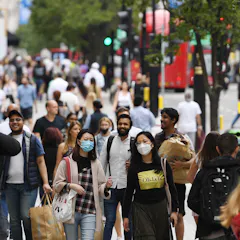
There is no evidence that COVID-19 will occur in waves.
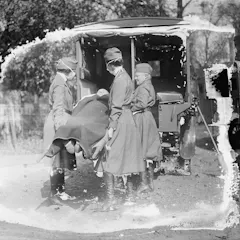
Differences in the viruses’ biology and societal contexts mean there’s no guarantee today’s pandemic will mirror the ‘waves’ of infection a century ago.

A potential vaccine for coronavirus is undergoing a human trial in Australia. It’s based on a vaccine that was already in development for influenza, and has shown promise in animal studies.
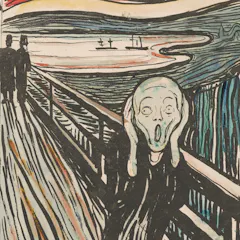
Artist Edvard Munch depicted despair provoked by disease in turn-of-the-century works. In these coronavirus times, his iconic image speaks to our anxieties about illness and societal collapse.

Early research has pointed to a link between severe illness with COVID-19 and vitamin D deficiency. But there’s more to the story.

CC BY-NC-ND5.32 MB (download)
Thinking about getting the flu shot? This may help you decide.

The flu vaccine will not protect you from getting COVID-19. But it will help avoid unnecessary doctors’ visits and protect vulnerable groups from potentially more severe disease.

Early evidence from Japan suggests protective measures against COVID-19 may also be protecting us against influenza.
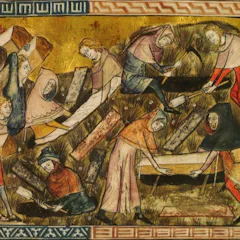
The 14th century Black Death pandemic catalysed enormous societal, economic, artistic and cultural reforms in Medieval Europe. Infectious disease pandemics can be major turning points in history.
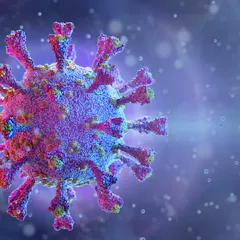
Only a tiny number of viruses are able to make the jump from animals to humans.
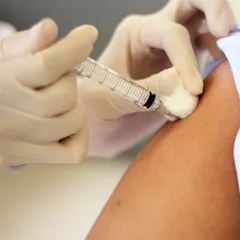
Yes, there’ll probably be fewer flu cases this year. But getting your flu jab anyway will limit transmission further, and may result in fewer flu cases ending up in our already strained hospitals.
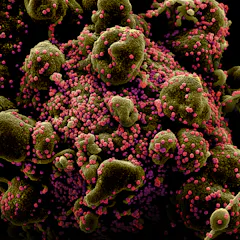
The new coronavirus, SARS-CoV-2, spreads faster than the H1N1 influenza virus and is much deadlier. SARS-CoV-2 is particularly skilled at keeping cells from calling out for help.
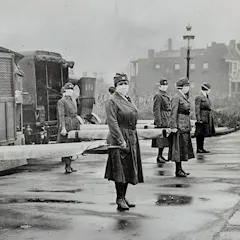
Australia has had more than 100 years to get its pandemic public health messaging right. Here’s what we have and haven’t learnt from the 1918 influenza pandemic.

Strict quarantine measures have been shown to be more effective in reducing the spread of COVID-19 than closing schools.
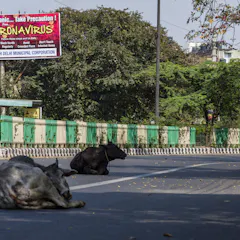
Could the 1889-1890 pandemic have been the result of cow coronaviruses jumping to humans?
Top contributors
-

Professor of Infectious Diseases, Monash University
-
Professor of Global Biosecurity, NHMRC L3 Research Fellow, Head, Biosecurity Program, Kirby Institute, UNSW
-
Paediatrician, Infectious Diseases Physician and Clinical Microbiologist, The Kids Research Institute Australia, The University of Western Australia
-
Deputy Director, WHO Collaborating Centre for Reference and Research on Influenza
-
Hon Prof, Dept of Child & Adolescent Health, University of Sydney
-
Professor of Nursing, Purdue University
-
Lecturer, Biomedical and Life Sciences, Lancaster University
-
Medical Epidemiologist at the National Institute of Communicable Diseases and Lecturer at the School of Public Health, University of the Witwatersrand
-
Professor (Adjunct) in Infectious Diseases Epidemiology, Australian National University
-
Professor Emerita of Biology, Indiana University
-
Professor of Public Health, Bond University
-
Assistant Professor, Texas A&M University
-
Catedrático de Microbiología. Miembro de la Sociedad Española de Microbiología (SEM), Universidad de Navarra
-
Virologist, The University of Queensland
-
Professor in Mathematical Biology, The University of Melbourne