
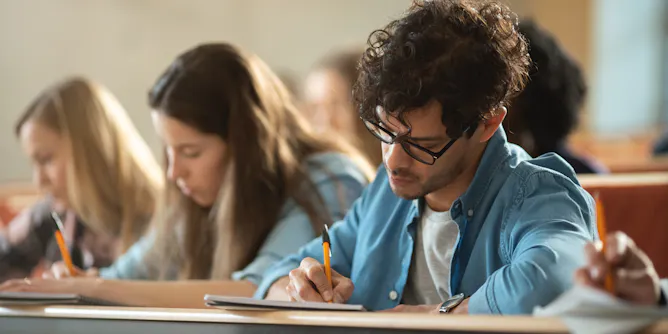
As Latin American communities continue to grow, universities must teach students about Latin America and Latinx communities in interdisciplinary ways.
Articles on Inequality
Displaying 261 - 280 of 1186 articles
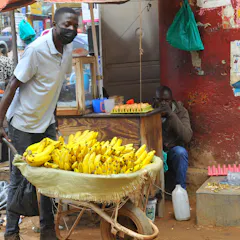
Lockdown measures may stop the spread of the virus. But they can also lead to a larger and more protracted public health crisis in the form of deprivation and hunger.

The new coalition government must act quickly to address the kingdom’s massive socio-economic problems, and restore faith in democracy.

The United States has more economic inequality than other wealthy nations.
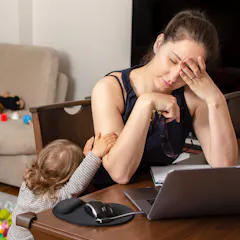
Poorer Australians have shorter life expectancies and are more likely to live with long-term health conditions than their wealthier peers.
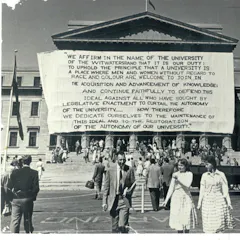
The 1986 research revealed that a large proportion of the community members surveyed thought that Wits served mainly white, corporate interests.
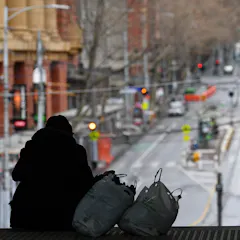
Review chaired by Peter Shergold found that while the pandemic affected us all, its “burden was not shared equally”.

If governments fail to take action, the cost of living crisis will worsen the impact of the pandemic this winter, and vice versa.
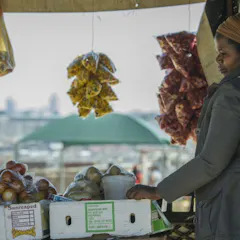
An unfunded expansion of the social transfer system could lead to even worse economic outcomes — the medicine should not be worse than the disease.
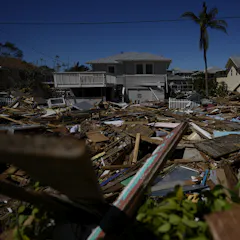
Research on Hurricane Harvey found that flood insurance and strong social networks were key factors in determining how quickly people recovered, regardless of socioeconomic status.
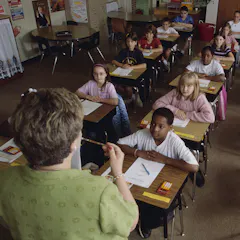
Two education researchers say one of the most widely used terms in school reform debates should be retired because of its potential to do more harm than good.
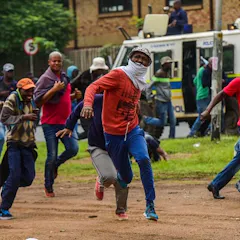
Scapegoating immigrants will not result in significantly improved healthcare service provision, reduced crime or less unemployment.
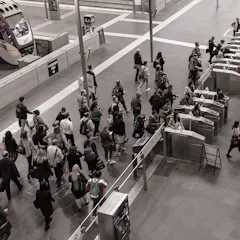
The first interim report of the Commission’s five-yearly productivity inquiry glosses over inequity.
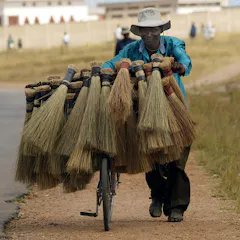
Skills training in Zimbabwe excludes students from poor backgrounds. The informal sector should be used as a training ground for them.
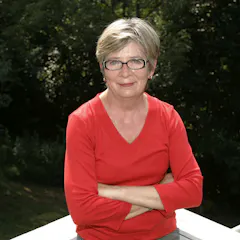
The author, who died Sept. 1, 2022, inspired countless researchers to probe the injustices working people face.
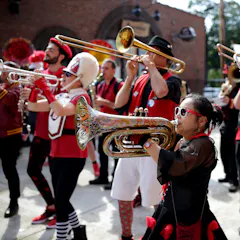
Organizers across the US are finding innovative grassroots strategies for helping people thrive. Many of these ventures emphasize working together as part of communities and collective systems.
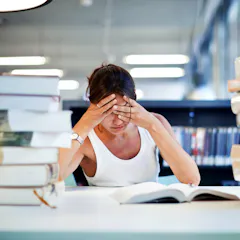
Universities must help this cohort of students transition into higher education.
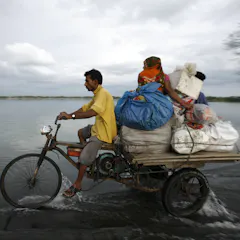
When climate change is used to explain migration, social inequality is naturalised.
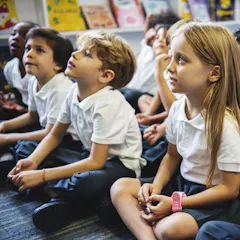
Children from poorer backgrounds do worse at every stage of the education system.

Amid the global threats posed by climate change, spiralling energy costs, insecure employment and widening inequality, the need to rethink our notion of progress is now an urgent priority.
Top contributors
-

Pro Vice-Chancellor, Climate, Sustainability and Inequality and Director, Southern Centre for Inequality Studies, University of the Witwatersrand
-
Professorial Fellow, University of Canberra
-
Professor of Political Studies, University of Johannesburg
-
Professor of Social Development Studies, University of Johannesburg
-
Professorial Fellow, Jumbunna IHL, University of Technology Sydney
-
Professor, Crawford School of Public Policy, Australian National University
-
Senior Researcher, Southern Centre for Inequality Studies, University of the Witwatersrand
-
Visiting Senior Fellow in History, UNSW
-
Part-Time Professor of Economics, The New School
-
Emeritus Professor, Department of Political Economy, University of Sydney
-
Program Director, Housing and Economic Security, Grattan Institute
-
Distinguished Reserach Professor, Southern Centre for Inequality Studies, University of the Witwatersrand
-
Senior lecturer, University of Edinburgh
-
Halford Mackinder Professor of Geography, University of Oxford
-
Extraordinary Professor, Department of Political Sciences, University of Pretoria