
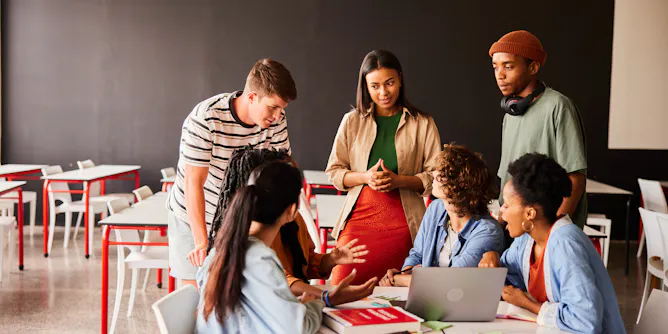
It is crucial to cultivate teachers who are socially aware and critical, especially in today’s unequal society
Articles on Inequality
Displaying 201 - 220 of 1186 articles
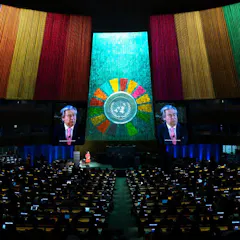
Our research shows the world is not on track to achieve any of the Sustainable Development Goals. But with decisive action, we can still achieve a fairer, more sustainable and prosperous future.

You may feel little sympathy for people in the top bracket of earnings, but don’t let that stop you reading. Like it or not, their views and actions matter to everyone

Armed police interventions are unconstitutional and incapable of addressing housing and safety in the inner city.
Business bosses appear reluctant to take part in open debate about their firms’ contribution to growing regional inequalities.

Women’s representation in Zimbabwe’s parliament has declined in spite of a quota imposed in 2013.

Taxing consumption that contributes to climate change hits the poor the hardest, while overlooking the huge profits tied to greenhouse gas emissions.
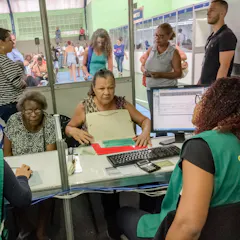
In different parts of the world, managing debt on a day-to-day basis is a real job, and one that is mainly taken on by women.
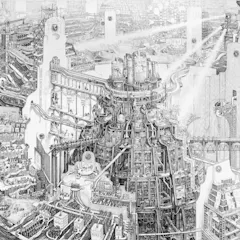
Far from the idea of “trickle-down economics”, a map illustrates how the waterworks of the financial system are parching certain sections of the real economy and producing vast inequality.
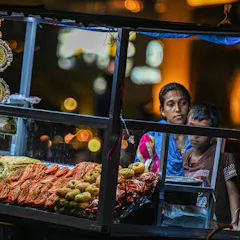
Almost two-thirds of low-income countries are at risk of debt distress – in part because of higher borrowing costs. And that isn’t the only problem.

Research shows that inflation is not the same for everyone, and neither are its effects.

The new wellbeing framework, set to be released, has five broad themes and about 50 indicators treasury will track over time. Our new book shows how important but difficult measuring wellbeing can be.
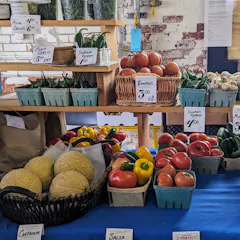
Many people are experiencing the sticker shock of higher prices at grocery stores. But the amount we pay for food often does not reflect the real social, environmental and human costs of production.

Tuberculosis is a preventable and curable disease, yet before the pandemic, it killed more people than any other infectious disease.
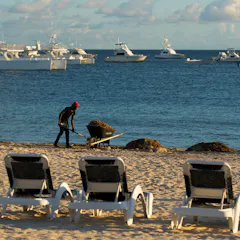
Why some countries seem to benefit from tourism and others don’t.
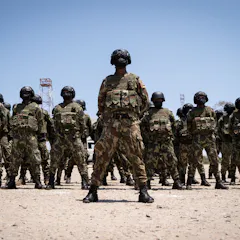
In parts of Nigeria and Mozambique, the central governments and state institutions are either absent or unable to address the dire socio-economic conditions and related instability.
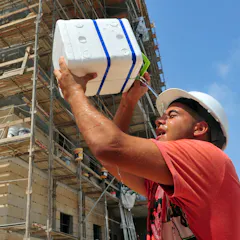
Tackling poverty can protect people from rising heat extremes in Britain and abroad.

While most heterosexual couples are dual-earners, super rich couples continue to have gender-traditional arrangements in which the man is the sole breadwinner.
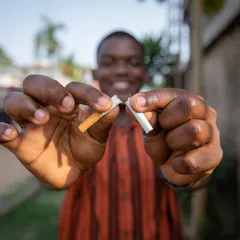
In low-income countries, tobacco use is often associated with lower income and less education. These users can’t afford to pay for counselling and medication.
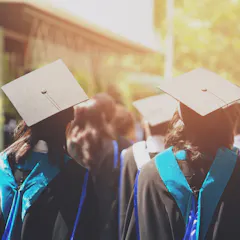
Decades of research shows how the higher education system has failed to give Australians a “fair go”. How can we move from good intentions to long-overdue change?
Top contributors
-

Pro Vice-Chancellor, Climate, Sustainability and Inequality and Director, Southern Centre for Inequality Studies, University of the Witwatersrand
-
Professorial Fellow, University of Canberra
-
Professor of Political Studies, University of Johannesburg
-
Professor of Social Development Studies, University of Johannesburg
-
Professorial Fellow, Jumbunna IHL, University of Technology Sydney
-
Professor, Crawford School of Public Policy, Australian National University
-
Senior Researcher, Southern Centre for Inequality Studies, University of the Witwatersrand
-
Visiting Senior Fellow in History, UNSW
-
Part-Time Professor of Economics, The New School
-
Emeritus Professor, Department of Political Economy, University of Sydney
-
Program Director, Housing and Economic Security, Grattan Institute
-
Distinguished Reserach Professor, Southern Centre for Inequality Studies, University of the Witwatersrand
-
Senior lecturer, University of Edinburgh
-
Halford Mackinder Professor of Geography, University of Oxford
-
Extraordinary Professor, Department of Political Sciences, University of Pretoria