
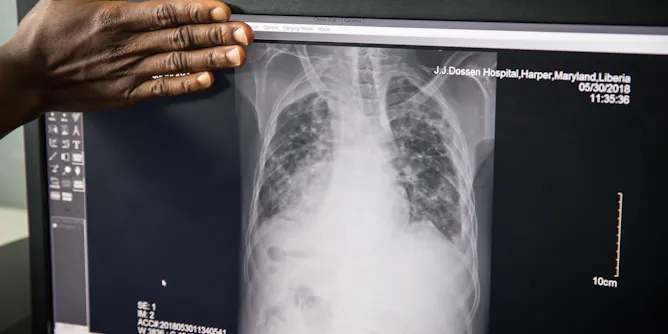
Seven African countries have managed to reduce TB deaths by a third.
Articles on Industrial Revolution
Displaying 21 - 40 of 74 articles
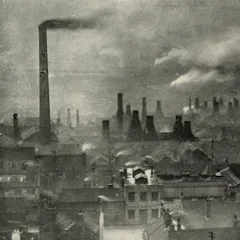
Scientists have been debating the start of the Anthropocene Epoch for 15 years. I was part of those discussions, and I agree with the vote rejecting it.
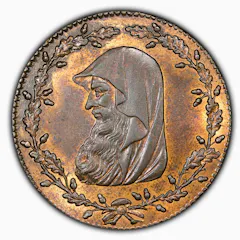
A Welsh mining company was the first to issue tokens to workers as an alternative form of payment.

Elon Musk says wanting to work from home is unethical when not all workers can do it. Here’s why this argument is wrong.

Despite the association of ‘Luddite’ with a naïve rejection of technology, the term and its origins are far richer and more complex than you might think.

Evidence in Earth’s natural archives, from tree rings to seafloor sediments, points to one trend. Some climate models suggest another.

The idea that human activity threatens nature, and that it is important to protect wild places, dates back to the dawn of the Industrial Revolution.
A schooling reform project is taking lessons from innovative high schools and educators in New Zealand, Southern California and Canada to make schooling more relevant for students today.
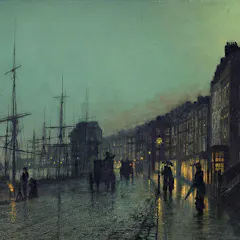
Women in the textile factories of 19th-century Glasgow faced terrible working conditions. In fighting for their rights, they prepared the ground for feminists today.

The wildfires of the past were as fierce, deadly and eerily similar to the ones we have today. And we have yet to learn to live with them.
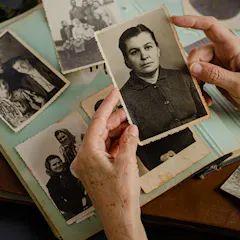
Understanding how our ancestors may have benefited from industrialisation and colonialism could help us become more climate-friendly citizens.

Lawyers were thought to be mostly immune from the coming AI revolution, but two legal experts explain why jobs that rely on human ingenuity can still be affected.

Sweden electrified at the turn of the 20th century, leading to over 8,000 work stoppages – but the strikers were no Luddites.

Artificial intelligence is supported by an infrastructure of hardware and software that is growing increasingly present in our lives, yet remains hidden in plain view.
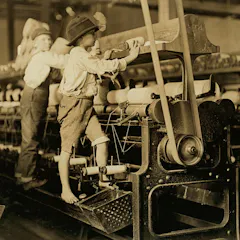
More than a fifth of US children were working in 1900, and many Americans saw nothing wrong with that. It took decades of activism and court battles plus economic upheaval to change course.

Nigeria’s education system must embrace artificial intelligence technologies to join the fourth industrial revolution.

The pagans paved the way for our modern festivities.
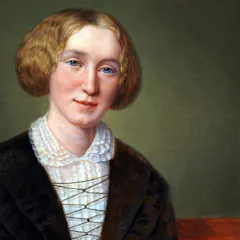
Born the same year as Queen Victoria, Eliot faced similar life choices to many young women today

As early as the 1860s the twin diseases of modernity – overwork and sleeplessness – became the focus of cultural anxieties.
The design of the global money game is the real antagonist in the fight against climate change. But the call to arms tends to be directed at the players who have had best luck with the dice.
Top contributors
-

Adjunct professor, UNSW
-
Chief Scientist, Australian Antarctic Division and Professor of Climate Science, Australian National University
-
Research Professor, Hertfordshire Business School, University of Hertfordshire
-
Honorary Associate Professor of Climate Science, The University of Melbourne
-
Historian, Swansea University
-
Lecturer, School of Agriculture, Food and Ecosystem Sciences, The University of Melbourne
-
Professor of Environmental Humanities, University of Kent
-
Halford Mackinder Professor of Geography, University of Oxford
-
Professor of Computer Science, Rice University
-
Professor, Environmental Futures & Securing Antarctica's Environmental Future, School of Earth, Atmospheric and Life Sciences, University of Wollongong
-
Professor of Political Theory, University of Bristol
-
Senior Teaching Fellow, Management Science & Innovation, UCL
-
Lecturer in the School of Nursing and Healthcare Leadership, University of Bradford
-
Honorary Fellow, School of Social and Political Sciences, The University of Melbourne
-
Associate Professor of Music, University of Pretoria