
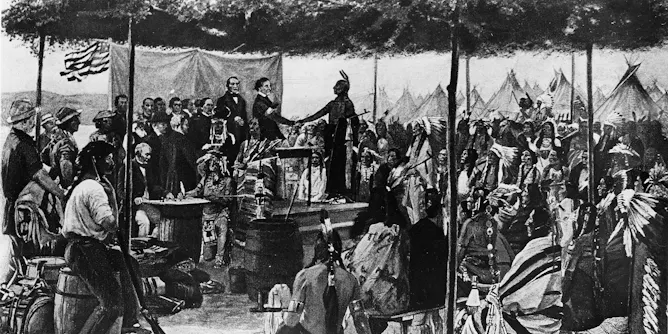
Native American lands contain 30% of the nation’s coal, 50% of its uranium and 20% of its natural gas, as well as copper, lithium and rare earth elements.
Articles on Indigenous treaties
Displaying all articles

The disputes raise questions about the region’s economy and environment, as well as national priorities over energy, water, climate and Indigenous rights.
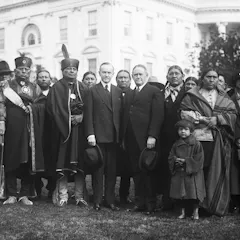
The Osage murders of the 1920s are just one episode in nearly two centuries of stealing land and resources from Native Americans. Much of this theft was guided and sanctioned by federal law.
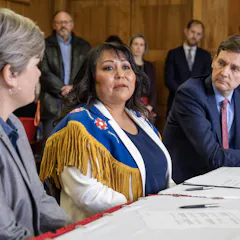
New agreements in B.C. provide economic compensation for land restoration activities to several First Nations and limit new oil and gas development projects.

The passage of laws in Alberta and Saskatchewan granting police greater powers and weapons are seen as a direct attempt to stifle protests by Indigenous Peoples.
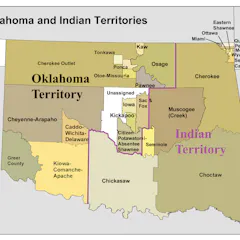
Land in what is now eastern Oklahoma, which was granted to the Creek Nation by Congress in 1833, is still under tribal sovereignty, the Supreme Court ruled.

A recent historical win for Ontario First Nations against the government of Canada is as significant for the legal process, which took into account Anishinaabe law, as it is for the win itself.
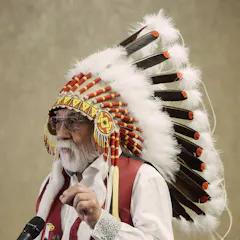
Rather than the duty to consult, governments should proactively engage with Indigenous treaties or other locally relevant treaties, agreements, laws and relationships at all stages of law-making.
Top contributors
-

Associate Professor, Peter A. Allard School of Law, University of British Columbia
-
Assistant Professor, University of Alberta
-
Executive Director, Shared Path Consultation Initiative; Doctoral student, Faculty of Environmental Studies, York University, Canada
-
Assistant Professor, Faculty of Law, University of Windsor
-
Indigenous Governance Program Manager and Professor of Practice, University of Arizona
-
Associate Professor, Faculty of Law, University of Windsor
-
Professor of Law and Adjunct Professor of Political Science, Wayne State University
-
Assistant Professor, Law, University of Windsor
-
Assistant professor in Indigenous Governance, École nationale d'administration publique (ENAP)
-
Professor in History, University of Birmingham
-
Professor of Practice & Engagement, School for Environment & Sustainability; Director of the University of Michigan Water Center, University of Michigan