
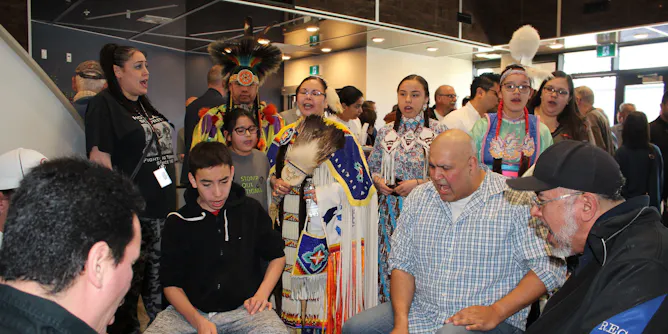
For University of Winnipeg’s inner-city studies department, remote learning has disrupted the dialogue that is critical for moving from truth toward reconciliation and action.
Articles on Indigenous education
Displaying 21 - 40 of 86 articles

A large study shows preschool benefits Aboriginal children’s development more than childcare or being taken care of at home. But the benefits of preschool are not as large as for non-Aboriginal kids.

The tertiary qualifications target requires higher education providers, schools and communities to work together. But higher education can also help close the gap in the other target areas.
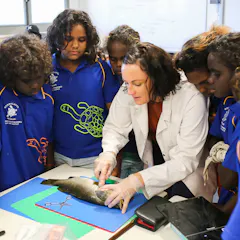
Archaeologists had some questions about an ancient Aboriginal site. So they involved the community and local school kids on their search for answers.
Programs for Indigenous young men’s education are funded at a higher rate than for young women. There is little rigorous evaluation for these programs, and what evidence there is isn’t Indigenous-led.
Strong language and culture is listed among the fresh Closing the Gap targets. But, as the latest research on speakers and learners shows, language is fundamental to well-being across the board.

The new closing the gap targets are ambitious, especially in the area of early childhood education. But this doesn’t mean they can’t be met, with the right approach.
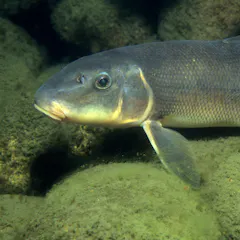
Children in an Oji-Cree northern First Nation are learning traditional teachings about ‘Namebin’ (suckers) and working on literacy skills at the same time through a community literacy project.
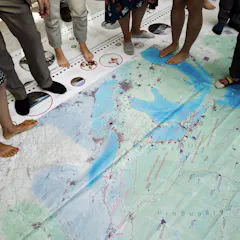
Decolonized education means working with settler teachers to overcome guilt and find the courage to acknowledge privilege, racism and colonialism to work in partnership for a better future.
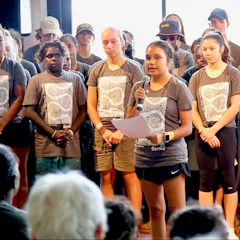
A group of school students have just shown what real leadership looks like on Indigenous issues – and you’ll hear more about their ideas in coming months at your local school, childcare centre or uni.
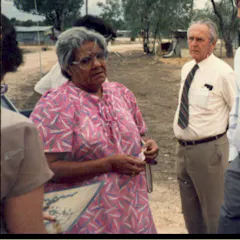
Denied an education in 1930s Australia because she was too black, Isabel Flick went on to fight segregation at her local cinema in the early 1960s. She became a powerful campaigner for Indigenous rights.

The program we’ve developed led to a 96% completion rate for one group of Aboriginal TAFE students.
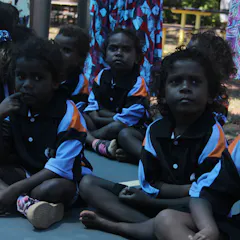
When it comes to teaching Indigenous students, Australia could learn much from New Zealand.

Flexischools appear to be doing Indigenous education better than mainstream schooling. To close the gap in education, we should look at what these schools are doing and apply it in the mainstream.
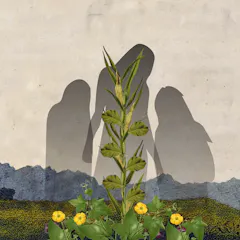
Innovative teaching resources in the province of Manitoba, Canada, introduce schoolchildren to concepts of interdependence and reciprocity with the land.
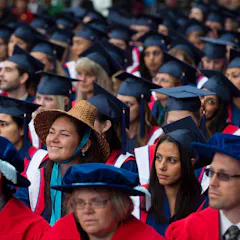
Wilful under-funding of Indigenous education is producing an Indigenous underclass.
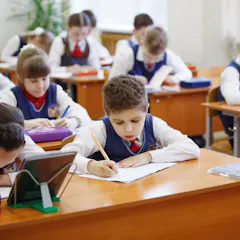
While we may need to rethink how we use NAPLAN, it is an important and useful tool for researchers and policy makers.

Education systems around the world are increasingly recognising the value of local approaches to thinking, learning and being.

The role of universities in the shameful Indian residential school system needs to be addressed. The president of one of Canada’s leading universities explains why it’s time to apologize.

Where else but on the sports field can an under-educated and even a troubled Aboriginal youth achieve celebrity status and social mobility?
Top contributors
-

Professor, Principal Research Fellow & Deputy Head of School, School of Education, The University of Queensland
-
Professor, School of Education, University of Southern Queensland
-
Professor of Economics and Public Policy, ANU College of Arts and Social Sciences, Australian National University
-
Senior Fellow, National Centre for Indigenous Studies, Australian National University
-
Professor, Faculty of Creative Industries, Education and Social Justice, Queensland University of Technology
-
Indigenous policy analyst & researcher, Australian National University
-
Associate Professor, Office of the Deputy Vice-Chancellor (Indigenous Engagement) and School of Education, The University of Queensland
-
Lecturer in Indigenous Education, The University of Queensland
-
Deputy Vice-Chancellor (Indigenous Engagement), The University of Queensland
-
School Education Program Director, Grattan Institute
-
Adjunct Professor, Stout Research Centre, Victoria University of Wellington and Auckland University of Technology, Professor of Political Science, Charles Sturt University
-
ARC DECRA Fellow, Australian National University
-
Professor of Linguistics, Yale University
-
Associate Professor, Faculty of Education, The University of Melbourne
-
Pro Vice Chancellor Indigenous, University of New England