
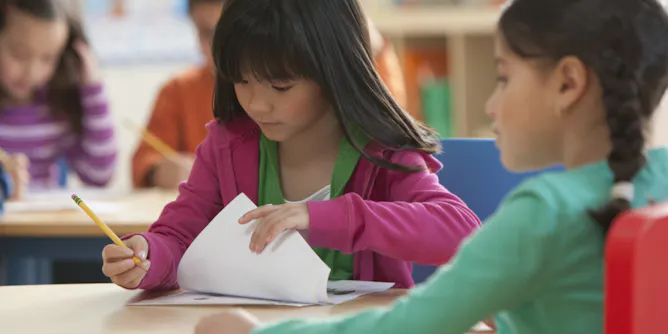
Students from the Philippines, China and India consistently achieve better results at school than their Australian-born counterparts. This is due to a number of factors, including parents’ values.
Articles on Indigenous education
Displaying 41 - 60 of 86 articles
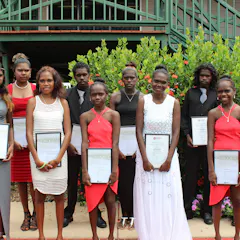
When it comes to increasing Indigenous Australians’ participation in higher education, we could take a leaf from our neighbour’s book.
A greater focus on education in all aspects of Aboriginal and Torres Strait Islander life would advance tangible and sustainable change.
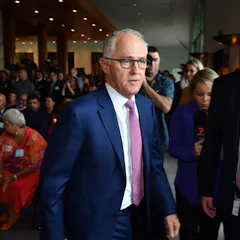
The failed and continually failing political leadership on respect, relationships and reconciliation sets back the quality of current and future education for all Australians.
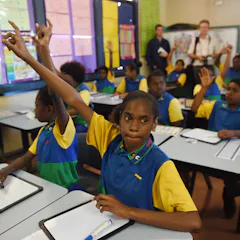
Using equivalent year levels provides us with a clearer picture of the gap for Indigenous students, who can be up to an equivalent of 7.7 years behind their non-Indigenous counterparts in writing.

The year 2017 is finally coming to an end, so here’s a wrap of our coverage for the year, with bonus quiz!
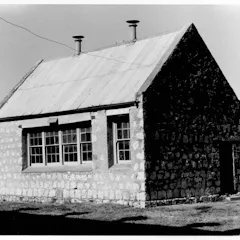
Schooling has historically been used to control Indigenous peoples, rather than to liberate or educate them.
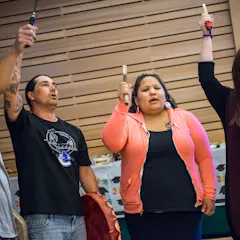
The gap between academic achievement for Indigenous and non-indigenous learners is growing. First Nations education authorities could provide a strategic solution.
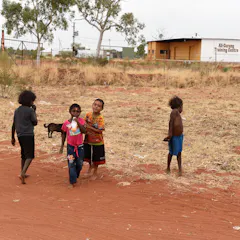
The census mostly delivered a good news story on Indigenous Australian outcomes, but it is unclear to what extent this correlates to improved lives for Indigenous families.
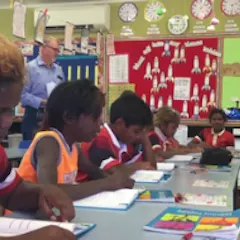
Research shows many concepts are best learned in the language that the learner understands.
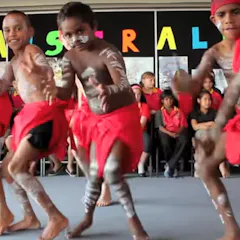
For the past 30 years, this Indigenous owned and controlled school has been quietly achieving results. Here’s what the school board president says is behind their success.
If the government is to continue to spend millions toward sending Indigenous children away to boarding school, we need research into how effective this model is, and its impact on communities.
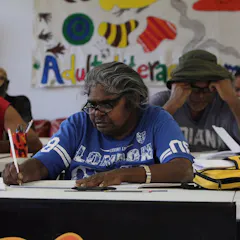
The children who are least likely to attend school regularly – and do well – grow up in households where the adults themselves have very poor literacy skills.
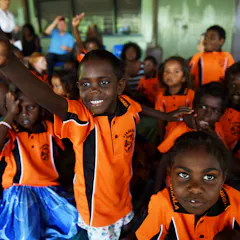
Indigenous peoples have very little power when it comes to education policy. Goals, targets and strategies are instead set by the government.
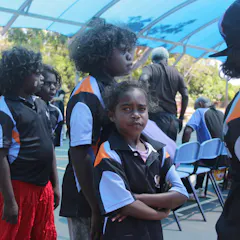
Indigenous students who graduate from university have slightly higher full-time employment prospects than their non-Indigenous peers.
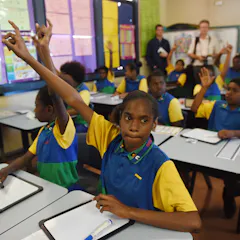
Teachers – get to really know your kids, their families, their community and its history, and what’s going on at home. While school policies are important, relationships are the real keys to success.
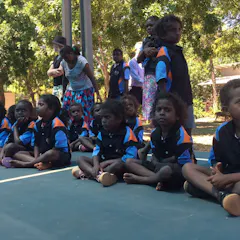
Focusing on the opportunity to learn gap removes the emphasis from locating “the problem” in the person, and turns our attention to the differences in access to educational resources.

Chair of the Prime Minister’s Indigenous Advisory Council, Warren Mundine, told Q&A that $30 billion is spent every year on 500,000 Indigenous people in Australia. Is that right?
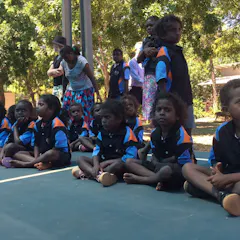
Australia’s appalling record of equity in education has once again been confirmed in the latest Closing the Gap report. Prime Minister Malcolm Turnbull announced the report’s dismal findings present an…
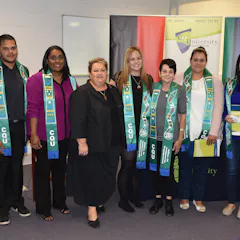
If we’re serious about closing the gap in Indigenous education, our new research shows the value of building better bridges into universities and vocational education.
Top contributors
-

Professor, Principal Research Fellow & Deputy Head of School, School of Education, The University of Queensland
-
Professor, School of Education, University of Southern Queensland
-
Professor of Economics and Public Policy, ANU College of Arts and Social Sciences, Australian National University
-
Senior Fellow, National Centre for Indigenous Studies, Australian National University
-
Professor, Faculty of Creative Industries, Education and Social Justice, Queensland University of Technology
-
Indigenous policy analyst & researcher, Australian National University
-
Associate Professor, Office of the Deputy Vice-Chancellor (Indigenous Engagement) and School of Education, The University of Queensland
-
Lecturer in Indigenous Education, The University of Queensland
-
Deputy Vice-Chancellor (Indigenous Engagement), The University of Queensland
-
School Education Program Director, Grattan Institute
-
Adjunct Professor, Stout Research Centre, Victoria University of Wellington and Auckland University of Technology, Professor of Political Science, Charles Sturt University
-
ARC DECRA Fellow, Australian National University
-
Professor of Linguistics, Yale University
-
Associate Professor, Faculty of Education, The University of Melbourne
-
Pro Vice Chancellor Indigenous, University of New England