
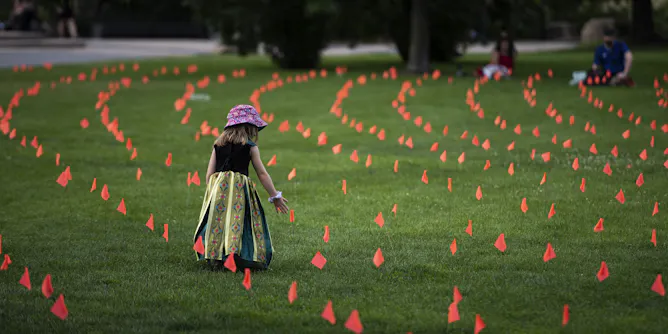
Canadians who wish to pay tribute to the children who died at Indian Residential Schools should demand the government stop fighting First Nations children in court.
Articles on Indigenous children
Displaying 21 - 32 of 32 articles

Canadians need to understand the basic harms and violences that continue to be experienced by Indigenous people across the land we call Canada.

Ground-penetrating radar located the remains of 215 First Nations children in a mass unmarked grave, revealing a macabre part of Canada’s hidden history.
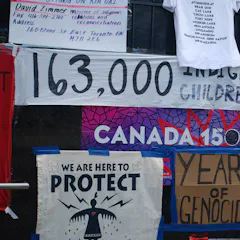
Focusing on the needs of Indigenous children means that foster care must be community-based and emphasize the importance of family and connections.
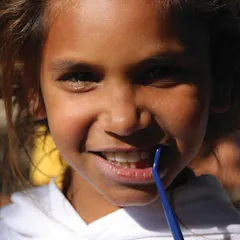
Indigenous children have poor oral health compared to Australian kids overall. Our research shows involving local Aboriginal people in designing and providing services can make a difference.
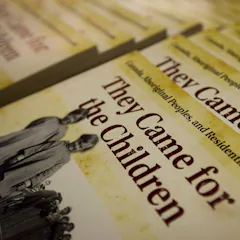
To make meaningful progress on the Truth and Reconciliation Commission of Canada’s Calls to Action, all provinces and territories should promptly follow B.C. and ban discriminatory ‘birth alerts.’
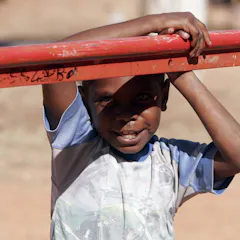
Almost half of Aboriginal kids living remotely will have a school sore at any one time. But there aren’t enough of the right antibiotics to treat them.
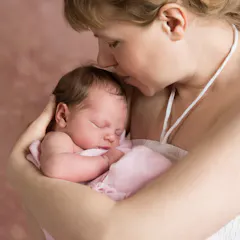
New research shows that having a child in foster care is often harmful to a mother’s mental and physical health.
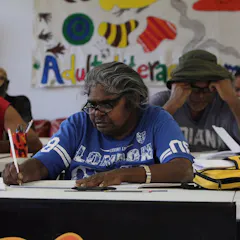
The children who are least likely to attend school regularly – and do well – grow up in households where the adults themselves have very poor literacy skills.
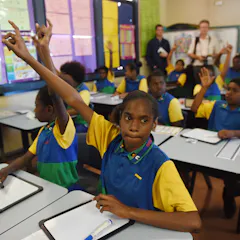
Teachers – get to really know your kids, their families, their community and its history, and what’s going on at home. While school policies are important, relationships are the real keys to success.
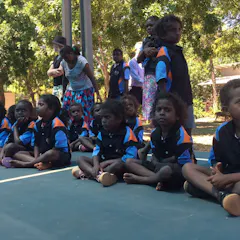
Focusing on the opportunity to learn gap removes the emphasis from locating “the problem” in the person, and turns our attention to the differences in access to educational resources.
A New Zealand literacy program is helping to raise Indigenous achievement to mainstream levels.
Top contributors
-

Director, Indigenous Initiatives, MacEwan University
-
Associate professor, McGill University
-
Associate professor, Faculty of Law, L’Université d’Ottawa/University of Ottawa
-
Assistant Professor in the Department of Community Health Sciences, University of Manitoba
-
Indigenous policy analyst & researcher, Australian National University
-
Professor of Indigenous Education, The University of Melbourne
-
Lecturer, Faculty of Health Sciences, Australian Catholic University
-
Director for consultancy business Awakening - Cultural Ways, Indigenous Knowledge
-
Associate Professor of Religious Studies and Theological Studies, Conrad Grebel University College, University of Waterloo
-
Research Associate, University of Sydney
-
Associate Professor, Departments of History and Indigenous Studies, University of Manitoba
-
Associate Professor, Political Science and Director of the Centre for Transitional Justice and Post-Conflict Reconstruction, Western University
-
Professor of Social Work; Leneen Forde Chair in Child & Family Research, Griffith University
-
Associate Professor, Indigenous Studies, UNSW ; Macquarie University
-
Emeritus Professor of Literacy Education, Te Kunenga ki Pūrehuroa – Massey University