

Students with disability are experts in themselves and their needs. But we found they are often not consulted by their teachers about what helps them at school.
Articles on Inclusive education
Displaying 21 - 40 of 69 articles
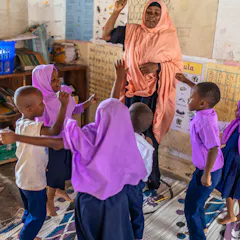
Professional learning communities are a space for teachers to discuss their teaching methods and their immediate realities.
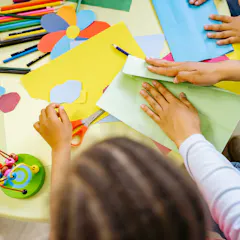
In new research, we spoke to parents who have children at special schools. They told us they value the individual support and smaller classrooms.
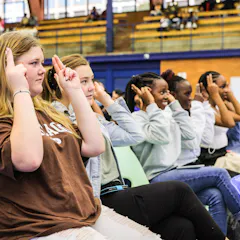
This is an opportunity for Deaf people to finally be properly educated in a language they understand.

Guided by policy, practice and relationships with students, families and communities, teachers are charged with helping all students thrive. To suggest otherwise is disturbing.
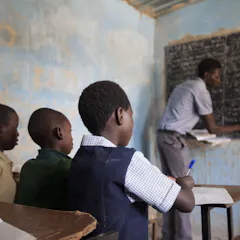
Ubuntu is a concept that emphasises the importance of including everyone and building a strong community.
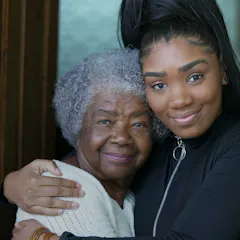
As a researcher focussed on African, Afro-Caribbean and Black families’ schooling experiences, I appeal to school staff to understand the importance of the school-family-community partnership.

Listening for events like black hole collisions is important in astronomy research – and the technology is only getting better.

Universities can support mature students by addressing stigma and ageism, creating a sense of community and adapting programs to suit their multiple roles.
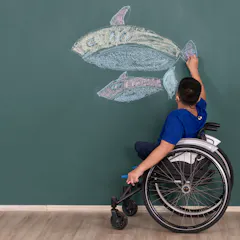
Almost 90% of students with disability go to mainstream schools but an increasing number are going to special schools.
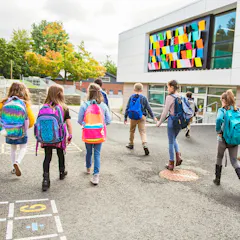
Those who oppose inclusive teaching content often claim to be representing parents’ views. The evidence from a large national survey of parents shows those claims are very wrong.
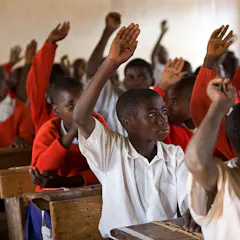
To achieve quality and inclusive education, Tanzania should prioritise disadvantaged and marginalised children in schools.

Inclusive education has been promoted since the 1970s. But research shows children with disabilities are still excluded from school activities and sports in particular
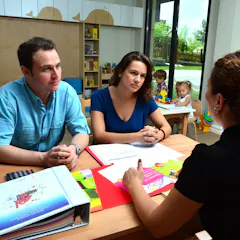
Individual education plans (IEPs) should be created by a team of professionals in collaboration with parents. If a child’s IEP is inaccurate, their learning needs won’t be met.
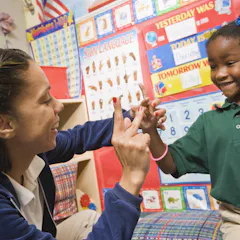
Schools and universities are embracing and promoting the use and teaching of South African Sign Language but more still needs to be done.

For a learner to be the best and to win awards, their peers must lose. This expense is far too great to ignore in a country fraught with inequalities.

South Africa’s inclusive education policy currently under review must address the hindrances preventing children with disabilities from effectively access education in mainstream schools.
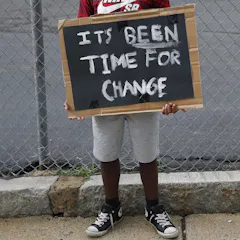
Two scholars of inclusive education explain how segregated Black schools advocated for Black children in a way that’s often missing from today’s desegregated classrooms.
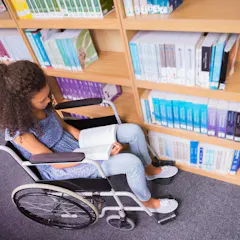
Students with disability continue to face dire exclusion in education and there is an urgent need to provide inclusive education for them.

Being age-friendly is not just a matter of responding to the needs of Australia’s ageing population. It will benefit all students and the university as a whole.
Top contributors
-

Head AAT & EdTech, UCL
-
Professor and Director of the Centre for Inclusive Education, Queensland University of Technology
-
Lecturer, Australian Catholic University
-
Associate Professor in Inclusive Education and Arts Education, Australian Catholic University
-
Post-Doctoral Research Fellow, SARChI in Higher Education and Human Development Research Group, University of the Free State
-
Associate professor, Associate Director Children's Voices Centre, Macquarie University
-
Senior Lecturer in Special and Inclusive Education, RMIT University
-
Associate Professor, School of Education, University of Southern Queensland
-
Professor of Inclusive Education, L’Université d’Ottawa/University of Ottawa
-
Senior Lecturer in Psychology, University of the Sunshine Coast
-
Researcher in Inclusive Education, Monash University
-
Senior lecturer, University of Sydney
-
Associate Professor, Deakin University
-
Professor, Stellenbosch University
-
Canada Excellence Research Chair in Health Equity and Community Wellbeing; Professor, School of Disability Studies, Toronto Metropolitan University