

If these findings are confirmed in humans, it could have implications for treating many diseases where the immune system becomes overactive.
Articles on Immune function
Displaying all articles

A recent study has found women aged 40-54 had the greatest risk of developing long COVID.

A THC-like substance that occurs naturally in humans and other vertebrates helps maintain immunity, memory, nerve function and more – and research suggests a lack of it can harm health.
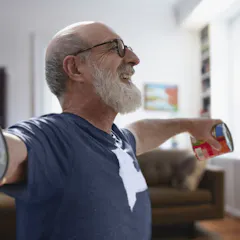
Older adults, who are at a higher risk for COVID-19 complications, can strengthen their immune systems by exercising.

Time changes make many people feel tired, irritable, and unable to sleep.
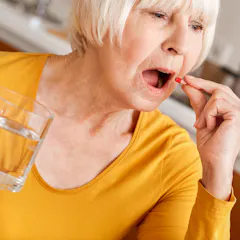
These drugs may help slow or reverse immune system decline.
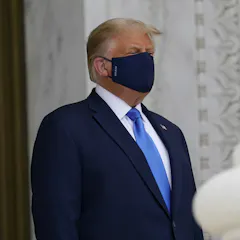
Older coronavirus patients face grimmer outlooks. A virologist explains the aging-related changes in how immune systems work that are to blame.
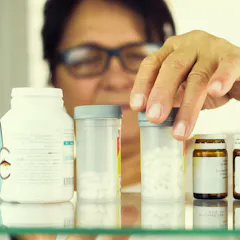
Some people’s immune systems aren’t able to stop foreign invaders, such as COVID-19, as well as the rest of the population. There are many reasons for this, including illness, medications and age.

Though it was previously thought vigorous exercise could suppress immune function, research shows that most forms of regular exercise can help your immune system to work its best.

Sleep supports our immune function and helps us deal with stress. During this uncertain time, making sleep a priority is more than self-care – it’s essential.
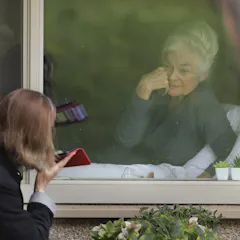
Different demographics are more or less vulnerable to serious complications from the coronavirus. A virologist explains the aging-related changes in how immune systems work that are to blame.
Top contributors
-

Associate Professor of Microbiology, Immunology & Pathology, Colorado State University
-
Research Fellow, The University of Queensland
-
Lecturer, University of Bath
-
Senior Research Fellow; Rheumatology Research Group, Centre for Inflammatory Diseases, Monash University
-
Senior Lecturer, Department for Health, University of Bath
-
Professor, Center for Molecular and Behavioral Neuroscience, Rutgers University - Newark
-
Professor of Pathology, Microbiology and Immunology, University of South Carolina
-
Senior Research Fellow, Child Health Research Centre, The University of Queensland
-
Professor of Biogerontology, University of Brighton
-
Postdoctoral Fellow, Center for Molecular & Behavioral Neuroscience, Rutgers University - Newark
-
Professor, The University of Queensland
-
Fitness/Wellness Research Coordinator for the Rutgers Aging Brain Health Alliance, Rutgers University - Newark
-
Research Fellow, Centre for Inflammatory Disease Monash Health, Monash University
-
Professor of Pathology, Microbiology and Immunology, University of South Carolina
-
Reader in Inflammation and Vascular Biology, University of Birmingham