
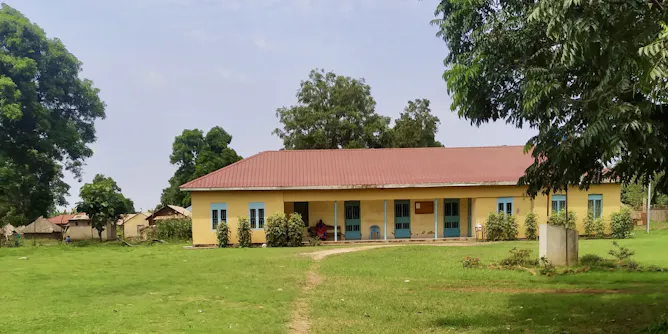
What explains civil servants’ decision to remain in a bankrupt administration during challenging times?
Articles on Hyperinflation
Displaying 1 - 20 of 26 articles
Economist Can Cinar talks to The Conversation Weekly podcast about how Javier Milei’s policies to cut inflation are making Argentinians feel poorer.
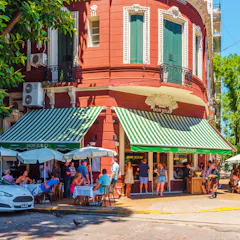
Rampant inflation and stagnant wages have led to a record low in the level of Argentina’s beef consumption.
Without governance reforms, Zimbabwe will continue to face an economic crisis.
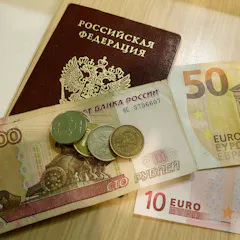
The idea: to use the credit channel by making foreign banks bear the consequences of the devaluation of the Russian currency.
The US central bank said surging inflation is guiding its decision about when to lift interest rates. Two experts on financial markets explain what might happen next.

Inflation is rising at the fastest pace since Ronald Reagan was president.
After weeks of mulling, Biden decided to give Powell another term as Fed chair, which means he will have more influence over the trajectory of inflation than anyone else.
The average price of US goods and services surged in April, leading some to worry the economy is beginning to experience dangerously high levels of inflation. A scholar explains why that’s unlikely.
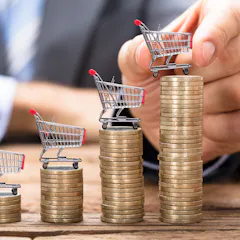
Massive stimulus plans combined with rising production costs could lead to expectations that inflation will rise. And that alone could trigger an inflationary spiral not seen in 25 years.

Stringent restrictions could stifle innovation among mobile money operators and hinder access to financial services.
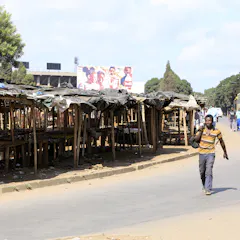
The current lockdown in Zimbabwe is going to provide a stern test for its informal economy, which is the country’s dominant economy and employs 90% of people.

Robert Mugabe’s years of playing one group off against the other to favour himself finally wore too thin in 2017.
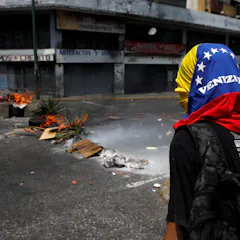
For one, you can’t break an economy that’s already broken.
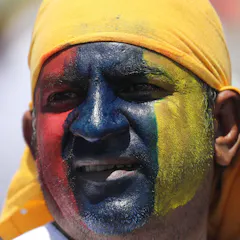
The world’s most oil-abundant nation is heading for energy consumption levels not seen since the 1990s.

Venezuela’s hyperinflation has been caused by an inept public policy of printing more money and private individuals making the most of differences between official and unofficial exchange rates.
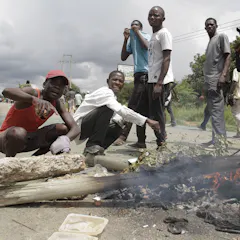
President Emmerson Mnangagwa’s decision to double the price of petrol shows very poor judgement and bad leadership.
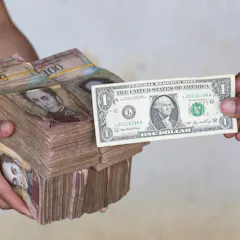
When poorer countries print more money, it doesn’t make them richer – it just means people need more money to buy the same things.
President Trump has been attacking the Fed’s current policy of slowly raising interest rates. A former central bank official explains why that’s so troubling.

While many market observers blame growing concerns about inflation for the stock market crash, the real culprit may be fears that the economy is about to slow.
Top contributors
-

Professor of Finance, North Carolina State University
-
Professor of FinTech History and Global Trade, Northumbria University, Newcastle
-
Academic Specialist, Latin America, The University of Melbourne
-
Visiting Faculty in Economics, Emory University
-
Senior Lecturer in Sport Management, Deakin University
-
Associate professor, University of Juba
-
Founding Director of Program on Intrastate Conflict, Harvard Kennedy School
-
Associate Professor, Universidad Central de Venezuela
-
Associate Professor of Business, Boston University
-
Lecturer International Political Economy, University of Glasgow
-
Associate Professor of Sociology & Director of the Centre for Data Ethics at the Institute for Intelligent Systems, University of Johannesburg
-
Professeur de finance, LEM-CNRS 9221, IÉSEG School of Management
-
Associate Professor of Economics, University of South Carolina
-
Professeur d'économie, ESSEC
-
Scholar-in-Residence in the Social Responsibility and Sustainability Division, University of Colorado Boulder