
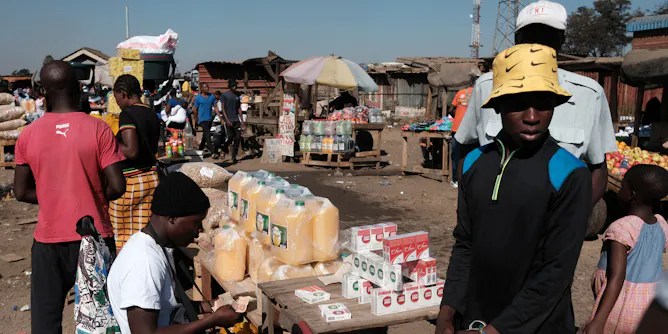
Economic crises since the 1990s led to a sharp rise in Zimbabwe’s informal economy, hence some call the country a nation of vendors.
Articles on Zimbabwe crisis
Displaying 1 - 20 of 37 articles
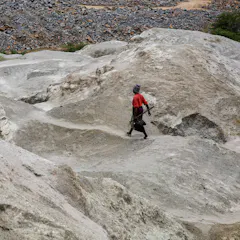
In Zimbabwe it was believed that if a woman went underground the gold seam would vanish, but above ground women held spiritual power over mines.
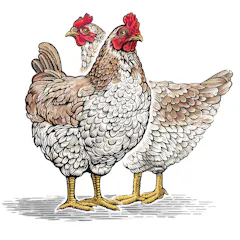
Mambo’s Chicken regularly uses chicken breasts and thighs to objectify women. What does that say about men?

Chipo’s story gives the perspective of a parent forced to leave a young child behind to provide for him.
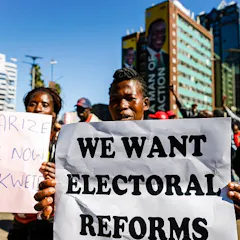
Zimbabwe’s 2023 elections look like their predecessors: stolen. But this one is a bit different. Opposition strategies and regional responses have changed too. What does this mean for the future?

Nelson Chamisa defines himself as a social democrat who believes in providing substantial welfare to support healthcare and basic education.
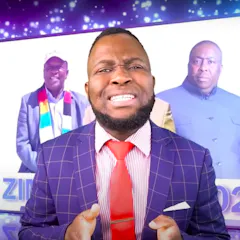
Taffy Theman and Bustop TV are YouTubers who use comedy to criticise the ruling elite.
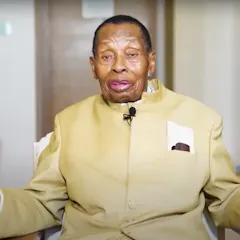
He helped found a church with three million followers in 168 countries, a hospital, a university and several schools.

Novelist Petina Gappah’s call for translators on Facebook has resulted in the publication of Chimurenga Chemhuka.

The Zimbabwe Exemption Permit gave holders the right to live and work in the country but did not grant them the right to permanent residence.
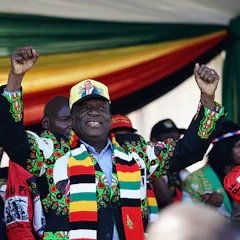
Zanu-PF’s anti-American rhetoric is not only deployed to win friends abroad. As elections approach, it is also a prominent campaign tactic at home.
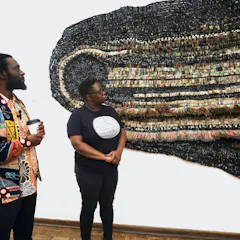
Using found materials from dump sites, the large scale works examine the residues of colonialism.

In his music, he positions himself within the people’s struggles and identifies with them.
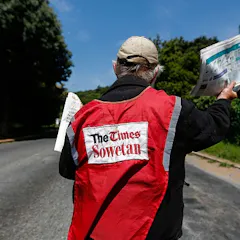
Skewed reportage on the land debate contributes to entrenching the injustices of colonialism and apartheid.
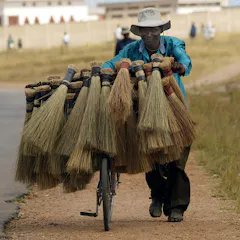
Skills training in Zimbabwe excludes students from poor backgrounds. The informal sector should be used as a training ground for them.

As Zimbabwe heads for 2023 presidential elections, there are key things voters should watch out for in the social protection promises made by candidates.
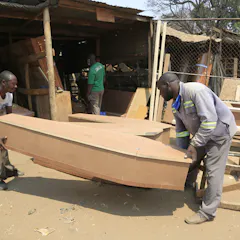
Informal sector organisations in Zimbabwe have the potential to influence politics at a personal and societal level.
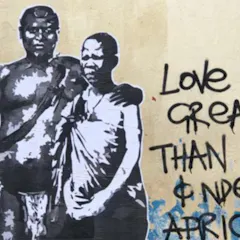
The unity between Zimbabwe’s two main ethnic groups is so fragile that even an inspirational street mural can expose it.

The ANC retains its determination to rule yet lacks the capacity to do so effectively. The only way out of the dilemma is its defeat in an election.
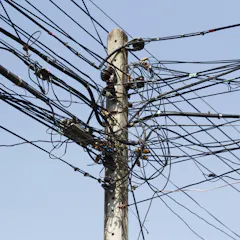
When policymakers reduce electricity scarcity to a few factors like theft and vandalism, to be solved with technology and stiff penalties, they miss other factors that contribute to electricity theft.
Top contributors
-

Research Associate, Dept of Anthropology & Development Studies and Fellow, Clare Hall, University of Cambridge, University of Johannesburg
-
Lecturer in Politics and International Relations, University of Leicester
-
Lecturer, University of the Free State
-
Associate Professor of Sociology & Director of the Centre for Data Ethics at the Institute for Intelligent Systems, University of Johannesburg
-
Research Fellow, International Studies Group, University of the Free State
-
Assistant Professor, Harvard University
-
Leverhulme Early Career Research Fellow, University of Edinburgh
-
Professor of Sociology, University of the Witwatersrand
-
Assistant Professor, Africana Studies, Wellesley College
-
Lecturer in Economics, University of Venda
-
Senior Research Associate, University of Johannesburg
-
PhD student, Psychology, University of the Witwatersrand
-
Scholar-in-Residence in the Social Responsibility and Sustainability Division, University of Colorado Boulder
-
Professor, University of Johannesburg
-
Professor (Human Geography), University of Zululand