

COVID-19 prevention measures are at odds with guidelines for healthy development of children’s immune systems. The result may be a cluster of youth with more allergies, asthma and autoimmune disease.
Articles on Hygiene hypothesis
Displaying all articles
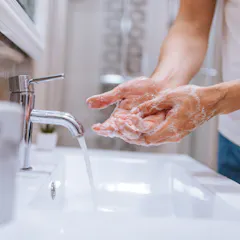
We’re cleaning and washing our hands perhaps more than we ever have before. But suggestions that all this this extra hygiene could weaken our immune systems are unfounded.

For most of the twentieth century, we were at war with microbes, leading to substantial changes in our body’s ecosystem. This has changed our diets, disease profile, moods and even personalities.
Food poisoning or allergies – which to go for.
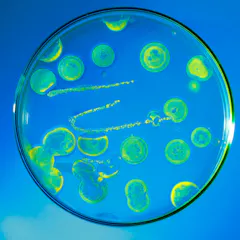
Understanding the bugs in our lungs could help treat certain diseases, including asthma.
Being too clean isn’t what’s making us sick. It’s the loss of biodiversity in the bacteria and organisms that live in our bodies and work with the immune system.

Allergies are reactions caused by the immune system as it responds to environmental substances that are usually harmless. But we don’t yet have a cure or the ability to prevent them from developing.
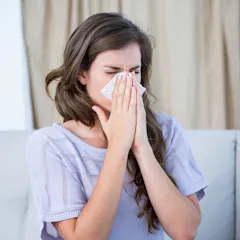
Most people who report allergies don’t actually have them – and there are other things you may find surprising.

Having older siblings and a dog that lives in the home could reduce the likelihood of infants developing egg allergies, according to a new study published in the latest edition of the journal Allergy…
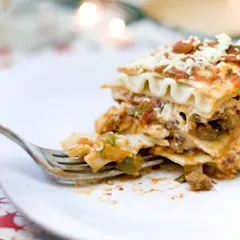
The Neolithic Revolution introduced a whole range of new foods and proteins into the human digestive tract. But this phenomenal change created the perfect conditions for the rise of coeliac disease. While…
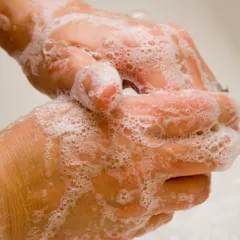
Could our obsession with cleanliness in our homes be working against us? Advertisers fetishise germ-free kitchens and bathrooms where the threat of “harmful bacteria” is always lurking but can be eradicated…
Top contributors
-

Laboratory Head, WEHI (Walter and Eliza Hall Institute of Medical Research)
-
Professor of Immunology, University of Sydney
-
Professor of Genetic Epidemiology, King's College London
-
Associate Professor of Surgery, Duke University
-
Honorary Professor, London School of Hygiene & Tropical Medicine
-
Post Doctoral researcher - Experimental and Translational Respiratory Medicine Research Group, University of Newcastle
-
Senior Staff Specialist in Paediatric Allergy and Immunology at John Hunter Children's Hospital Newcastle NSW Conjoint Lecturer in Paediatrics, University of Newcastle
-
Staff Specialist General Paediatrician at John Hunter Children's Hospital, Newcastle, Australia. Conjoint Lecturer & PhD student, University of Newcastle
-
Evidence and Translation Lead, National Allergy Centre of Excellence; Chief Investigator, Centre of Food Allergy Research; Associate Professor and Group Leader, Childhood Allergy & Epidemiology Group, Child Health Research Centre, The University of Queensland
-
Professor&Chair of Paediatrics | HMRI, University of Newcastle, Australia | Senior Staff Specialist Paediatric Respiratory&Sleep Medicine | John Hunter Children's Hospital, Australia, University of Newcastle
-
Senior Lecturer in Psychology, The University of Melbourne
-
PhD candidate, The University of Western Australia
-
Dean of the Faculty of Medicine and Health Sciences, University of Nottingham
-
Senior Lecturer; MD, Victoria University
-
Associate Professor of Viral Immunology, Department of Pathobiology, University of Guelph