

A toothbrush, some toothpaste and a few minutes of care can prevent a life‑threatening infection. That’s rare in modern medicine.
Articles on Hospital infections
Displaying all articles

The current US health care system burdens doctors with heavy patient loads, more administrative work and additional off-hour demands. Doctor-patient interactions suffer as a result.
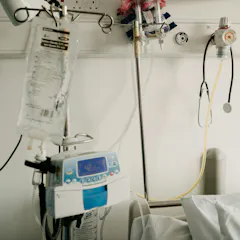
A new study has found improving cleaning practices in hospital could make a big difference. Here’s what the researchers did.

Hepatitis B can lead to liver disease. But we can prevent and manage this viral infection. Here’s what we know about the latest health alert.

One in ten people experience harm associated with their hospital care, such as medication errors, infections, or a deterioration that isn’t managed properly.
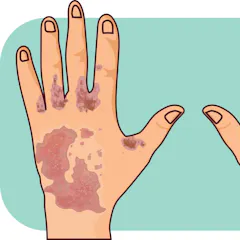
Scabies is caused by an infestation of tiny mites under the skin.

Most infection prevention guidelines center on the hospital environment rather than the patient. But the source of antibiotic-resistant microbes is often from the patient’s own body.

Up to 20% of Australians admitted in hospital say they have a penicillin allergy. But not everyone who thinks they’re allergic to penicillin actually is.

While ‘The Last of Us’ is a dramatic projection of a deadly fungal outbreak, it is based, if not in reality, in logic. And it’s a reminder that fungal infections are growing more resistant.

A deep clean involves cleaning objects or surfaces that may not be routinely cleaned, such as walls, ventilation ducts, curtains, carpets, and hard-to-reach places.
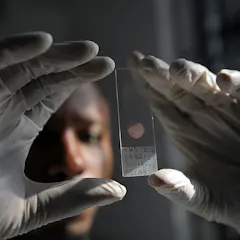
Having the right equipment is not enough – getting health workers to use it is also a challenge.

Former President George H.W. Bush was hospitalized for sepsis, which can be serious. Just what is this disease that accounts for one-third of all hospital deaths? A speed read explains the dangers.

Australia does not have a national system that collects data on hospital acquired infections. But new research has shed light on how many do occur each year across the country.

Manuka honey could prevent serious urinary tract infections caused by catheters – tubes used to drain patients’ bladders, new laboratory research has found.
Top contributors
-

Professor of Nursing and Health Services Research, University of Newcastle
-
Professor of Infectious Diseases, Monash University
-
Professor, Director of Research, Nursing and Midwifery, Monash University
-
Assistant Professor of Anesthesiology, School of Medicine, University of Washington
-
Professor of Health Economics, Global Health Economics Centre, London School of Hygiene & Tropical Medicine
-
Professor of Biochemistry and Biomedical Sciences, McMaster University
-
Assistant Professor in Internal Medicine, University of Michigan
-
Clinical Immunologist & Allergist, Immunopathologist and Senior Lecturer, UNSW
-
Research Fellow, London School of Hygiene & Tropical Medicine
-
Associate Professor, University of Michigan
-
Postdoctoral fellow, UNSW
-
Senior Lecturer/Program Advisor, Griffith Graduate Infection Prevention and Control Program, Griffith University
-
Honorary Professor, Australian Institute of Health Innovation, Macquarie University
-
Professor of Health Systems Research and Founding Director, Australian Institute of Health Innovation, Macquarie University
-
Senior Lecturer in Microbiology, Western Sydney University