
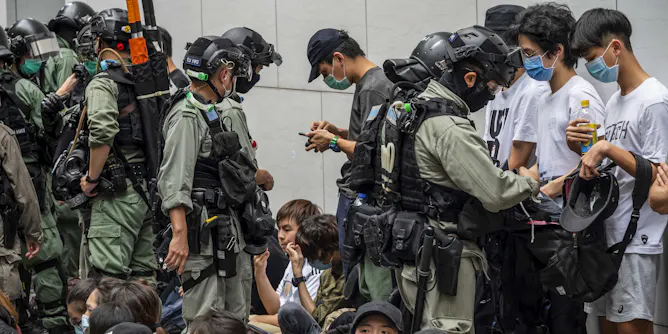
The decision of China’s ruling council to impose a national security law on Hong Kong goes against the territory’s own mini-constitution.
Articles on Hong Kong protests
Displaying 21 - 40 of 60 articles
US President Donald Trump says he’ll respond ‘very strongly’ if China follows through with its draft national security law in Hong Kong. Beijing, though, is prepared for a potential new cold war.
Improving the China-Canada diplomatic relationship is fraught with hurdles, but it’s not impossible. At minimum, we must understand the root cause of the problem from multiple vantage points.
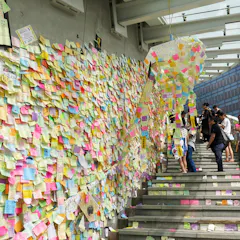
First seen in Prague in 1980, a form of public protest and free expression has spread throughout Hong Kong and around the world.
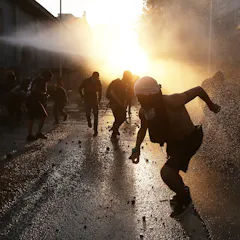
What shape will global protests take in the 2020s?
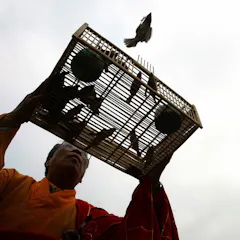
Hong Kong protesters deeply identify with nature, a reference to the current environmental crisis but also a fluid conception of collective action that is inscribed in ancient Chinese tradition.
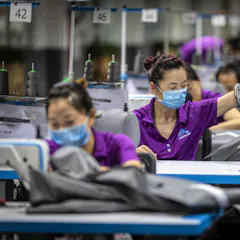
So far, New Zealand exporters have not been affected by the trade war between the US and China, but the Hong Kong crisis could easily embroil any foreign company.
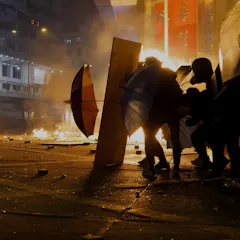
Revolutions are built not on deep misery but on rising expectations. History may not provide much hope of immediate change in Hong Kong – but protesters may have a longer view.
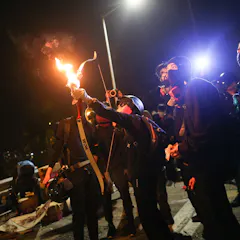
How the protest movement in Hong Kong moved onto university campuses – by two researchers who have witnessed the unfolding events.
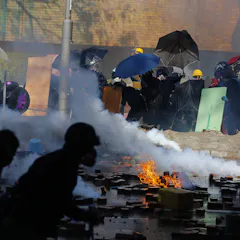
After months of respecting the boundaries of university campuses, the Hong Kong police moved in to make arrests. Now, protesters are defending what had once been sanctified spaces.
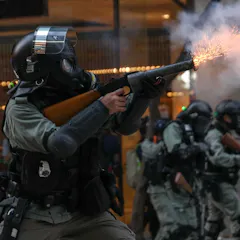
Two deaths and video of a police man shooting a protester have hardened attitudes of Hong Kongers against the police.
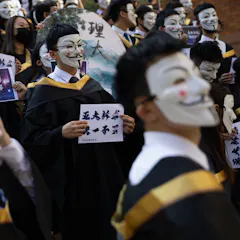
From Chile to Lebanon and Iraq to Hong Kong, the same masks have become a common language to register dissent.
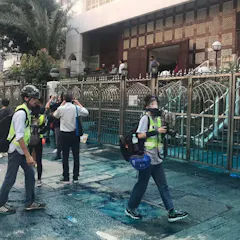
When police sprayed Kowloon Mosque with blue dye during protests, the people of Hong Kong rallied again to help clean it up.
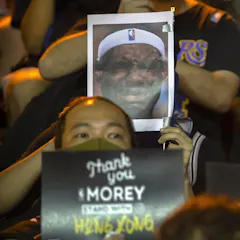
Protest, or the lack of it, can reveal one’s priorities and values. In failing to stand up to China, LeBron James and the NBA told us something about theirs.
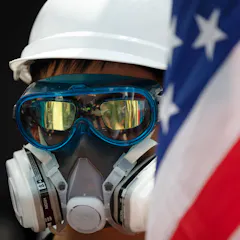
A bill making its way through the US Congress seeks to tighten scrutiny of Hong Kong’s autonomy. But it will do little to resolve the situation.
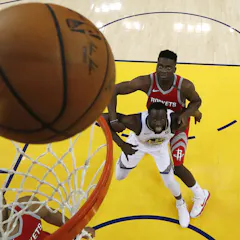
China’s attempts to bully the NBA over political expression might prove to be a lesson in how much the new superpower can throw its weight around.
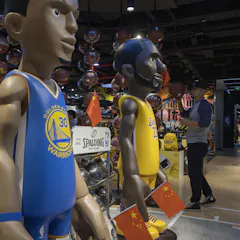
The National Basketball Association’s difficulty dealing with a tweet in support of Hong Kong protesters shows the challenges of having values and expanding into new markets.

The majority of students from China come to Australia to learn English and be exposed to a different culture. This helps them get a competitive edge over graduates in their home country.
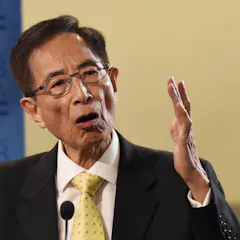
Lee says Hong Kong is up against an emergent Chinese empire and fears violence on both sides will soon spiral out of control.
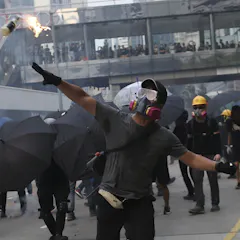
If the protesters can channel their energy in a more lasting, organised way, they may be able to achieve even more than the “five demands”. Could the French Revolution be a source of inspiration?
Top contributors
-

Lecturer in Law & Justice, UNSW
-
Associate Professor in Urban Geography, University of Sydney
-
Formerly Reader, Birmingham Law School
-
Researcher and Teaching Assistant, Sociology Department, Chinese University of Hong Kong
-
Senior Lecturer in Human Geography, Newcastle University
-
Lecturer, Division of Social Sciences, Hong Kong Polytechnic University
-
Associate Professor, City University of Hong Kong
-
Postdoctoral Fellow in Quantum Physics, University of Colorado Boulder
-
Graduate Student, University of British Columbia
-
PhD Researcher, Lau China Institute, King's College London
-
Postdoctoral Researcher, University of Oxford
-
Professor in Public Sociology, Lancaster University
-
Senior Lecturer of Sociology and Social Policy, UNSW
-
Manager, Communications and Program Development
-
Associate professor, Australian National University