
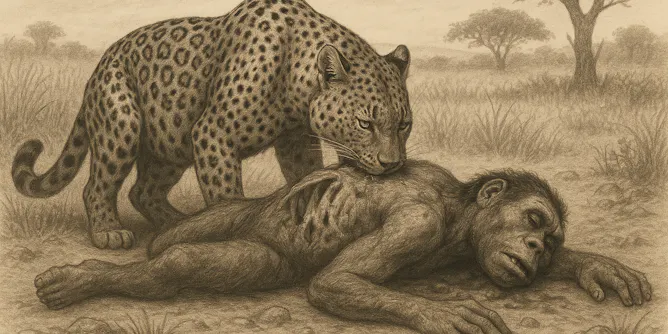
Paleoanthropologists have thought that Homo habilis was the first stone-tool maker and meat-eater in our genus. But new research suggests H. habilis might not have been so advanced.
Articles on Homo habilis
Displaying all articles
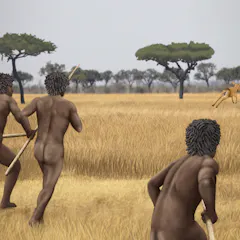
Africa’s large mammal heritage has formed a deep cultural legacy for all of humankind.
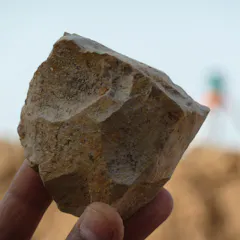
New discovery could be a game changer for archaeology.

Humans butchered a rhino in a remote part of the Philippines 700,000 years ago, but who were they and how did they get there?
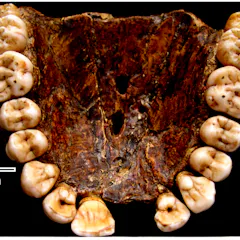
Anthropologists gather clues about how our ancient ancestors lived from their teeth. What will future anthropologists make of us based on the fossilized pearly whites we’ll leave behind?

The way early humans learned to handle food could explain why the majority of people today are right handed.
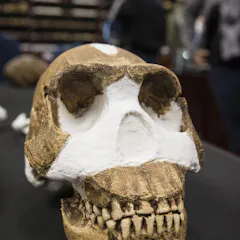
Despite claims about its age, puzzling combinations of features from Homo naledi gives it an uncanny resemblance to human beings.
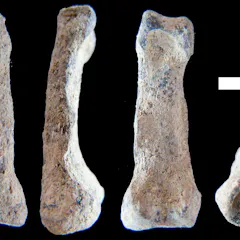
The discovery of the oldest modern human-like pinkie bone suggests that hands emerged very early in human evolution.
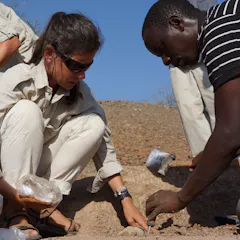
Stone tools excavated in Kenya date back 3.3 million years – making them about a million years older than the oldest known fossils from our own hominid genus Homo. Who made and used these tools?
Top contributors
-

Senior Lecturer in Palaeolithic Archaeology, University of Southampton
-
Professor of Archaeology, Griffith University
-
Professor of Anthropology, The Ohio State University
-
Paleoanthropologist, University of Wisconsin-Madison
-
Adjunct Senior Research Fellow, Department of Archaeology and History, La Trobe University
-
Research Associate Professor of Anthropology, Stony Brook University (The State University of New York)
-
Emeritus Research Professor of African Ecology, University of the Witwatersrand
-
Lecturer of Anthropology and Assistant Director of the Turkana Basin Institute, Stony Brook University (The State University of New York)
-
Professor of Anthropology, Rice University