

Fiona McFarlane’s ‘masterful, complicated’ novel explores the exploitative nature of storytelling. She asks us to consider the truth of the tales we tell about ourselves and our identities.
Articles on Historical fiction
Displaying 21 - 40 of 46 articles
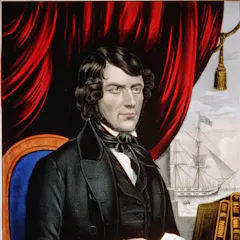
The question behind Tom Keneally’s latest novel is how a political idealist striving for his country’s freedom could end up supporting slavery.
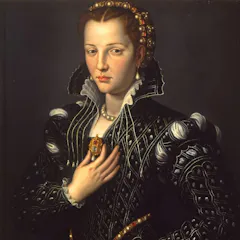
A fictional portrayal of Lucrezia de’ Medici imagines the inner life of a tragic historical figure, but effaces the true complexity of her situation.
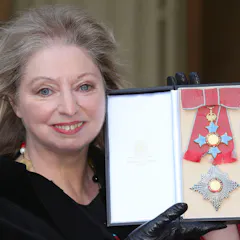
A short guide to the Wolf Hall author’s remarkably varied back catalogue.
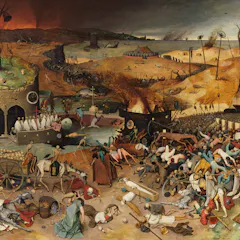
The Gothic horrorshow of Ottessa Moshfegh’s latest novel has sharply divided critical opinion.
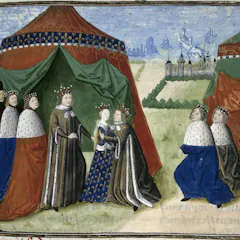
When Stephanie Trigg was a young reader, The Gentle Falcon, set in 1396, introduced her to the beauty and danger of the medieval world.
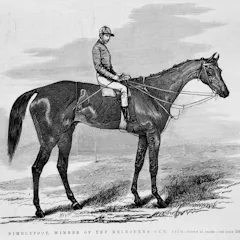
A blend of fact and fiction, Nimblefoot imagines the life of a long forgotten Australian sporting hero.

The Pulitzer Prize winning writer’s latest novel, based on the true story of a champion thoroughbred, represents historical fiction at its best.

A new historical novel, redolent of the masterful writing of Henry James and Charlotte Brontë, explores the themes of loss, alienation and displacement.
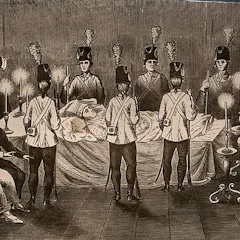
The Nobel Laureate’s new experimental epic is a masterful account of the life of a self-proclaimed Messiah.

Best known for his big historical novels, Scott was also a bestselling poet and a fine short-story writer who brought a vivid portrayal of Scots and Scotland to the world.
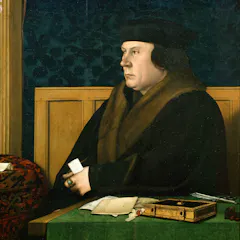
Mantel’s prize-winning novels put imaginary flesh on the skeletal historical record and gives us the complete picture of the Tudor courtier.

A list of 5 great reads for young critical thinkers and the adults in their lives — in time for holiday gift-giving.
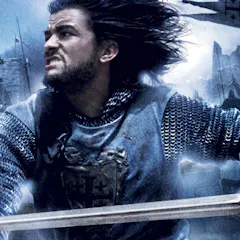
A great movie that gets some of its history wrong is way better than an accurate film that puts people to sleep.
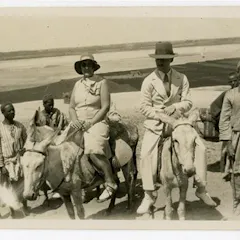
How 4,000-year-old papyrus letters prompted the queen of crime fiction to write Death Comes as the End.

What might be the purpose of historical fiction? Perhaps to the humble and subtle to recognise and pay tribute to lives that came before us.
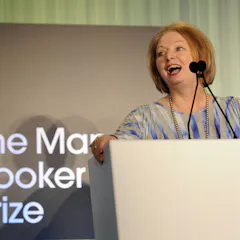
The Booker Prize-winning novelist’s Reith lectures explore the complex relationship between historical fact and fiction.
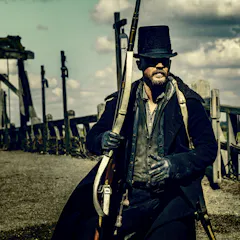
The BBC’s Taboo is a timely reminder of the violent origins of globalisation, but its villains allow the viewer to disassociate imperial misdeeds from mainstream British history.
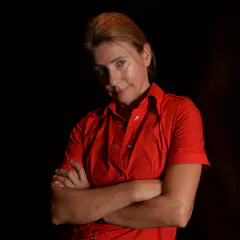
Lionel Shriver’s controversial speech about cultural appropriation has made headlines around the world. But the debate need not be a binary one – novelists might approach characters from other cultures as ‘thoughtful tourists’.
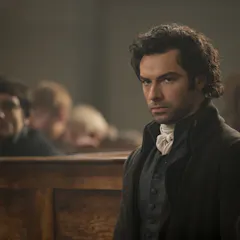
Poldark’s historical consultant on how she mulled over questions such as what an 18th century Cornish bank might look like and whether women would get drunk in taverns.
Top contributors
-

Adjunct Researcher, English and Writing, University of Tasmania
-
Associate Professor, English and Creative Writing, Edith Cowan University
-
Lecturer in Early Modern Literature, Bangor University
-
DCA candidate, University of Technology Sydney
-
Senior Lecturer in Egyptology, University of Manchester
-
Associate Professor in British Colonial History, University of Leeds
-
PhD Candidate, University of the Witwatersrand
-
Associate Professor in History of Art, University of Nottingham
-
Senior Lecturer in Creative Writing, University of New England
-
Senior Lecturer in Early Modern History, University of York
-
Lecturer, University of Portsmouth
-
PhD candidate, Institute of Irish Studies, University of Liverpool
-
Postdoctoral Research Associate, Literature, University of Liverpool
-
Kidman Chair in Australian Studies and Director, JM Coetzee Centre for Creative Practice, Adelaide University
-
Honorary Associate in Creative Writing, The Open University