
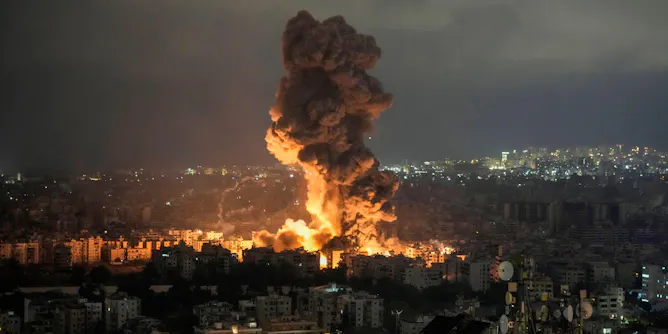
Middle East experts Mireille Rebeiz and Amnon Aran talk to The Conversation Weekly about the recent escalation in the Middle East.
Articles on Hezbollah
Displaying 61 - 80 of 176 articles
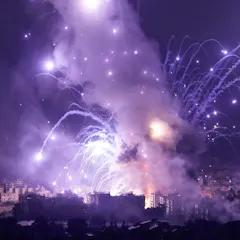
October 7 was a terrible milestone in a conflict that has been raging for nearly eight decades and seems to have no prospect of ending.
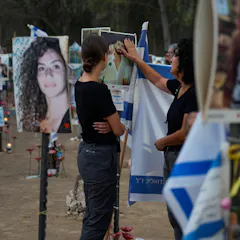
One year on, the sense of grief and hurt from October 7 is still strong.

A year on from the Hamas attacks and Israel’s continued bombardment of Gaza, new fronts of fighting are creating another generation of displaced people across the region.
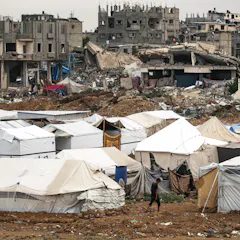
Before Oct. 7, 2023, the Middle East seemed relatively stable. The peace was broken by Hamas’ attack, Israel’s response and expanding regional violence. But the politics have not changed.
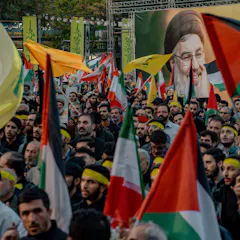
Iran’s ‘axis of resistance’ is looking for Tehran to respond in force as a commitment to regional network of proxies.
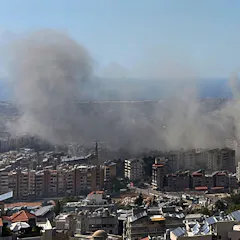
As the ground war in Lebanon heats up, how did it happen and where might it all end up?

Washington has had little luck in its calls for de-escalation in the Middle East. Is America’s ‘ironclad’ support for Israel part of the problem?
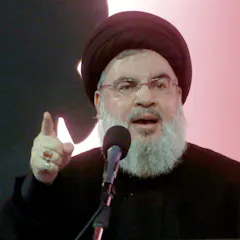
Over the past two decades, the west has begun to present these extrajudicial killings as ‘justice’ with scant regard for international law.
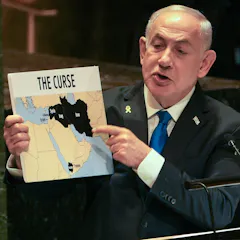
The US is ruling out a strike on Iran’s nuclear facilities, but Israel has other options for retaliation. One thing is clear: a regional war is no longer imminent, it is here.
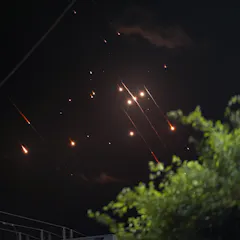
Iran could no longer be seen as sitting on the fence, allowing its proxy allies, Hezbollah and Hamas, to engage with Israel on their own.
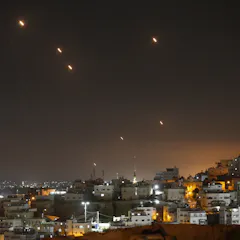
A US counterterrorism expert explains the dynamics between Israel, Iran, Hezbollah and Hamas – and why Hezbollah presents new risks for the US and other places globally.
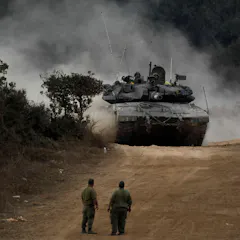
This is the sixth time Israel has mounted a military invasion of Lebanon.
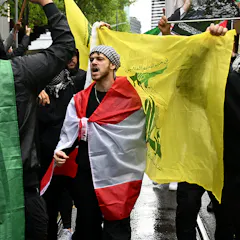
Displays of the Hezbollah flag have raised political passions and debate about the limits to free speech.
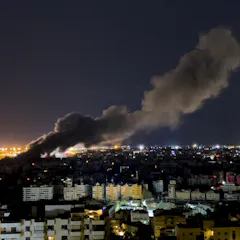
With Israeli troops on the ground in Southern Lebanon, conflict in the Middle East escalates further. But Israel’s tried this before and hasn’t achieved its goals.
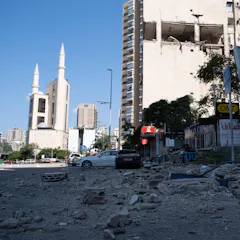
War with Israel could destroy Lebanon’s already fragile economy and political landscape.
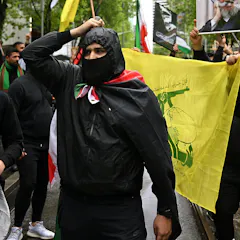
The government has pledged to examine the visa status of protesters who waved Hezbollah flags in Sydney and Melbourne at the weekend, and has also met its pledge to appoint an Islamophobia envoy.
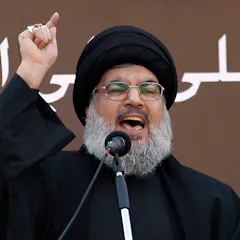
There is now speculation that Israel may invade Lebanon while Hezbollah is in disarray.
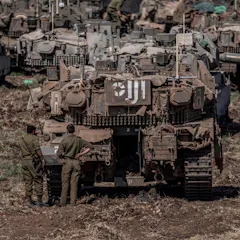
The killing of Hezbollah leader Hassan Nasrallah has left the Lebanon-based militant group leaderless, but history tells us that Israel cannot occupy territory in Lebanon for any sustained period.
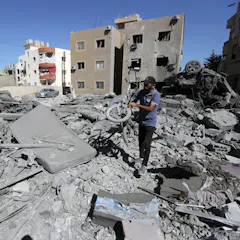
Wars have always required false dichotomies: Christian and Muslim, civilization and barbarism, West and East to justify violence against the other.
Top contributors
-

Director of Dickinson Program in New Zealand & Associate Professor of Politics at the University of Otago, Dickinson College
-
Professor of International Politics, Clinton Institute, University College Dublin
-
Professor of History and Peace Studies, University of Notre Dame
-
Senior Lecturer, Politics & International Relations, Monash University
-
Professor in Sociology, Queen's University Belfast
-
Emeritus Professor of Middle Eastern Studies, Australian National University; The University of Western Australia; Victoria University
-
Professor of International Relations, Lancaster University
-
Professor of Political Science, Sciences Po
-
Associate Professor of Practice of Public Policy, University of Michigan
-
Director, Middle East Studies Forum (MESF), Deakin University
-
Research Scholar, Middle East Studies, Australian National University
-
Assistant Professor of Migration Studies; Director of the Institute for Migration Studies, Lebanese American University
-
Fellow at the Center for Middle East Studies, University of Denver
-
Lecturer in Comparative Politics, Queen's University Belfast
-
Postdoctoral fellow at Queen's University's Centre for International Policy and Defence (CIDP), Queen's University, Ontario