
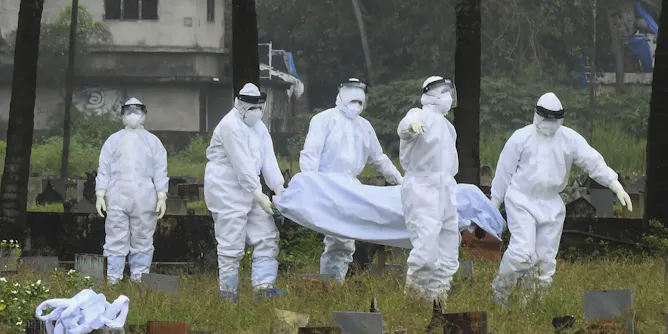
The fatality rate in humans can be between 40% and 75%.
Articles on Hendra virus
Displaying 1 - 20 of 26 articles
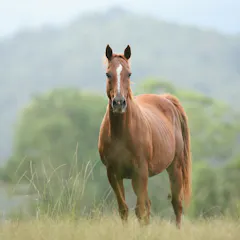
There is no vaccine for humans against Hendra. The virus is severe and can be deadly – but it’s very rare.
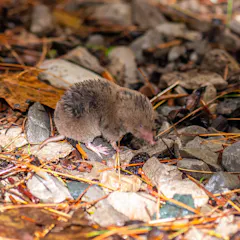
The Camp Hill virus discovered in Alabama is part of a dangerous group linked to deadly outbreaks worldwide.
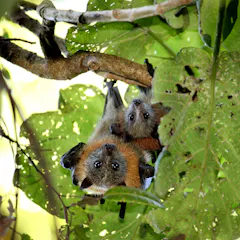
Bats host many viruses dangerous to humans. But it’s only when their habitats are destroyed that we’re at risk.
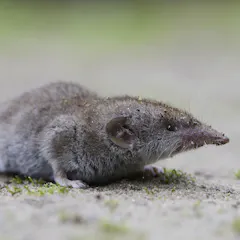
The virus is related to Hendra and Nipah viruses. But we don’t know whether it spreads from human to human.
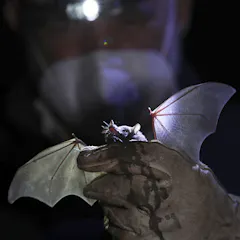
It’s more evidence a lab leak is very unlikely.
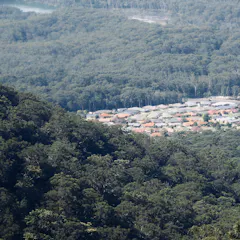
Australia has been identified as a hotspot for emerging diseases, which occurs when human activities collide with a richness of animal species.
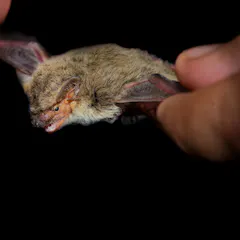
Bats have been the reservoir for recent disease outbreaks, including SARS and the current COVID-19 pandemic. But it’s human activity that allows the virus to cross over.

New research shows that vaccination against the deadly Hendra virus in horses does not reduce their racing performance.
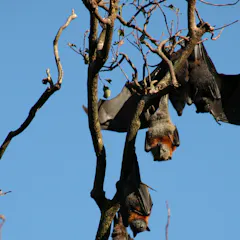
Bats can carry some of the deadliest diseases known to affect humans and yet they don’t seem to get sick. So what can we learn from a bat’s immune system?
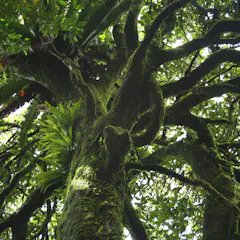
The federal government’s recent White Paper on developing northern Australia has disturbing echoes of the 1890s, a time when unbridled capitalism and indentured labour developed the North.
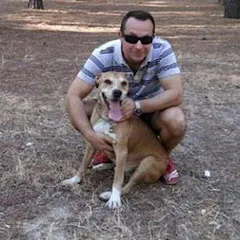
Spanish authorities have euthanised the dog of Madrid nurse Teresa Romero Ramos, who contracted Ebola. The 12-year-old dog, Excalibur, was not showing symptoms and was not tested for Ebola. But he lived…
An ecologist’s work to explain the impact of climate change to as wide an audience as possible has been awarded one of this year’s Eureka Prizes. The annual Australian Museum Eureka Prizes, announced Wednesday…
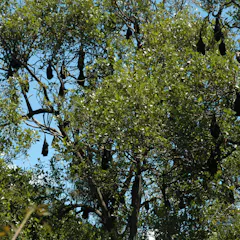
The last 30 years have seen a rise in emerging infectious diseases in humans, of which more than 70% are zoonotic. Zoonoses are diseases that normally exist in animals but have the potential to transmit…
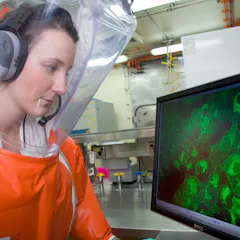
Today we are launching Equivac® HeV, the world’s first commercially available Hendra vaccine for horses. This breakthrough is the culmination of a scientific journey that dates back to the emergence of…
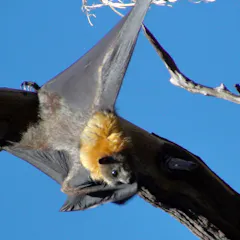
Scientists have identified a new virus in Australian fruit bats. The Cedar virus – named after the suburb in the Gold Coast hinterland where it was first discovered – is part of the henipavirus family…
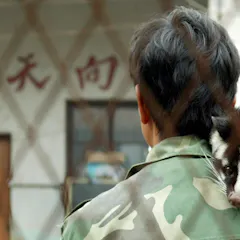
AUSTRALIA IN THE ASIAN CENTURY – A series examining Australia’s role in the rapidly transforming Asian region. Delivered in partnership with the Australian government. Here, Professor Martyn Jeggo looks…
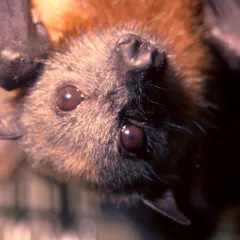
In the Chinese zodiac, 2011 is the year of the rabbit but for those of us working on viruses from wildlife animals, it was much more like the year of the bat. In February, the deadly Nipah virus re-emerged…
Scientists at CSIRO have developed an experimental vaccine to immunise horses against the hendra virus, with field trials…
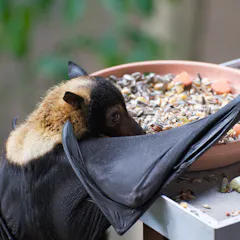
Even Australia’s most iconic, charismatic species are in danger of extinction. Species such as the cassowary, Tasmanian devil and koala all enjoy significant community support and relatively generous funding…
Top contributors
-

Research scientist, CSIRO
-
Senior Veterinary Pathologist, CSIRO
-
Professor of Infectious Diseases, Monash University
-
Virologist, Australian Animal Health Laboratory, CSIRO
-
Office of the Chief Executive Science Leader in Virology, CSIRO
-
Fellow in Veterinary Biostatistics and Epidemiology, University of Sydney
-
Emeritus Professor; Former Biotechnology Program Director, The University of Queensland
-
Research Fellow at the Centre for Infectious Diseases and Microbiology Laboratory Services, University of Sydney
-
Janet Dora Hine Professor, University of Sydney
-
Emeritus Professor, infectious disease ecology, Griffith University
-
Distinguished Research Professor and Australian Laureate, James Cook University
-
Adjunct Associate Professor James Cook University and University Fellow Charles Darwin University, James Cook University
-
Sydney Horizon Fellow, veterinarian and wildlife disease ecologist, University of Sydney
-
Adjunct Senior Lecturer, Centre for Ecosystem Science, UNSW
-
Associate Professor (Teaching), Biology Department, University of Waterloo