
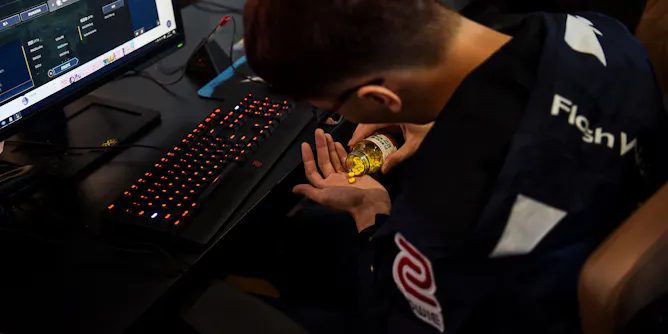
Gamers face eye strain, repetitive-use conditions, back problems and even blood clots. Lessons from music, dance and car racing can help prevent and treat these injuries.
Articles on Hands
Displaying all articles

Your fingers’ lengths are just one feature of many that let your hands grasp, press, pull and otherwise interact with the world.

What muscles feet have, how your brain controls them, and how humans evolved all play a part in why people can’t easily move individual toes.
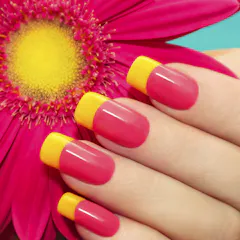
Gels and acrylics might be fashionable but they could also hide the signs of potential existing health issues – and cause a few of their own.
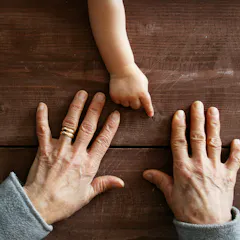
Since the time of Hippocrates, doctors have looked at patients hands for signs of ill health.

Our body can adopt a sixth robotic finger, which we can move independently of the other fingers and with tactile sensations.

Hand gestures are notoriously prone to misinterpretation.
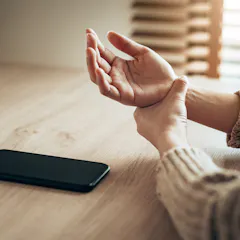
Modern life means if you have wrist or hand pain, it’s difficult to rest and repair the damage. Prevention is key.
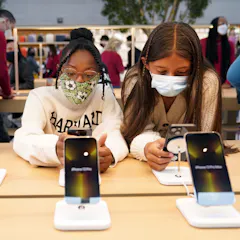
New research shows people experience the ‘endowment effect’ of valuing an object more when they can touch it, even in virtual settings.

Game design engages players through emotional identification and physical participation, and relies heavily on the role of human hands in knowing and navigating the world.
We studied people’s brains while they held tools correctly and incorrectly.

Coroanvirus has ended politics as normal. What will campaigning look like without handshaking, high fives and the kissing of babies?
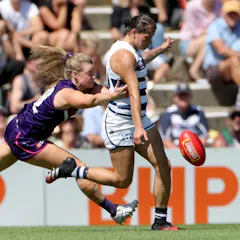
Running, jumping, tackling, not to mention handling the ball, means Aussie Rules players risk injuries to their hands and wrists serious enough to send them to the emergency department.
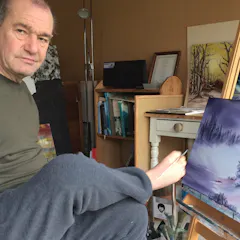
Ultra-clear maps of individual toes were found in the brains of two foot painters – these are not found in typically developed humans.
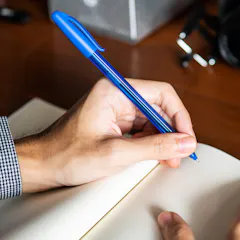
10% of people are left-handed but we still haven’t uncovered how this changes the way their brains work.
Top contributors
-

Assistant Professor of Biological Anthropology, University of Tennessee
-
Professor of Anatomy, Lancaster University
-
Associate Professor of Marketing, University of Iowa
-
Lecturer, Department of Occupational Therapy, Monash University
-
Postdoctoral researcher in Cognitive Neuroscience, Ghent University
-
Chercheur au Laboratoire d'Informatique, de Robotique et de Microelectronique de Montpellier, Université de Montpellier
-
Associate Professor, Occupational Therapy, Monash University
-
Ahmanson-Getty Fellow, University of California, Los Angeles
-
Roger J. Kreuz is a Friend of The Conversation.
Associate Dean and Feinstone Interdisciplinary Research Professor, University of Memphis
-
Instructor, Department of English, University of Winnipeg
-
Lecturer in Psychology, University of East Anglia
-
Lecturer, Curtin University
-
Assistant Professor of Kinesiology and Exercise Science, Temple University
-
Postdoctoral Researcher in Cognitive Neurosciences, The University of Queensland