

Cyberdetectives look for digital doors or windows left unlocked, find electronic footprints in the dirt and examine malicious software for clues about who broke in, what they took and why.
Articles on Hackers
Displaying 101 - 120 of 145 articles
The darknet, like the open internet, is not immune from illegal activity. But many darknet users are there in search of ‘hacker ethics’ values such as privacy and free speech.
As gig work transitions online, knowing how to protect yourself and your devices has never been more important.
People who think like hackers have some really good ideas about how to protect digital privacy during turbulent times. We can learn from them.
The internet’s architecture is under attack again as a huge denial of service attack takes out major sites in US and Europe.
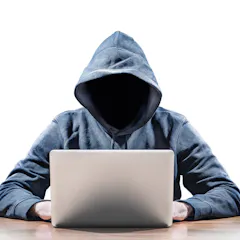
Here are some things Australia should do to protect itself from an increasingly weaponised internet.

LinkedIn, MySpace, Yahoo: Why does it take such a long time for companies to disclose that they have been hacked?
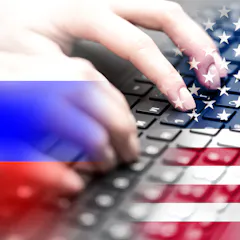
The FBI is warning of Russian cyberattackers probing American election systems. Information warfare scholars discuss Russia’s digital efforts to benefit its national interests.
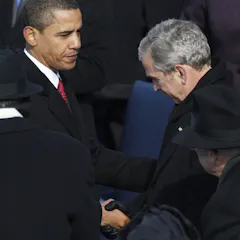
It’s true that sophisticated hackers may be able to tilt the presidential election. But the more likely threat to democracy comes from sore losers who sow doubt about voting integrity.
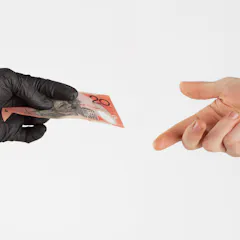
What happens after a data breach? What does an attacker do with the information collected? And who wants it, anyway?
The US and the UK realise the urgent need for serious investment in cybersecurity. So why is the Australian government taking the issue so lightly?
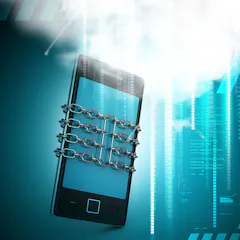
Your mobile number is all a hacker needs to read your texts, listen to your calls and even track your whereabouts.
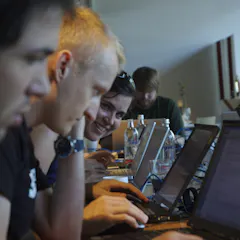
Online activism now means creating alternative ways to work, communicate and protest.
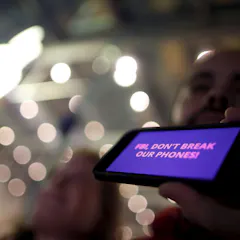
Now that Apple has refused to build a backdoor into its own device, should the FBI turn to ethical hackers to gain access to a terror suspect’s iPhone?
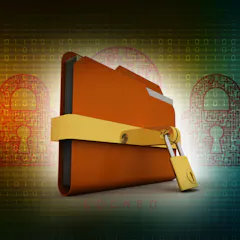
Here’s how to protect yourself from the latest online scourge of hackers encrypting your files and demanding a ransom to unlock them.

2015 was a year where we expanded our view of the universe, embraced new technologies and got a hint of the profound changes to come.
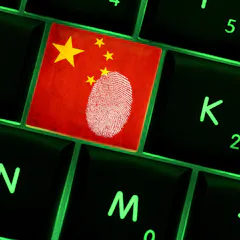
This week’s hack of the Bureau of Meteorology appeared to come from China, but how do we know? The problem is, it’s notoriously difficult to pinpoint the origin of a hack.
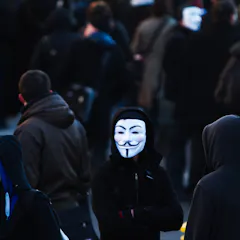
The Anonymous hacktivist group engaged in an online war against Islamic State may be doing more harm than good.
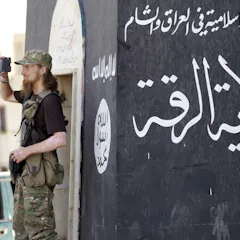
ISIS uses the internet, especially social media, to propagandize and recruit. Members of hacker group Anonymous have turned their sights on these accounts.
UK plc has a cybersecurity mountain to climb.
Top contributors
-

Teaching Professor of Computer Science and Electrical Engineering, and Associate Director, UMBC Cybersecurity Institute, University of Maryland, Baltimore County
-
Adjunct Senior Lecturer, Applied Ethics and CyberSecurity, Griffith University
-
Professor of Cybersecurity, School of Computing and Information Systems, The University of Melbourne
-
Senior Lecturer in Networking, The Open University
-
Director of UWA Centre for Software Practice, The University of Western Australia
-
Associate Professor of Information and Operations Management, Texas A&M University
-
Assistant Professor of Global Security, American University School of International Service
-
Lecturer in Intelligence and Security, Edith Cowan University
-
Professor of Cyber Security Practice, Edith Cowan University
-
Adjunct Lecturer, Charles Sturt University
-
Professor of Criminology, University of Leeds
-
Adjunct Instructor in Cybersecurity, Johns Hopkins University
-
Associate professor, Charles Sturt University
-
Assistant Professor of Sociology, Old Dominion University
-
Professor of Business Law and Ethics, Indiana University