

Many insects in Africa are likely to face dangerous levels of heat stress, with serious consequences for ecosystems.
Articles on Habitats
Displaying 1 - 20 of 28 articles
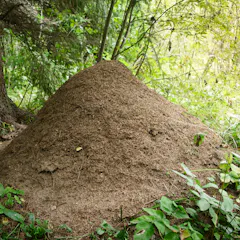
Many animals change landscapes by acting as ‘ecosystem engineers’. Protecting and restoring nature can help us become more climate resilient.

Manatees along Florida’s coast are eating less seagrass and more algae than they did a few decades ago. This dietary shift could pose a new threat to the survival of the beloved species.
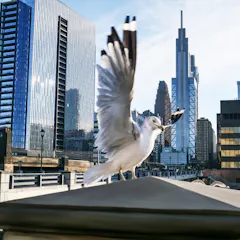
Humans aren’t the only species to consider when constructing new buildings. This course teaches students to take animals into account as well.
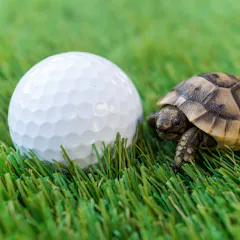
A herd of javelinas wrecked a pristine golf course. Is this rewilding in action?

Britain has lost large areas of semi-natural habitat since the 1930s.

A new study reveals how the geography of global climates influences the rich patterns of species diversity in an ever-changing world.

Beavers are an important ecosystem engineer in the boreal forest and researchers are demystifying their secrets.
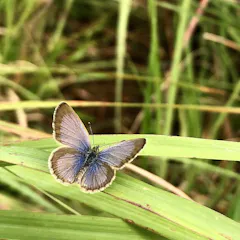
Butterflies are sentinel species – their interactions with landscapes help scientists understand other insects better.
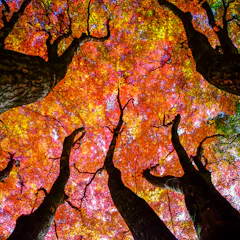
The rapidly changing climate presents many challenges for the sustainability of forest ecosystems. Assisting the migration of trees is a tool to address these challenges.

New research on the Nullarbor Plain reveals the ancient climate change that separated Australia’s east and west ecosystems, shaping today’s biodiversity.
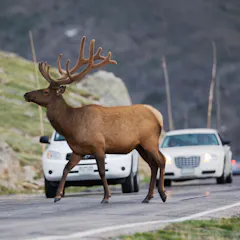
Exactly how animal populations are affected by roadkill has remained unclear – until now.
Environmental groups have criticised the government’s approach to nature – but what is this approach and why is it concerning?
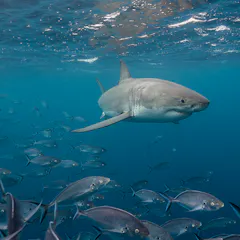
A species that is an “apex” predator in one environment won’t necessarily remain so in another.
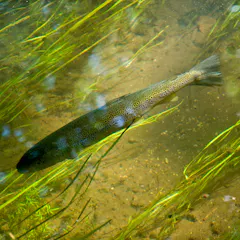
A staggering 85% of the world’s chalk streams are found in England.
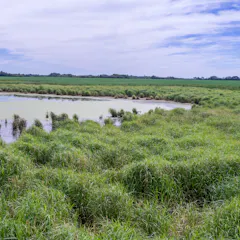
More than 40 per cent of natural wetlands in the Canadian Prairies have been lost due to drainage, and the impacts associated with this are largely unmitigated.
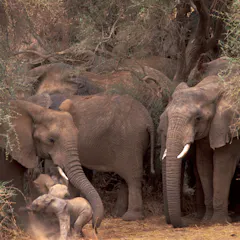
Elephants avoided areas where others were poached.
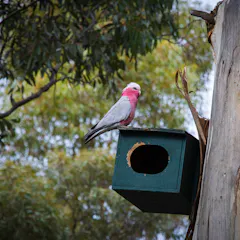
New research reviewed more than 200 studies, and found the science underpinning artificial refuges — think nest boxes and artificial burrows — must be improved.

Generic urban landscape design is damaging for people and nature: an ecomimicry approach instead encourages nature to flourish even in cities.
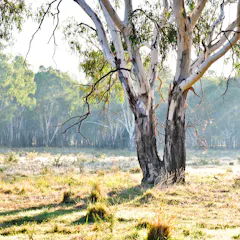
Enabling wildlife to journey across farmlands not only benefits conservation, but also people. It means bees can improve crop pollination, and seed-dispersing birds can help restore ecosystems.
Top contributors
-

Assistant Professor, Northumbria University, Newcastle
-
PhD Candidate in Environmental Biosciences, University of Southampton
-
Professor & Director, QUT Centre for Environment and Society, Queensland University of Technology
-
PhD Candidate, Deakin University
-
Associate Professor, Ecology, Northumbria University, Newcastle
-
Senior Researcher at Swiss Federal Institute for Forest, Snow and Landscape Research and Adjunct Associate Professor of Ecology and Evolution, Stony Brook University (The State University of New York)
-
Professor of Environment & Society, University of Cumbria
-
Chercheuse scientifique et professeure associée, Université du Québec à Chicoutimi (UQAC)
-
Professeur d'écologie forestière, Université du Québec en Abitibi-Témiscamingue (UQAT)
-
Associate Professor in Computational Ecology, Swansea University
-
Senior Lecturer in Geography, University of Leeds
-
Senior Lecturer in Landscape Ecology, Swedish University of Agricultural Sciences
-
Professor in Ecology, Charles Sturt University
-
Senior Lecturer in Southern Ocean Vertebrate Ecology, Institute for Marine and Antarctic Studies, University of Tasmania
-
Lecturer in Human Geography, Bangor University