
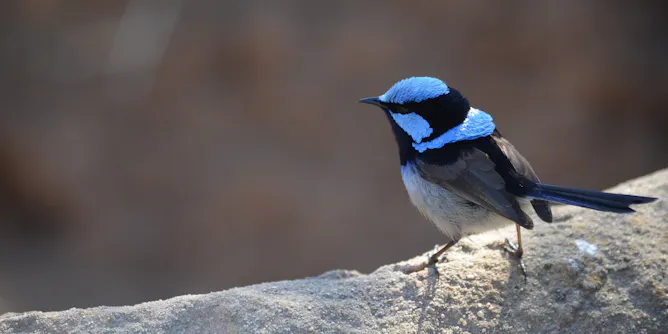
Our cities are full of obstacles and hazards for native wildlife but also contain many valuable patches of habitat. Creating green spaces to connect these patches improves their lives and ours.
Articles on Habitat fragmentation
Displaying all articles
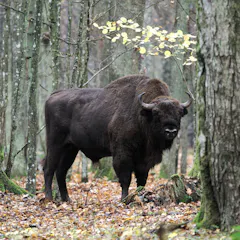
A barrier built to stop human migrants will instead cut off animals and scientific cooperation.
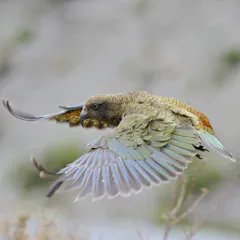
Climate change has long been dismissed as a significant stress to New Zealand’s native wildlife, but research shows it exacerbates existing threats such as introduced predators and habitat loss.
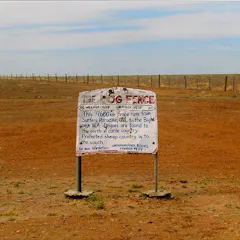
Millions of miles of fences crisscross the Earth’s surface. They divide ecosystems and affect wild species in ways that often are harmful, but are virtually unstudied.
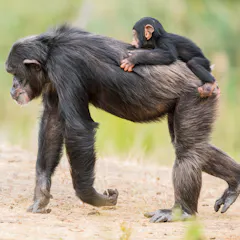
To understand the barriers endangered species face when trying to traverse their habitat, it helps to think of their environment like an electrical circuit board.
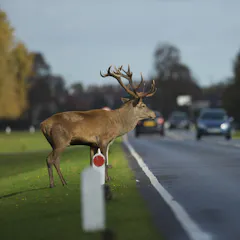
Roads and traffic are causing massive mortality of wild animals worldwide and the road network is rapidly expanding. Can the wildlife death toll be stopped?
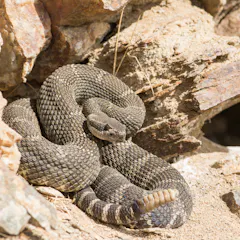
At current rates, the rattlesnake population in British Columbia could be severely depleted by 2060.
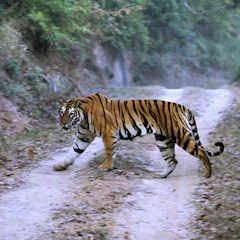
A new study forecasts that thousands of miles of new road construction will cut through tiger habitat across Asia by 2050. Planning can make these projects more tiger-friendly.
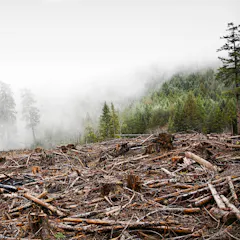
Doug Ford’s government is undercutting the environment by giving business and development the upper hand.
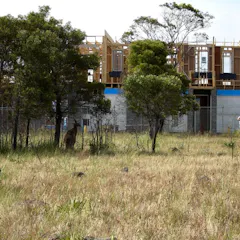
Expanding cities and farmland have created many small, often isolated patches of vegetation. Long seen as having limited ecological value, a new study shows these are vital for endangered species.
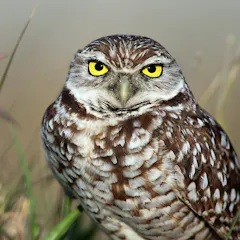
Carving up ecosystems or opening them to development puts the survival of species at risk.

Ever feel so stressed you can’t carry on? You’re not alone - koalas have a similar problem, and hundreds are being rescued by veterinarians each year.
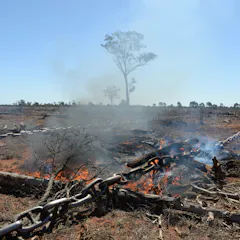
The outgoing Threatened Species Commissioner has downplayed the importance of land clearing as a threat to Australia’s plants and animals. But it’s the biggest threat, and magnifies the others too.
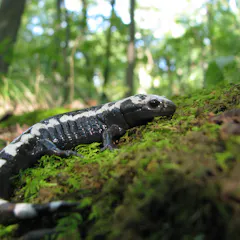
Animals and plants will need escape hatches to move to cooler climes as the planet warms, but few parts of the U.S. have the natural habitat available for these migrations.
Top contributors
-

Professor, Urban Ecology and Biodiversity, The University of Melbourne; RMIT University
-
Professor in Conservation Science, School of Ecosystem and Forest Science, The University of Melbourne
-
Associate professor, Department of Geography and Planning, University of Toronto
-
Assistant Professor, Georgia Institute of Technology
-
Associate Professor (Adj) He/Him, Southern Cross University
-
PhD student, Faculty of Environmental Studies, York University, Canada
-
Adjunct, Mammal Research Institute Polish Academy of Sciences, University of Warsaw
-
Professor of Biology and Director of Białowieża Geobotanical Station, University of Warsaw
-
Asso. Professor in Anthropology, University College London, UCL
-
MSc. Student, Environmental Science, Thompson Rivers University
-
Senior Research Fellow, The University of Melbourne
-
Professor of Freshwater Ecology, University of Canterbury
-
Associate Professor, Geography, Planning and Environment, Concordia University
-
Lecturer in Wildlife Conservation
-
Vice-Chancellor's Research Fellow, Centre for Urban Research, RMIT University