

Here’s a TikTok trend actually worth adopting: go for a walk after dinner, and let out your gas. You might be surprised how much good it’s doing you.
Articles on Gut health
Displaying 21 - 40 of 65 articles

Your upper intestine is host to a distinct population of microbes that play a role in digestion, metabolism and immunity.

The new generation of artificial sweeteners was meant to be less harmful than the previous generation. A new study suggests they might be just as harmful.
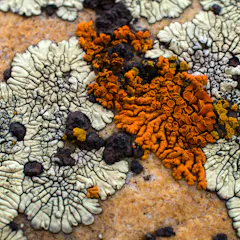
Symbiosis is so much part of life on Earth that it has shaped the evolution and structure of cells. It’s happening almost everywhere we look, including inside our gut.
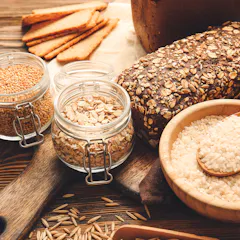
C butyricum promotes a robust immune system and restores out gut microflora.
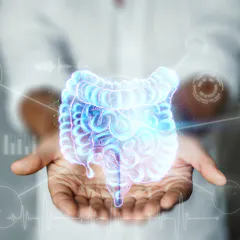
The gut microbiome and immune system work closely together. However, as people age, the composition and balance of microorganisms in the gut changes, with fewer beneficial bacteria.

Sauerkraut, pickles and craft beer wouldn’t exist without this microorganism.
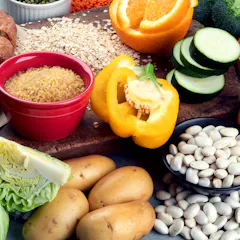
Fibre isn’t just associated with colon health; it’s associated with overall health and brain health through the gut-brain axis. But not all fibres are created equal.
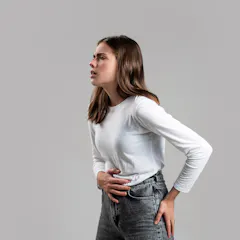
Some people with microscopic colitis avoid going outdoors.

Oral hygiene is often neglected but research has shown that abnormal bacterial communities in the mouth can cause serious disease.
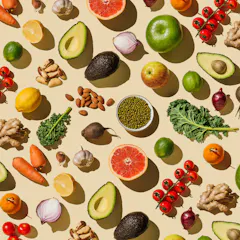
Many processed foods strip carbs of their natural fibers. Eating foods with an ideal total carbohydrate-to-fiber ratio can help with weight management and improve overall health.

Research suggests there could be a link between hay fever and the microbiome. Exploring this connection paves the way for potential treatments.

No, you’re not imagining it. Some people really do experience bloating or gut upset when they eat a lot of salad.

Your body produces postbiotics after digesting prebiotic and probiotic foods – and many postbiotics are crucial to good gut health.

Two Australians with bipolar have been successfully treated with poo transplants, allowing them to come off, or reduce, their medications. Here’s where the science is up to.
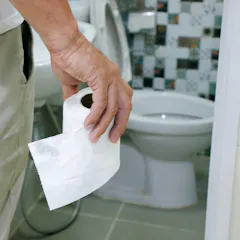
Poop comes in many shapes, sizes and textures. The kind that’s too runny might be the result of wayward germs, Crohn’s disease or lactose intolerance.

Many school lunchbox products are now heavily marketed as promoting gut health. The limited regulation of such claims leaves it to parents and carers to assess whether they really stack up.

New research dispels the myth that gut bacteria causes autism. Rather, changes in the gut bacteria of some people with autism are driven by restricted diets or ‘picky eating’.

Rather than focusing on single foods for ‘gut health’, we’re better off having a balanced diet and a healthy lifestyle.

If you believe the memes, men spend ages in the toilet. But they’re not always pooing. Here’s what they’re really doing.
Top contributors
-

Associate Professor and Clinical Academic Gastroenterologist, Western Sydney University
-
Professor of Genetic Epidemiology, King's College London
-
Senior Researcher and Lead Bioinformatician, The Oxford Centre for Microbiome Studies, University of Oxford
-
MSc Medical Studies Candidate, Northern Ontario School of Medicine
-
Senior Lecturer in Psychology, The University of Melbourne
-
Associate Professor of Gastroenterology, School of Medicine, University of Washington
-
Associate Professor (Teaching), Biology Department, University of Waterloo
-
Senior Lecturer in Gastro-Intestinal Health, Lancaster University
-
Professor of Public Health Nutrition, Edith Cowan University
-
Professor; Director, Microbiome Research, South Australian Health & Medical Research Institute
-
Professor of Pharmacology, UNSW
-
Lecturer in Microbiology, University of KwaZulu-Natal
-
PhD candidate, UNSW
-
Professor in Health Psychology, Deakin University
-
Research Fellow, King's College London