
Though the Global South tends to experience higher disease burdens, most public health decisions and knowledge generation are centered in the Global North.
Articles on Global health
Displaying 61 - 80 of 181 articles
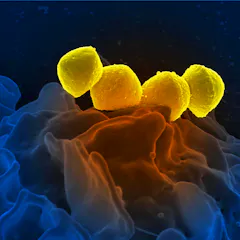
An increase in serious illnesses caused by group A Streptococcus has recently made Strep A a growing concern in Canada and elsewhere. Here’s why and how it’s spreading, and what symptoms to look for.

Hospitals have been destroyed, and doctors and health care staff killed. Gaza’s health services may take years to recover, warns a Palestinian health specialist.
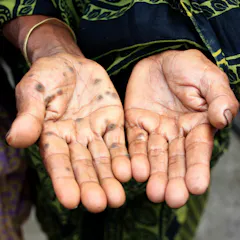
Millions of people worldwide are exposed via soil and water to arsenic, whether naturally occurring or related to pollution. Chronic exposure is linked to the formation of cancer stem cells.
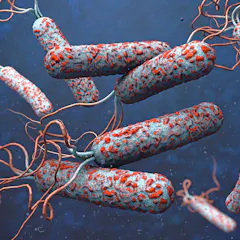
According to the WHO, the global cholera situation has deteriorated.

The HealthcareLCA database is an interactive tool for exploring health care’s significant environmental impact. It can inform changes in health policy and practice, and identify areas for research.

Following the controversial births of the first gene-edited babies, a major focus of the Third International Summit on Human Genome Editing was responsible use of CRISPR.

Dangerous fungal infections are on the rise globally. But we have few drugs that work and no prospect of anti-fungal vaccines any time soon.

The US PEPFAR initiative has brought HIV medication to millions of people globally. Behind this progress are the activists that pressured politicians and companies to put patients over patents.

Through the choice of images in publications, women and children of colour in low and middle income countries were treated with less dignity and respect than those in high income countries.

The Medicines Patent Pool was created to promote public health, facilitating generic licensing for patented drugs that treat diseases predominantly affecting low- and middle-income countries.
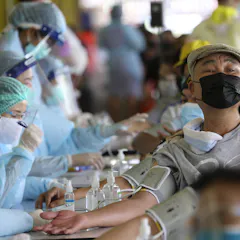
Time is running out to expand an agreement to relax patent rules on COVID vaccines. Members of the World Trade Organization should broaden its scope to treatments and tests.

While gender-affirming health care is essential to the well-being of trans people, access to quality services varies significantly by geographic region and social context.
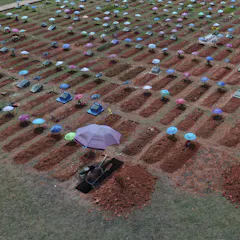
We found most governments were ill-prepared, too slow to act, paid too little attention to the most vulnerable, and were hampered by low public trust and an epidemic of misinformation.
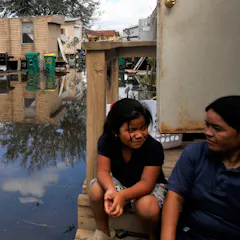
It’s not just mosquitos. Flooding, extreme heat and other climate-related hazards are bringing people into contact with pathogens more often, and affecting people’s ability to fight off disease.
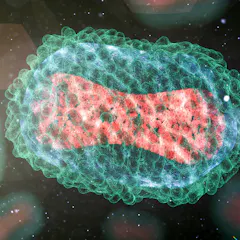
By late July 2022, monkeypox was present in more than 70 countries with significant spread in certain communities. As a result, the World Health Organization began taking steps to fight the virus.

An expert explains how reproductive rights are changing globally.

Twenty-six fast-growing African cities may battle health challenges if air pollution is not addressed.
Some countries report higher rates of COVID-19 cases and deaths among men. This might be due to underreporting among women with limited health access.

Latest numbers show antimicrobial resistant infections contributed to 4.95 millions deaths globally in 2019.
Top contributors
-

Associate Principal Research Fellow, Burnet Institute
-
Professor of Philosophy, Binghamton University, State University of New York
-
Professor of Health Studies, University of Richmond
-
Associate Professor and Chief Health Officer - COVID and Health Emergencies, Burnet Institute
-
Canada Research Chair of Epidemiology & Global Health, McGill University
-
Professor of Public Health, The University of Melbourne
-
Associate Professor, Melbourne School of Population and Global Health, The University of Melbourne
-
Visiting Fellow at Nossal Institute for Global Health, The University of Melbourne
-
Professor of Global Biosecurity, NHMRC L3 Research Fellow, Head, Biosecurity Program, Kirby Institute, UNSW
-
Assistant Professor of Resource Economics, UMass Amherst
-
Assistant Professor of Law, L’Université d’Ottawa/University of Ottawa
-
Adjunct Associate Professor of Epidemiology, Columbia University
-
Bachelor of Medical Science (Hons) student; global health researcher, Murdoch Children's Research Institute
-
Researcher, Center for Social Science and Global Health, University of Amsterdam
-
Professor of Population and Family Health, Brac University